






Now Reading: How Scammers Use Emotional Blackmail to Hack Accounts
-
01
How Scammers Use Emotional Blackmail to Hack Accounts
How Scammers Use Emotional Blackmail to Hack Accounts
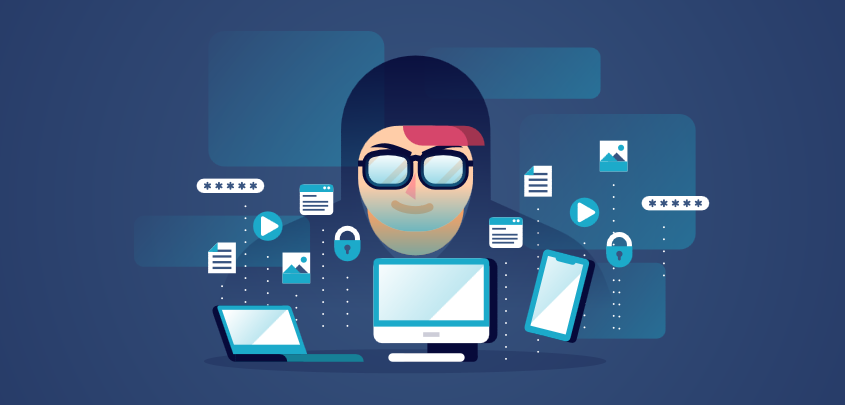
Online scams are no longer just about technical tricks or phishing links. Increasingly, scammers are using emotional blackmail to manipulate people into giving away access to their accounts. They play on fear, trust, and urgency—three emotions that can cloud judgment even among cautious users. Across India, especially in Tier 2 cities where digital awareness is still developing, this psychological form of hacking has quietly become one of the most effective tools for cybercriminals.
The method is simple but powerful. Scammers pose as friends, relatives, or authority figures and send urgent messages claiming they’re in trouble or need help. Sometimes they pretend to be a bank executive or government officer threatening account suspension. The goal is to create panic so the victim reacts quickly—clicking a malicious link, sharing an OTP, or revealing sensitive details. By the time the person realizes what’s happening, their account or wallet is already compromised.
Social media has made this trick even easier. Hackers often start by hijacking one person’s account, then use it to message their friends. Since the messages come from a familiar profile, the next victim is more likely to believe the story. Many cases begin with a simple “I need help urgently” or “please send me money, I’ll return it soon.” These emotionally charged requests push people to act without verification.
Romance scams are another growing area. Fraudsters build trust over weeks or months, pretending to form a personal connection. Once the bond feels genuine, they invent a crisis—a medical emergency, legal trouble, or family issue—and ask for money or sensitive details. Victims often feel emotionally trapped, fearing they’ll lose the relationship if they refuse. This manipulation of emotions turns cyber fraud into something deeply personal.
For users in smaller cities, where online interactions are often built on community trust, emotional scams can feel especially convincing. People are less suspicious of familiar names or polite requests. But awareness is key. Always double-check before responding to urgent messages, even from known contacts. Verify by calling directly or meeting in person. Never share OTPs, passwords, or financial details through chat or email, no matter who asks.
Cyber experts advise that the best defense against emotional blackmail scams is staying calm. Hackers rely on instant reactions, not rational thinking. Take a moment to think before you click or reply. Technology can protect only so much—what really keeps accounts safe is awareness and a cool head.
In today’s digital world, emotions have become a hacker’s favorite weapon. The more we understand how they use fear, trust, and empathy against us, the better we can protect ourselves. Staying alert, not emotional, is the strongest password anyone can have.