








Now Reading: The Hidden Fraud in Subscription-Based Apps
-
01
The Hidden Fraud in Subscription-Based Apps
The Hidden Fraud in Subscription-Based Apps
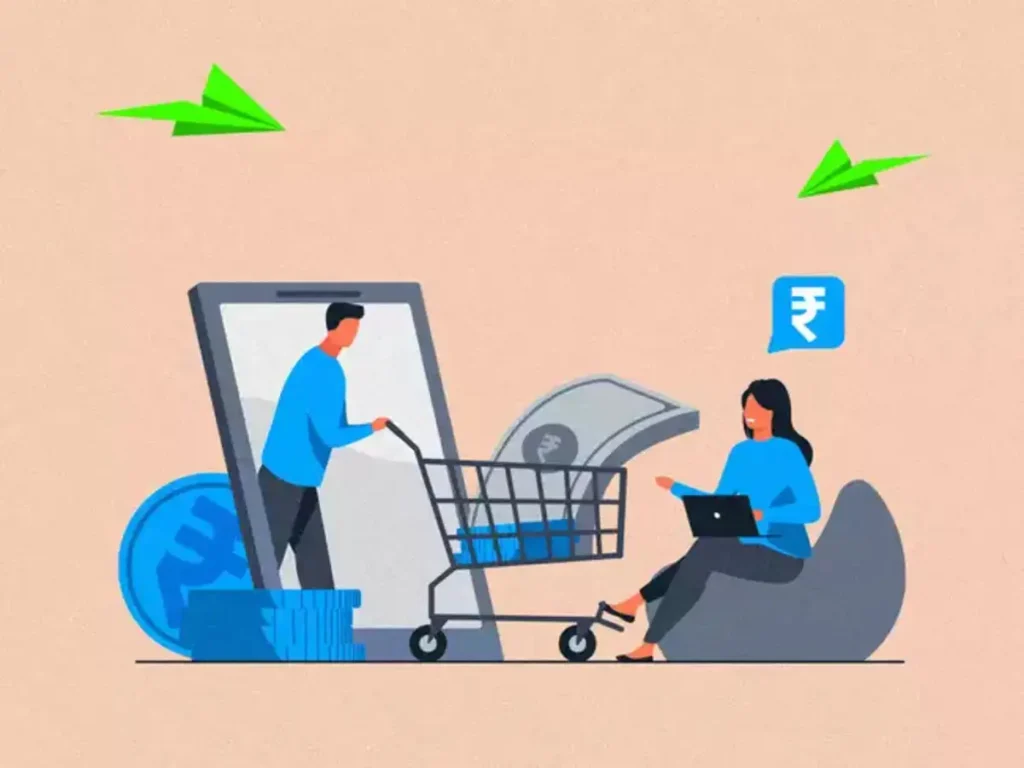
What looks like a harmless ₹99 subscription can sometimes turn into a silent money drain. Across India, especially in smaller cities where digital payments are still gaining trust, subscription-based app frauds are becoming a serious issue. Many users sign up for apps promising entertainment, fitness plans, or premium content — only to realize later that their money is being deducted month after month without consent or awareness.
The trick lies in the fine print. Many apps offer “free trials” that automatically convert into paid subscriptions once the trial ends. Users often miss these terms during sign-up, especially when the app layout is designed to hide cancellation options. Some fake apps go a step further by storing card or UPI details and continuing deductions even after uninstallation.
Another growing concern is fake clone apps that mimic popular platforms like OTT or learning apps. They lure users with flashy ads and discounts but exist only to collect payment information. Once users enter their details, the fraudsters behind these apps gain access to bank accounts or digital wallets, leading to unauthorized withdrawals.
The problem deepens in Tier 2 cities, where many new digital users still rely on trust rather than verification. They tend to skip reading terms or privacy policies, making them easy prey for such scams. Even genuine subscription apps can exploit this gap by setting auto-renewals as default, leaving users unaware until they check their bank statements.
To avoid falling into this trap, users should always disable auto-renewal immediately after subscribing, avoid sharing payment details with unverified apps, and track every transaction. Small deductions often go unnoticed but can add up over time.
In a world where every service wants you to “subscribe now,” the real skill is knowing what you’ve signed up for — and what’s quietly signing money out of your account.