



Now Reading: Delhi Records Its Second Most Polluted October in Five Years: What’s Fueling the Capital’s Dirty Air
-
01
Delhi Records Its Second Most Polluted October in Five Years: What’s Fueling the Capital’s Dirty Air
Delhi Records Its Second Most Polluted October in Five Years: What’s Fueling the Capital’s Dirty Air
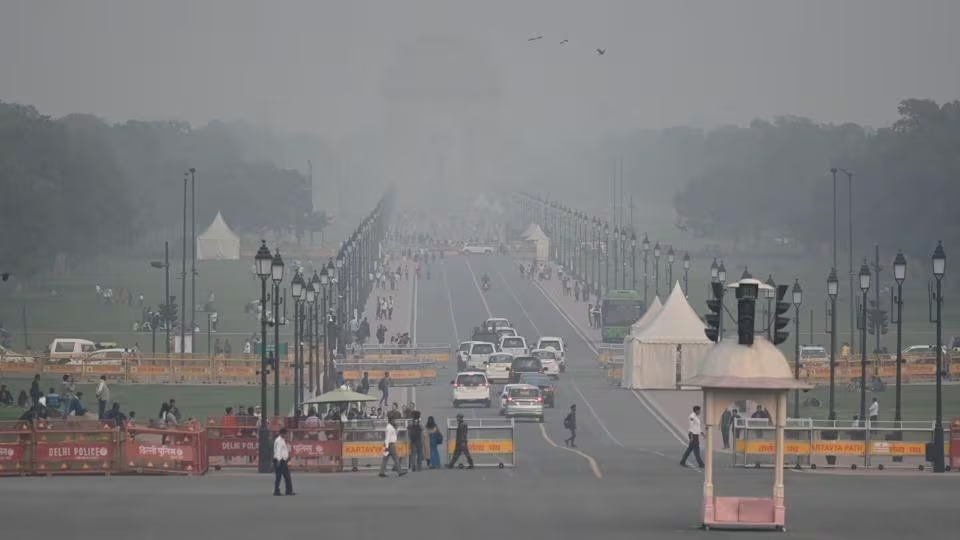
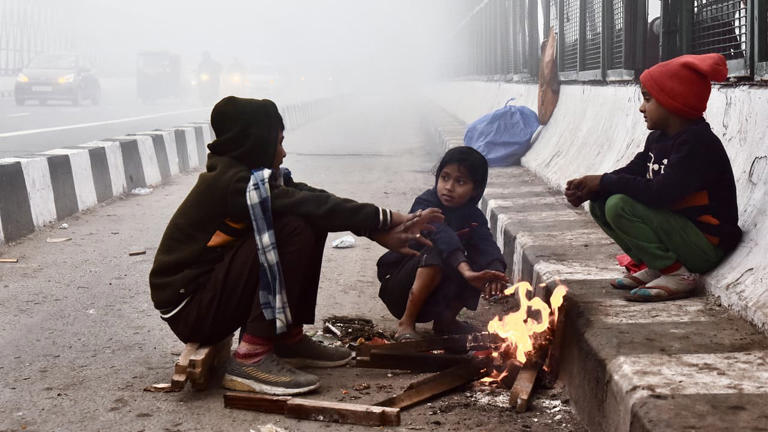
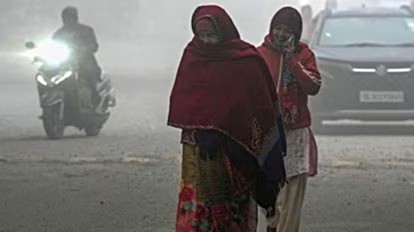
Delhi’s air quality in October 2025 hit worrying levels again, making it the city’s second most polluted October in the past five years. Despite awareness drives and strict pollution controls, smog returned earlier than expected, leaving citizens gasping and raising fresh questions about what’s really working in India’s pollution management system.
Early onset of smog season
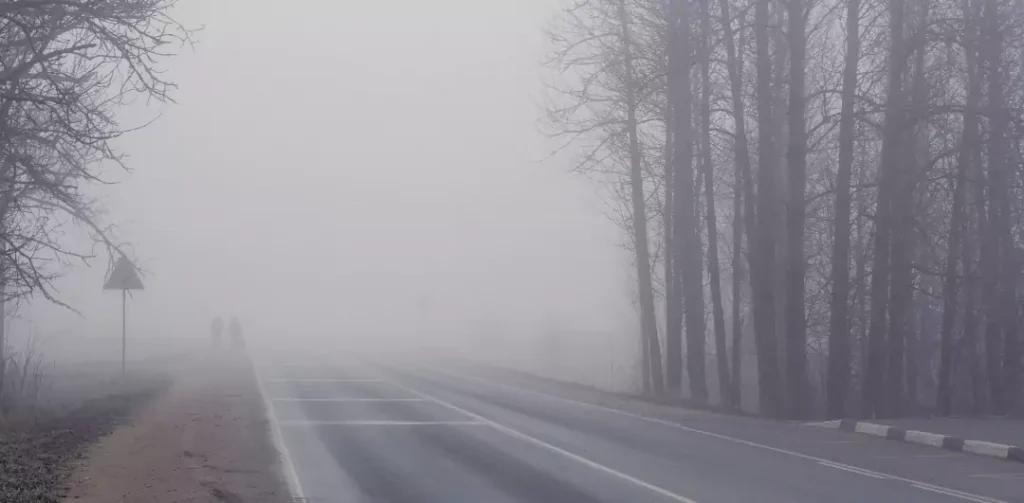
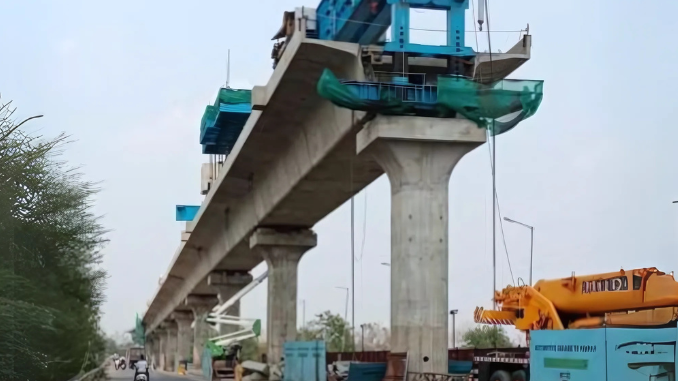
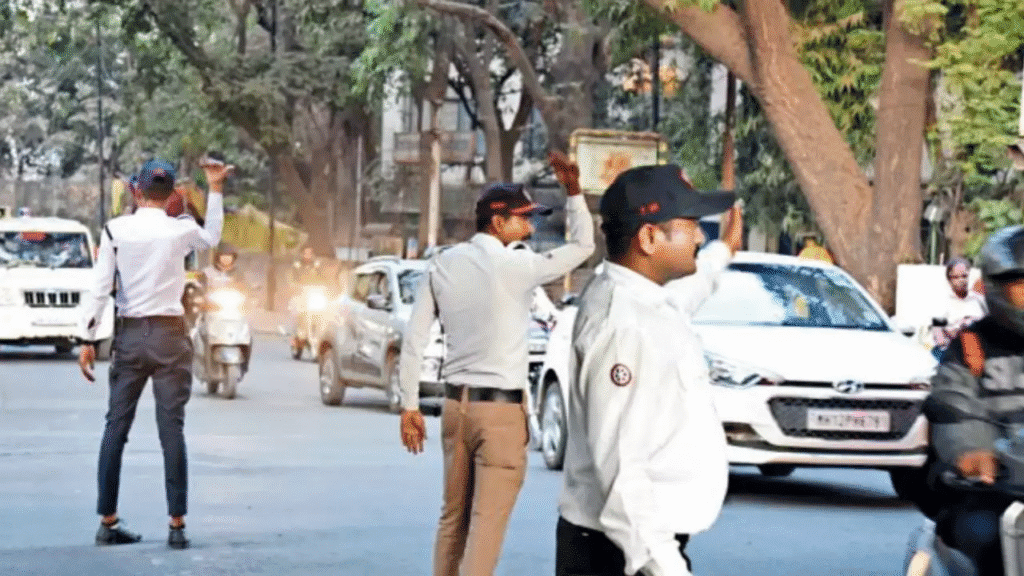
The smog, which typically thickens by November, appeared in mid-October this year. Experts attribute this to a mix of factors—low wind speed, crop burning in neighboring states, construction dust, and vehicle emissions. The combination trapped pollutants close to the ground, turning the city’s sky from blue to brown long before winter even began.
The numbers behind the concern
According to data from Delhi’s air monitoring systems, the average AQI for October hovered between 210 and 250, placing it in the ‘poor’ category for most days. The figures are slightly better than the worst years on record but still far higher than safe levels. Several areas, including Anand Vihar, Rohini, and Dwarka, consistently recorded AQI levels crossing 300, which is considered ‘very poor’.
Why Tier-2 cities should care
While Delhi draws most headlines, the ripple effect is already being felt across Tier-2 cities like Gurugram, Noida, Faridabad, and Ghaziabad. The same pollution sources—burning waste, unchecked traffic, and industrial dust—are gradually turning smaller cities into emerging pollution hotspots. For residents of these areas, this trend is a warning sign that clean air is no longer a guarantee, even outside metro limits.
Government response and citizen role
Authorities have implemented measures such as construction bans, restrictions on older diesel vehicles, and the Graded Response Action Plan (GRAP). But without consistent enforcement and citizen participation, these rules often lose impact. Environmentalists stress that residents too can play a part—reducing personal vehicle use, avoiding waste burning, and supporting green cover initiatives.
A season that repeats itself
Every year, post-monsoon Delhi witnesses this toxic déjà vu. The question is no longer about whether pollution will return—it’s about how long the city can continue this cycle of short-term control measures without structural change. Urban planning, public transport upgrades, and cleaner industrial practices are essential if the capital wants to breathe easier.
Conclusion:
Delhi’s polluted October is not just a headline—it’s a mirror reflecting the broader air crisis in urban India. As the season of smog settles in, the capital and its neighboring cities are once again reminded that clean air remains one of the nation’s toughest, yet most urgent, challenges.