





Now Reading: Public Spaces Belong to Everyone, Says Madras High Court
-
01
Public Spaces Belong to Everyone, Says Madras High Court
Public Spaces Belong to Everyone, Says Madras High Court
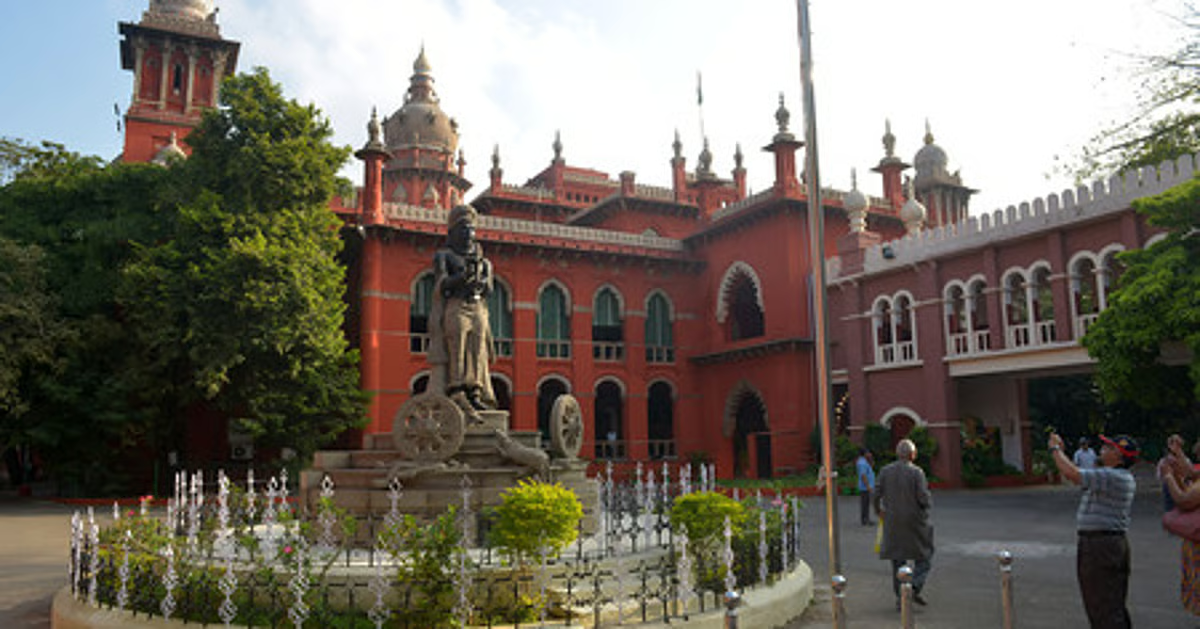
The Madras High Court has made a significant observation, stating that public grounds owned by the state are meant for everyone and cannot be used exclusively by any individual or group. The ruling came after a dispute involving the use of a government-owned open space, highlighting the importance of equal access to public areas in a democratic setup.
Court’s Stand on Public Property
The bench clarified that public spaces are meant for common use and should not be monopolized by private interests or community groups. It emphasized that the state holds such lands in trust for the people, ensuring equal and fair access to all citizens regardless of social, political, or religious background. The court warned against any misuse or encroachment that denies the public their right to shared spaces.
Background of the Case
The issue arose when certain individuals or groups attempted to claim exclusive rights over a public ground for their own activities. Residents challenged this, arguing that it violated their right to access a space meant for collective use. The court reviewed the matter and ruled that no section of society could claim ownership or control over land designated for public purposes.
Message for Local Authorities
The judgment also serves as a reminder to local bodies and municipal authorities to ensure that public properties remain accessible to all. The court directed that such spaces should not be leased or handed over in a manner that restricts public entry or usage. It further urged government officials to safeguard community areas from illegal occupation or favoritism.
A Broader Social Perspective
The ruling reinforces the idea that open grounds, parks, and community halls play a vital role in maintaining social harmony. In many Tier 2 cities, these spaces are the heart of cultural and recreational life. Ensuring that they remain open to everyone helps promote inclusivity, equality, and a sense of belonging among residents.
Conclusion:
By declaring that public grounds belong to everyone, the Madras High Court has reaffirmed a basic democratic principle — that state property exists for the welfare of all citizens. The judgment not only settles a local dispute but also sends a strong message about protecting community spaces from misuse and ensuring equal access for all.