








Now Reading: Meta’s Big Bet on AI and Why Wall Street Is Wary
-
01
Meta’s Big Bet on AI and Why Wall Street Is Wary
Meta’s Big Bet on AI and Why Wall Street Is Wary
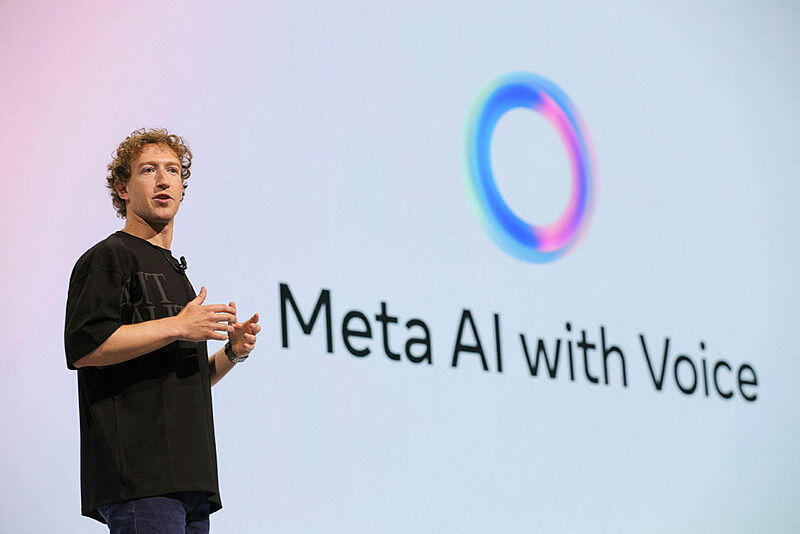
Meta Platforms—the company behind Facebook and Instagram—reported solid revenue growth but still ended up spending more than its earnings this quarter, rattling investors. Their aggressive push into artificial intelligence and massive infrastructure expansion has raised questions about when and how these investments will pay off. For digital-savvy users and investors in India’s smaller cities, this could reflect broader shifts in tech and global finance.
Revenue Growth vs. Rising Costs
Meta achieved a 26 % rise in revenue this quarter, driven by strong ad demand and user growth. Yet its costs went up by 32 %, outpacing the top-line gain. A hefty one-time tax charge of nearly $16 billion pushed net income down, despite adjusted profits being much higher. The gap between income and spending is what’s making analysts uneasy.
High Stakes AI Investments
At the heart of Meta’s strategy is artificial intelligence. The company is ramping up data-centre capacity, hiring thousands of AI experts, and positioning itself for a future it expects to dominate. Meta has forecast significantly higher capital expenditures for next year—signalling that its push into next-gen tech is far from complete. But high spending today means risk, especially if returns are delayed.
Investor Sentiment and Market Signals
Wall Street responded swiftly: Meta’s shares dropped around 8–11 % after the report. Analysts flagged the spending spree as ambitious but premature in terms of visible returns. Investors are asking: when will the massive outlay translate into meaningful profit? The concern: tech spending is one thing, but it must be matched by outcomes.
What This Means for Indian Tech and Tier 2 Cities
For tech-aware users and aspiring start-ups in India’s smaller cities, Meta’s journey offers a cautionary tale. The message? Scaling fast and investing big might be tempting, but sustainability and return on investment matter. Local tech entrepreneurs who watch global giants should ask: is the business model robust, and can the expense-load be managed? For consumers in Tier 2 cities, the ripple of global tech moves can affect ad pricing, data-driven apps and digital business ecosystems.
Conclusion:
Meta’s current chapter is one of bold vision and heavy investment. But the tension between growth ambitions and financial discipline is real. While the company continues to steer toward an AI-powered future, the question remains whether today’s spending will justify tomorrow’s profits. For investors and tech watchers alike—whether in metros or smaller towns—the lesson is clear: big bets require patience, scrutiny and clear signals that value creation is real.