





Now Reading: Bihar’s 2025 Assembly Election Begins: A Snapshot of Phase One
-
01
Bihar’s 2025 Assembly Election Begins: A Snapshot of Phase One
Bihar’s 2025 Assembly Election Begins: A Snapshot of Phase One

The first phase of the Bihar Assembly Election 2025 kicked off with voting in 121 constituencies across 18 districts. Over 3.75 crore voters are eligible in this phase, and polling runs from early morning till evening. For citizens in Tier 2 cities and the wider state, this election marks a key moment in Bihar’s political landscape moving into the post-festival season.
Polling and turnout trends
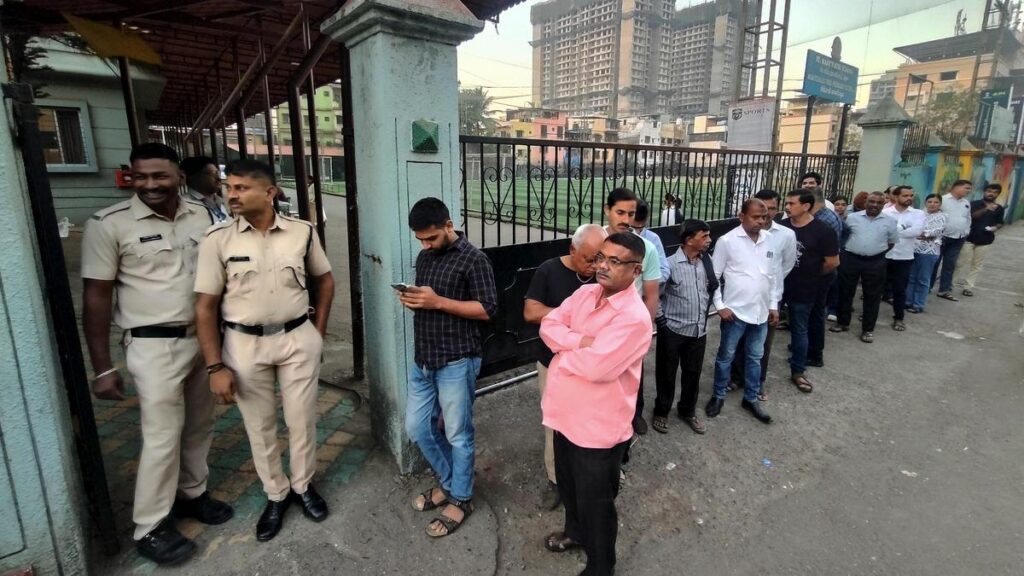
Polling began at 7 a.m. in most booths and is set to continue until late afternoon, though security concerns in some areas have led to earlier closures. By 9 a.m. the turnout stood at around 13 per cent, pointing to a measured start rather than a rush. Such figures in rural and semi-urban districts matter because they reflect how engaged voters outside the state capital are with the electoral process.
High-stakes battles and local context
Some constituencies are under close watch: in Nalanda, for example, the contest involves a sitting minister and a strong challenger, in a region where caste and local dynamics matter significantly. In other districts, candidates picture law-and-order, agriculture and youth employment as key issues. For Tier 2 cities in Bihar, and for similarly located towns elsewhere in India, these contests underline how local development issues continue to shape voter behaviour beyond national narratives.
Major alliances and campaign themes
The main contest is between the National Democratic Alliance (NDA) and the Mahagathbandhan (MGB). Both coalitions have rolled out manifestos and mobilised significant leadership visits. Law-and-order concerns, governance, youth jobs and social welfare dominate their messaging. Meanwhile, voters in smaller towns and hinterland regions are keeping a close eye on how those promises translate into tangible outcomes on the ground.
What Tier 2 cities should watch
For citizens in places like Bhagalpur, Bettiah or Siwan, the Bihar election offers a lens on how state politics intersects with grassroots priorities. Candidates’ outreach, local campaign teams, polling booth arrangements and voter awareness efforts will matter more here than in big metros. The way polling unfolds today could shape turnout patterns, especially in semi-urban or rural pockets where infrastructure and awareness vary widely.
Conclusion
Phase one of Bihar’s Assembly Election 2025 has set the stage for what promises to be a closely watched contest. The early voter response, key constituency battles and pronounced local issues show that this election isn’t just about state-level numbers—it’s about how governance and politics touch daily lives in towns and villages. As results day approaches, progress and patterns in Tier 2 regions will be especially telling about the future of Bihar politics and how voters outside major cities assert their voice.