








Now Reading: Centre Steps In at Panjab University: What It Means for Campus Governance
-
01
Centre Steps In at Panjab University: What It Means for Campus Governance
Centre Steps In at Panjab University: What It Means for Campus Governance
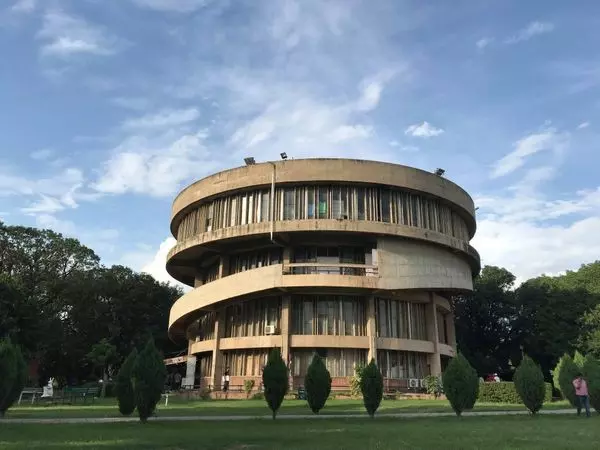
The Center has instructed Panjab University (PU) to withdraw a recently introduced affidavit requirement and indicated plans to issue a fresh notification on the institution’s governance structure. The move follows sustained campus protests and concerns about autonomy, signalling a significant moment for students and stakeholders across Indian universities.
What triggered the intervention
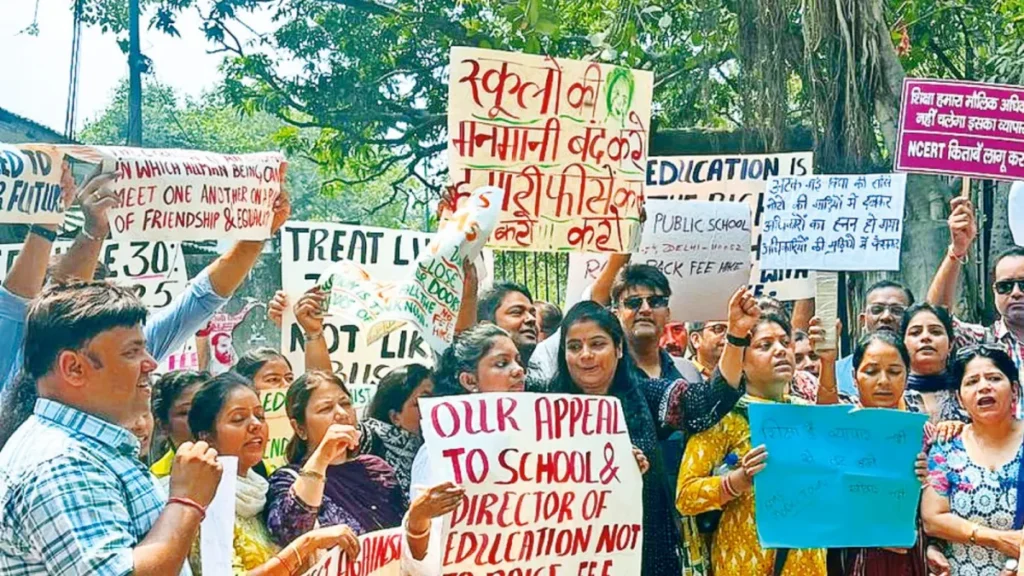
Students at Panjab University objected to an affidavit that required new admissions to declare they would not undertake protests or demonstrations without prior permission. They argued the clause undermined the right to dissent and collective action. The administration faced strong opposition and legal scrutiny.
Simultaneously, a separate notification altered the university’s senate and syndicate structure, reducing elected representation and increasing nominated members—raising questions about institutional autonomy and state-centre balance.
Central response and next steps
Responding to the unrest, the Ministry of Education stepped in and asked the university to withdraw the affidavit. At the same time, the Centre said it would roll out a new governance notification after wider consultations. This pause provides an opening for dialogue between students, university authorities and the government to reset campus structures.
For stakeholders in Tier-2 cities and smaller institutions, this reflects how governance changes at flagship universities can set precedents that ripple across the higher education sector.
Implications for students and campuses beyond metros
While the drama unfolded at a renowned university in Chandigarh, the broader message resonates with students in places like Nagpur, Lucknow or Bhopal. Universities across India are increasingly under scrutiny for how governing bodies are structured, how student voices are included and how institutional autonomy is preserved. The current case serves as a reminder that governance decisions are not separate from campus culture, student rights and academic freedom—even outside major metros.
The withdrawal of the affidavit is a win for collective student action, but the larger issue remains: how campuses balance administrative control, student participation and transparent governance.
Challenges and caution ahead
Despite the interim rollback, several questions remain unanswered. When will the new notification come? Will it restore a meaningful role for student and faculty representation? Will smaller institutions watch and draw lessons, or simply follow without debate? The interplay between state governments, university statutes and central oversight remains complicated—especially for institutions spread across India’s mid-tier cities.
Conclusion
At its heart, the case of Panjab University is about more than a single affidavit or governance shake-up. It touches on how Indian universities evolve in a changing political and educational ecosystem. For students and educators in non-metro areas, the lesson is clear: participation, awareness and institutional dialogue matter. The coming governance notification will mark the next chapter—whether one that deepens campus democracy or subtly shifts power away from grassroots voices remains to be seen.