







Now Reading: The Rise of Micro-Businesses in India’s Small Towns: A Quiet Economic Revolution
-
01
The Rise of Micro-Businesses in India’s Small Towns: A Quiet Economic Revolution
The Rise of Micro-Businesses in India’s Small Towns: A Quiet Economic Revolution

Across India’s small towns, a quiet but powerful shift is underway. From home-based bakeries and tailoring units to digital freelancers and small online sellers, micro-businesses are reshaping local economies. What was once a space dominated by traditional jobs and small retail is now buzzing with entrepreneurial energy, driven by digital access, affordable technology, and changing aspirations.
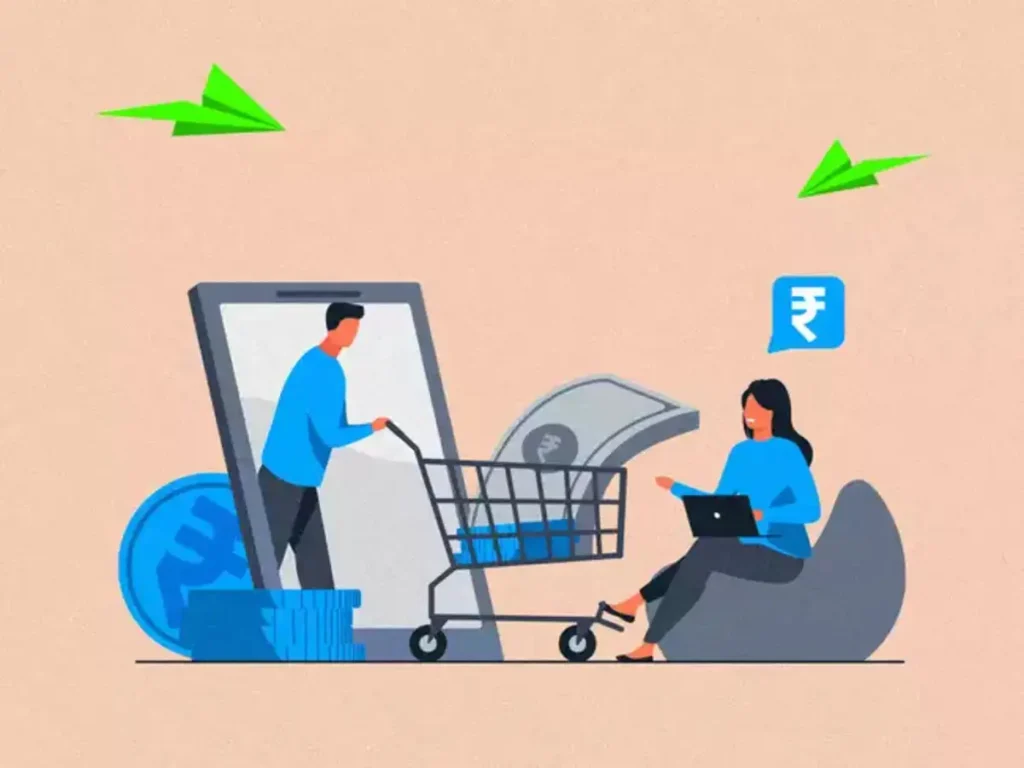
Over the last few years, the growth of digital tools has transformed how small-town India works. Platforms like WhatsApp Business, Instagram, and ONDC have enabled individuals to market products and services beyond their neighborhoods. Affordable smartphones and UPI-based payments have made transactions simpler, even for those with limited business experience. The result is a surge of first-time entrepreneurs who are building businesses from their homes, often with little to no formal setup.
This rise of micro-businesses is not just an economic story—it’s a social one. Many of these ventures are led by women and young professionals seeking independence and flexibility. For instance, homemakers in Tier 2 and Tier 3 cities are launching local food delivery services, handcraft brands, and beauty studios. The younger generation, on the other hand, is exploring digital freelancing, dropshipping, and influencer-based sales. Together, they are redefining what self-employment looks like in modern India.
Economic factors also play a major role. The pandemic disrupted formal employment, pushing people to seek alternative sources of income. As urban migration slowed, smaller towns became fertile ground for local entrepreneurship. Low setup costs, community support, and growing local demand helped these ventures sustain and expand. Local markets, once dependent on big cities for supplies, are now seeing products made and sold locally—a shift that strengthens regional economies.
Government initiatives and fintech innovation have further fueled this trend. Schemes promoting self-reliance, along with easier access to small business loans through digital platforms, are empowering individuals who were previously excluded from formal finance. Micro-entrepreneurs today can access funding, manage payments, and build visibility entirely through mobile apps—something unimaginable a decade ago.
Yet, challenges persist. Many micro-businesses operate informally, without proper registration, limiting their access to credit and scalability. Lack of mentorship, financial literacy, and supply chain support often restricts growth. Moreover, competition on digital platforms can be tough, as small sellers must compete with larger, more established brands.
Even so, the potential is undeniable. Micro-businesses are not just income sources—they’re community builders. They create local jobs, inspire others to start up, and retain talent that might otherwise move to metros. For small towns, this is a silent revolution—one where ambition meets accessibility, and innovation thrives without leaving home.
India’s next wave of economic growth may not come from its corporate boardrooms but from living rooms, backyards, and small workshops scattered across its towns. The rise of micro-businesses signals that India’s entrepreneurial spirit is not confined to its cities—it’s spreading across the heart of the country, one small venture at a time.