








Now Reading: The Psychology of Spending During Sales: Why Discounts Make Us Buy More
-
01
The Psychology of Spending During Sales: Why Discounts Make Us Buy More
The Psychology of Spending During Sales: Why Discounts Make Us Buy More
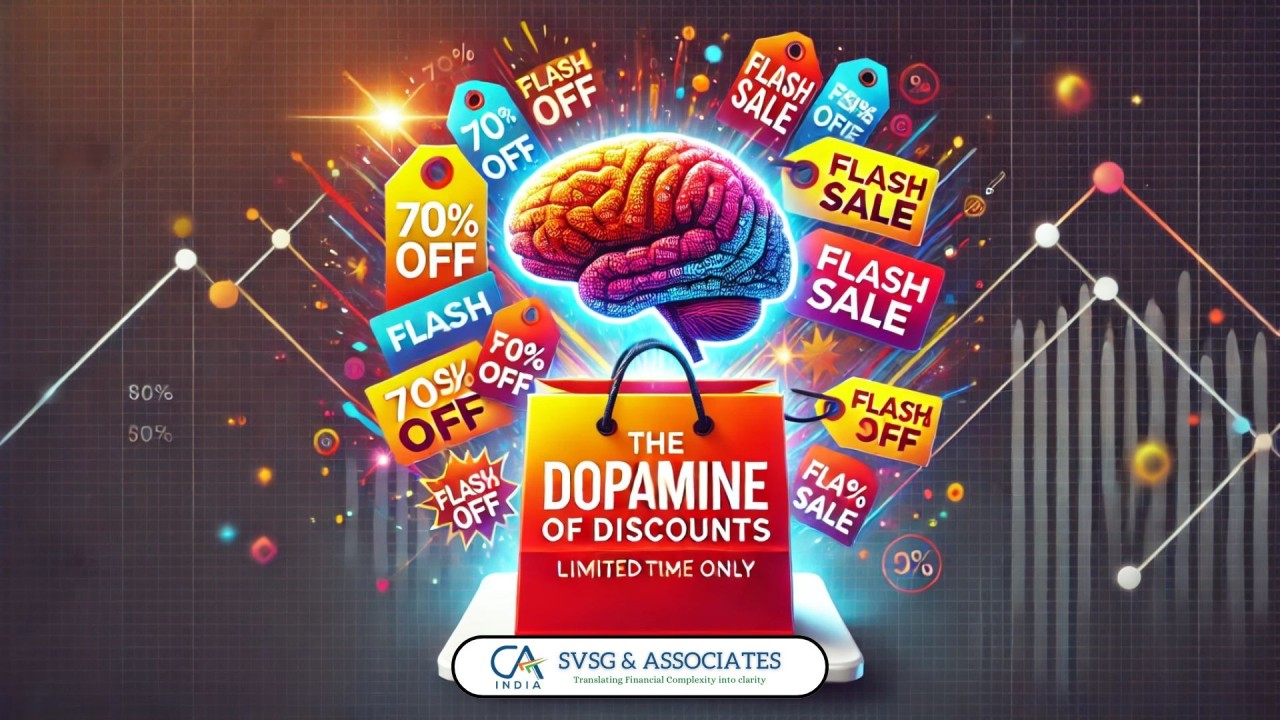
Every time a sale banner flashes across a screen, the human brain reacts before logic does. Whether it’s a festive discount, a flash deal, or an end-of-season clearance, people feel an irresistible urge to spend — even on things they don’t need. This behavior isn’t just about affordability. It’s about psychology. Retailers know how to trigger emotional impulses that make consumers believe they’re saving money, when in reality, they’re often spending more.
The Emotional High of Discounts
Sales work because they create excitement and urgency. The idea of getting something at a reduced price gives a sense of achievement — a feeling of winning. Words like “limited time offer” or “only a few left” stimulate the brain’s fear of missing out. This rush of adrenaline is what keeps people scrolling through shopping apps or standing in long queues during festive seasons, convinced they are making smart choices.
The Illusion of Savings
In many cases, discounts are designed to manipulate perception rather than offer real value. Prices are often inflated before a sale, only to be “reduced” later to their actual worth. Still, seeing the crossed-out higher price next to a lower one convinces the buyer of a great deal. This psychological trick makes consumers feel they’re saving money — even if they end up purchasing more items than intended.
Social Influence and Peer Pressure
Buying during sales isn’t always a personal decision. Social media plays a huge role in shaping purchasing behavior. When people see others flaunting their latest buys or posting about “unbelievable deals,” it reinforces a sense of belonging. For many in Tier 1 and Tier 2 Indian cities, especially young professionals, shopping during sales has become a shared social experience — something to talk about, compare, and celebrate.
The Role of Online Platforms
E-commerce platforms have turned the psychology of spending into a science. From personalized recommendations to countdown timers and “cart reminders,” every detail is engineered to push customers toward purchase. Artificial intelligence tracks user behavior, identifies their interests, and targets them with irresistible offers. The convenience of one-click buying and instant payment options adds to the impulsive nature of modern spending.
Festive Culture and Emotional Connection
In India, shopping has deep emotional and cultural roots. Festivals like Diwali, Eid, or Christmas are associated with buying new clothes, gadgets, or gifts. Retailers leverage this sentiment by timing mega sales around these events. The emotional pull of celebration, combined with discounts, makes it harder for people to differentiate between genuine need and emotional spending.
The Aftermath of Impulse Buying
Once the excitement fades, many people experience buyer’s remorse — the regret that follows impulsive purchases. Credit card bills, EMI commitments, and unused products serve as reminders of emotional decisions. Studies show that frequent exposure to sales can also desensitize people to real value, leading to a habit of buying only when something is discounted, even when unnecessary.
A Smarter Way to Shop
Understanding the psychology behind sales can help consumers make rational decisions. Comparing prices across platforms, setting clear budgets, and asking whether an item is truly needed before purchasing are small but effective steps. Retailers are unlikely to stop using psychological tactics, but consumers can counter them with awareness.
The Bottom Line
Sales aren’t just about discounts — they’re about influence. Every offer, banner, and limited-time deal is part of a larger strategy built on human psychology. Recognizing these patterns helps people regain control over their choices. In the end, the smartest shoppers aren’t the ones who find the biggest deals — they’re the ones who know when not to buy.