



Now Reading: How “Buy Now, Pay Later” Traps Consumers in a Cycle of Hidden Debt
-
01
How “Buy Now, Pay Later” Traps Consumers in a Cycle of Hidden Debt
How “Buy Now, Pay Later” Traps Consumers in a Cycle of Hidden Debt

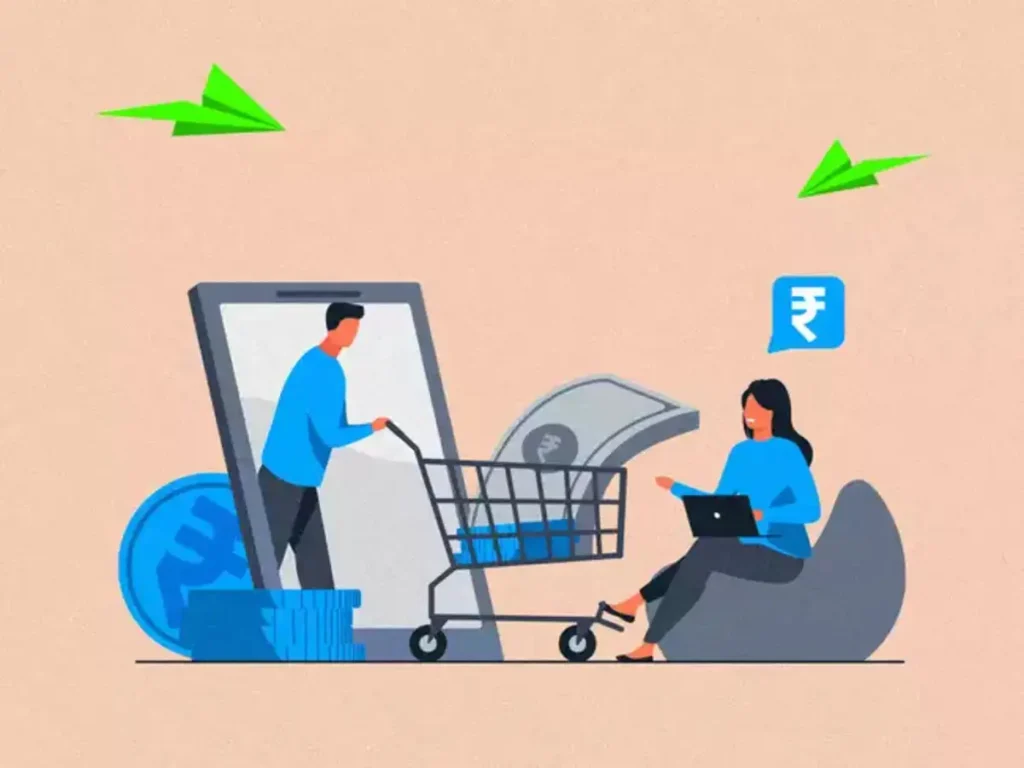
The “Buy Now, Pay Later” (BNPL) trend has exploded across India’s digital payment landscape. It promises convenience — the freedom to purchase instantly and pay in small instalments later. But behind that promise lies a growing financial risk that many young Indians are starting to feel. What began as a flexible payment solution has, for many, turned into an invisible debt trap that quietly strains monthly budgets.
BNPL services, offered by fintech companies and e-commerce platforms, target a generation used to instant gratification. With just a few taps, users can split payments over weeks or months without traditional credit card checks. The appeal is obvious: no paperwork, no immediate cash outflow, and instant approvals. For students, freelancers, and young professionals, BNPL feels like a modern financial tool designed for flexibility.
However, the reality is far more complex. Many users fail to realise that BNPL is a form of credit. Missed payments come with penalties, interest, and late fees that can escalate quickly. Some platforms even share defaulters’ data with credit bureaus, affecting their credit scores — a fact that’s often buried in fine print. What seems like a harmless convenience can silently evolve into long-term financial stress.
In Tier 1 and Tier 2 Indian cities, where digital spending is rising fast, BNPL adoption has been aggressive. From online shopping to food delivery apps and fashion websites, easy checkout options encourage impulse buying. Consumers often purchase items they don’t urgently need, assuming small instalments won’t hurt. But when multiple BNPL payments pile up across platforms, the financial burden can become difficult to manage.
Another concern is the lack of awareness about repayment structures. Unlike banks, many BNPL providers operate with limited regulation. Their repayment terms, penalties, and communication about defaults vary widely. This unregulated environment allows companies to profit from user confusion. In several cases, customers have reported being charged unexpected fees for minor delays.
Experts say the psychological design of BNPL apps plays a big role. The process is made frictionless — no reminders of interest, no immediate deduction from the wallet. It gives a false sense of affordability. In cities like Pune, Jaipur, and Kochi, where young professionals live on tight monthly incomes, these micro-credit systems often lead to overspending.
At the same time, BNPL services argue that they promote financial inclusion by giving credit access to those without credit cards or formal histories. For disciplined users, it can be beneficial when managed carefully. But without strong consumer education and oversight, the risks outweigh the rewards.
The Reserve Bank of India (RBI) has started monitoring digital lending practices to bring transparency and accountability. Yet, regulation alone cannot change spending habits. What’s needed is awareness — understanding that “Buy Now, Pay Later” is not free money but deferred debt.
As India embraces digital finance, the BNPL wave highlights a bigger question: are we becoming too comfortable with borrowed spending? The answer lies in how consumers use — or misuse — the convenience they’ve been handed. For now, one tap at checkout might seem harmless, but for many, it’s the first step into a silent debt spiral that’s easy to enter and hard to escape