






Now Reading: Why Loyalty Programs Are More About Data Collection Than Customer Rewards
-
01
Why Loyalty Programs Are More About Data Collection Than Customer Rewards
Why Loyalty Programs Are More About Data Collection Than Customer Rewards
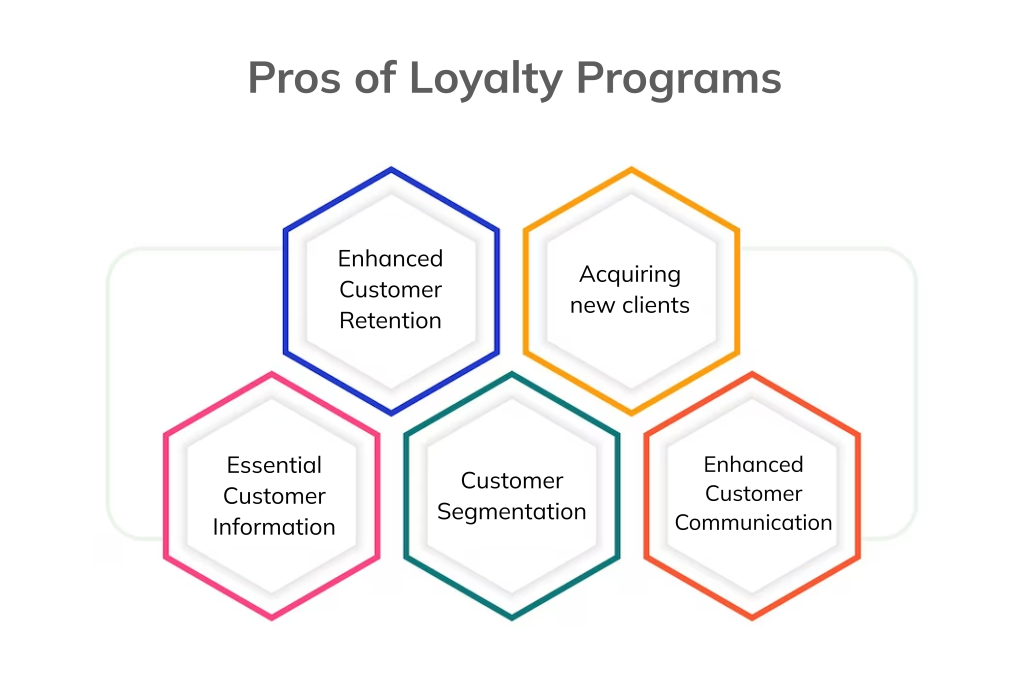
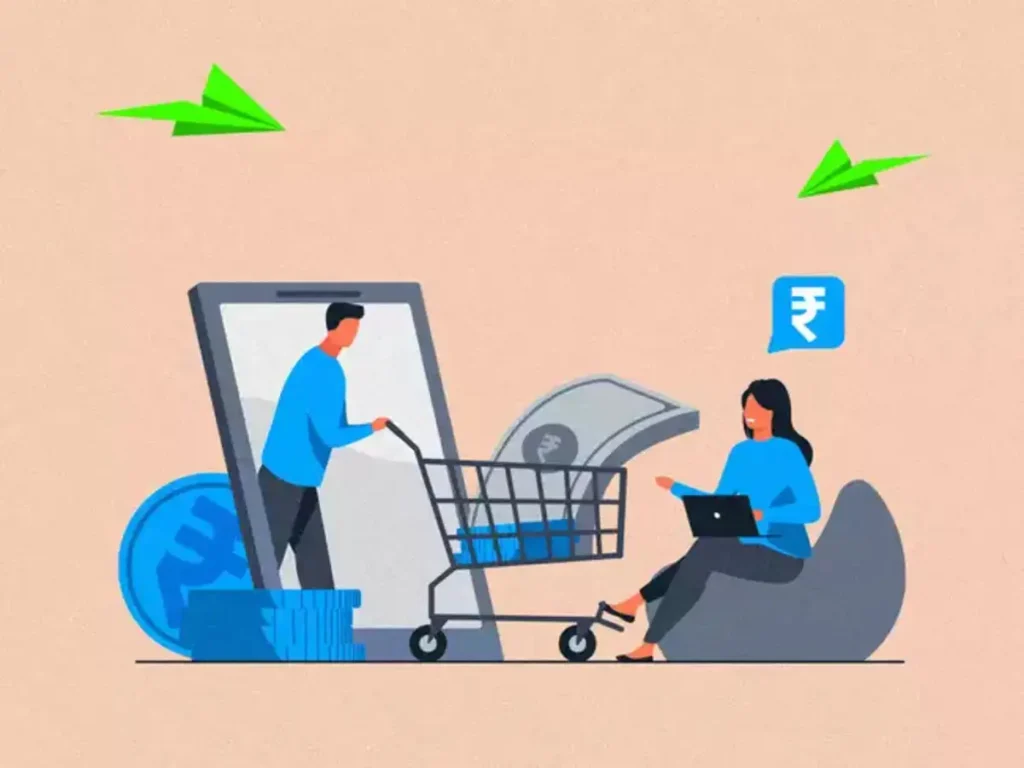
Loyalty programs have become a common feature in Indian retail, e-commerce, and service sectors, promising discounts, points, or exclusive perks to frequent customers. From supermarkets in Tier 1 cities to online shopping apps in Tier 2 towns, consumers are encouraged to sign up and share personal information. While these programs appear designed to reward loyalty, their primary function is increasingly focused on gathering detailed data on consumer behavior.
The appeal of loyalty programs lies in their simplicity and promise of tangible benefits. Customers earn points for purchases, gain access to early sales, or receive personalized offers. For many young consumers and urban households, these incentives create a sense of belonging and value, motivating repeated transactions. However, behind the rewards lies sophisticated tracking systems that collect vast amounts of personal and transactional data.
Retailers and online platforms use loyalty programs to analyze shopping patterns, frequency of purchases, and spending levels. This data allows companies to segment customers, predict buying behavior, and even influence future purchases with targeted promotions. For instance, if a customer frequently buys a specific brand or category, personalized offers encourage them to continue purchasing, effectively increasing sales under the guise of rewards.
In India, where digital adoption is high, loyalty programs are often tied to mobile apps and online accounts. These platforms collect not only purchase history but also browsing habits, location data, and payment methods. Tier 1 and Tier 2 city consumers, drawn to convenience and instant benefits, may not realize the depth of information being recorded. This data is a valuable asset, allowing companies to optimize marketing, stock management, and pricing strategies with precision.
Beyond marketing insights, loyalty programs can also subtly influence consumer choices. Exclusive discounts or bonus points on certain products nudge customers toward higher-margin items or preferred brands. In effect, what feels like a reward system can manipulate spending behavior while simultaneously enriching company databases.
While these programs offer tangible perks, the trade-off is the extensive personal data shared with corporations. Privacy-conscious consumers are beginning to question whether the benefits outweigh the costs. Some companies are responding by offering transparency, data control options, or flexible program designs, but the fundamental business model still revolves around data monetization.
For Indian consumers, understanding the dual nature of loyalty programs is crucial. Participating can be financially advantageous, but awareness of the data implications ensures more informed decisions. Recognizing that “free” rewards often come at the cost of personal information is key to navigating modern shopping ecosystems.
In a rapidly digitalizing India, loyalty programs exemplify how consumer behavior and data converge. While they provide short-term incentives, they are primarily tools for companies to collect, analyze, and leverage data, shaping purchasing patterns while deepening insights into individual preferences.