




Now Reading: Delhi’s Air Quality Shows Slight Improvement but Remains Hazardous
-
01
Delhi’s Air Quality Shows Slight Improvement but Remains Hazardous
Delhi’s Air Quality Shows Slight Improvement but Remains Hazardous
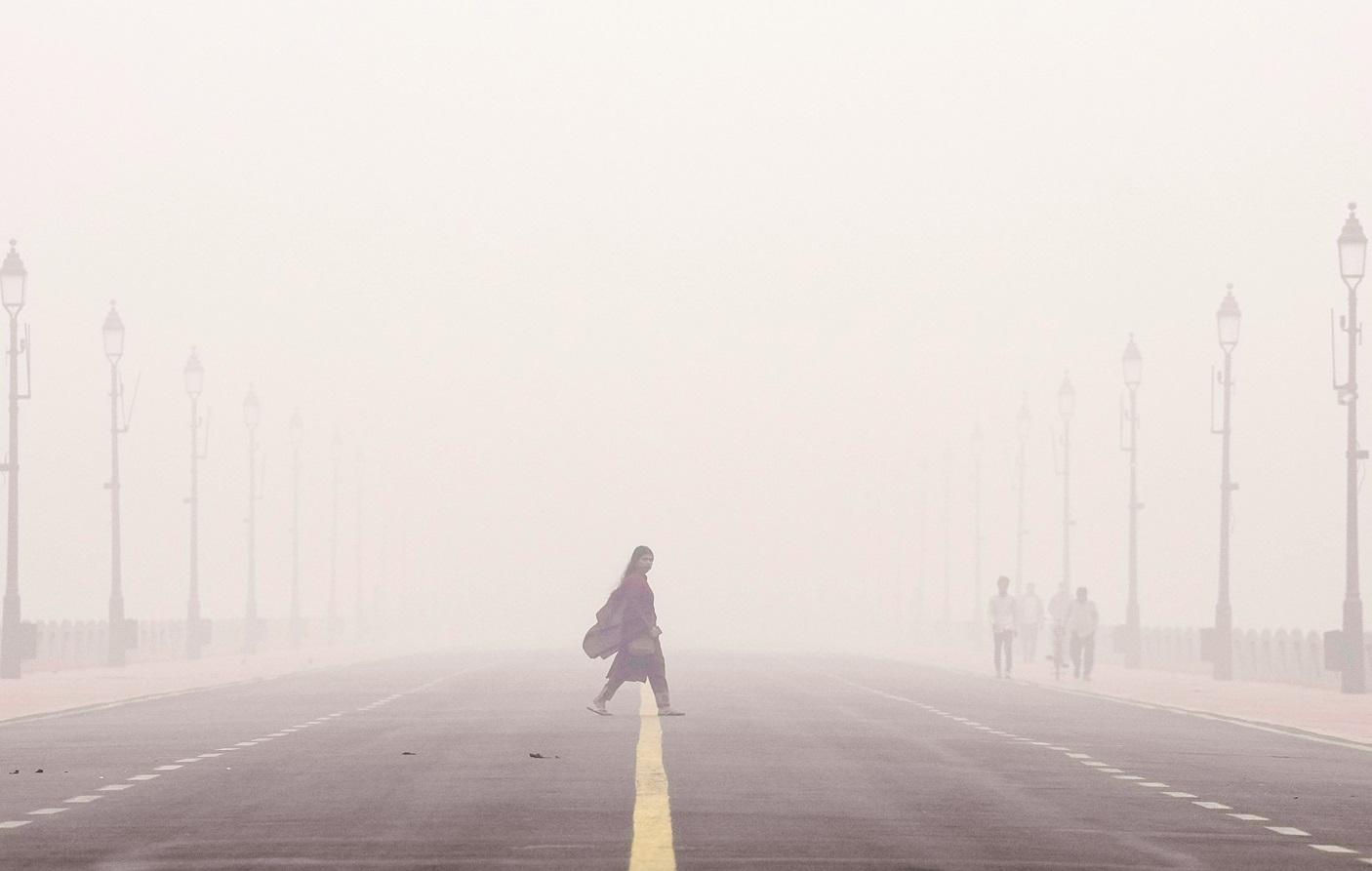
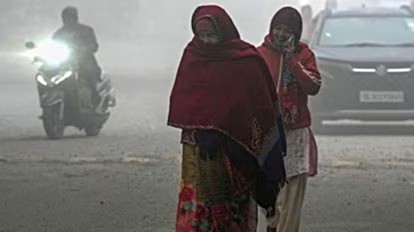
Delhi woke up to a marginal improvement in air quality on Monday, offering little relief to residents as pollution levels continue to pose serious health risks. The city’s overall Air Quality Index (AQI) stood at 346 at 6:05 am, slightly lower than the previous day’s 391, but still within the “very poor” category. Smog blanketed the city as temperatures dipped to 11.6°C, affecting visibility and daily life across the capital and nearby regions.
Current Pollution Levels Across the City
Most monitoring stations reported pollution levels ranging from “very poor” to “severe.” Bawana recorded the highest AQI at 412, followed by Wazirpur at 397, Jahangirpuri at 394, and Nehru Nagar at 386. In the National Capital Region, Noida recorded an AQI of 335, Ghaziabad 302, and Greater Noida 314, all within the “very poor” range. Experts attribute the slight improvement to increased wind speeds and a marginal reduction in stubble burning from surrounding agricultural areas.
GRAP Stage 3 Restrictions on Hold
The Commission for Air Quality Management (CAQM) reviewed the situation but decided to hold off on implementing Stage 3 of the Graded Response Action Plan (GRAP). This stage would have included bans on non-essential construction, restrictions on BS-III petrol and BS-IV diesel vehicles, and a shift to hybrid learning for students up to grade V. For now, measures under Stages 1 and 2 continue, focusing on controlling pollution without severe disruptions to daily life.
Public Protests and Health Concerns
Residents expressed frustration over persistent air pollution, highlighting health risks, especially for children and vulnerable groups. Demonstrations at India Gate saw protesters calling for stronger government action, emphasizing that political inaction has turned air pollution into a public health crisis. The Air Quality Early Warning System predicts that the city’s air will remain in the “very poor” category for the next few days, suggesting that relief is likely temporary.
Looking Ahead
Since Diwali, Delhi’s air quality has consistently fluctuated between “poor” and “very poor,” occasionally entering the “severe” zone. With winter conditions and stubble burning continuing, experts warn that residents should limit outdoor activities, use air purifiers where possible, and monitor real-time AQI updates to minimize exposure to hazardous air. While the slight improvement offers hope, Delhi continues to grapple with a persistent smog crisis impacting health and daily life.