





Now Reading: Mohan Bhagwat on Inclusivity: Can Muslims Join the RSS?
-
01
Mohan Bhagwat on Inclusivity: Can Muslims Join the RSS?
Mohan Bhagwat on Inclusivity: Can Muslims Join the RSS?
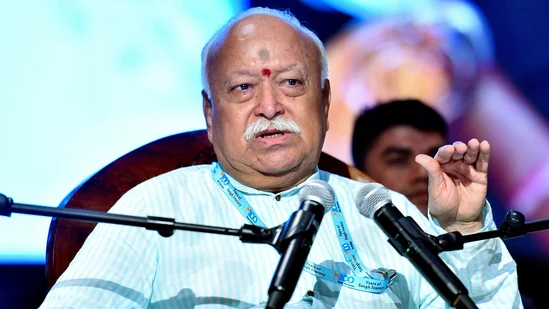
Rashtriya Swayamsevak Sangh (RSS) chief Mohan Bhagwat recently addressed questions about the organisation’s membership policies, specifically regarding Muslims. His comments have attracted national attention, highlighting debates around inclusivity, identity, and the role of the RSS in contemporary India. The discussion is significant for citizens in Tier 1 and Tier 2 cities, reflecting ongoing conversations about cultural integration and the boundaries of social and political organisations.
Bhagwat’s Statement on Membership
During a public interaction, Bhagwat was asked whether Muslims could join the RSS. He clarified that the organisation is open to individuals who respect its principles and ethos, irrespective of religion. He emphasised that adherence to the organisation’s core values—patriotism, cultural pride, and service to the nation—is the primary criterion for participation. This statement suggests a focus on ideological alignment rather than strict religious identity.
Context of the RSS and Inclusivity
The RSS, founded in 1925, is widely known for promoting Hindu cultural values and nationalistic ideals. While traditionally associated with Hindu society, the organisation has periodically highlighted social service initiatives and educational programmes that engage a broader audience. Bhagwat’s response reflects the RSS’s evolving narrative in addressing questions of inclusivity and social cohesion.
Public and Political Reactions
Bhagwat’s remarks generated mixed responses across social and political platforms. Supporters praised the statement as a step towards ideological openness, noting that willingness to embrace values over religious affiliation can strengthen national unity. Critics, however, remain cautious, arguing that structural and historical factors make genuine inclusivity challenging. The conversation underscores the sensitive nature of identity politics in urban and semi-urban India.
Impact on Urban Communities
In Tier 1 and Tier 2 cities, where diverse communities coexist, such statements have practical relevance. Civic debates, youth engagement programmes, and cultural initiatives often intersect with questions of inclusivity. By articulating a values-based approach, Bhagwat signals an intention to engage with broader sections of society without compromising the organisation’s foundational principles.
Broader Implications for Social Integration
The discussion also highlights the tension between ideological loyalty and social diversity in contemporary India. Organisations like the RSS, operating in a pluralistic society, face the challenge of balancing tradition with modern notions of inclusivity. Bhagwat’s remarks suggest a potential framework where shared civic values can bridge religious divides, though practical implementation remains complex.
Conclusion: Mohan Bhagwat’s comments on Muslim participation in the RSS reflect a nuanced approach to inclusivity, focusing on shared values over religious identity. While it invites debate on ideological boundaries, the statement holds significance for India’s urban populations navigating cultural diversity. It also illustrates the ongoing evolution of traditional organisations as they engage with a changing social and political landscape.