





Now Reading: Tulsi Vivah and Dev Diwali mark November’s festive spiritual calendar
-
01
Tulsi Vivah and Dev Diwali mark November’s festive spiritual calendar
Tulsi Vivah and Dev Diwali mark November’s festive spiritual calendar
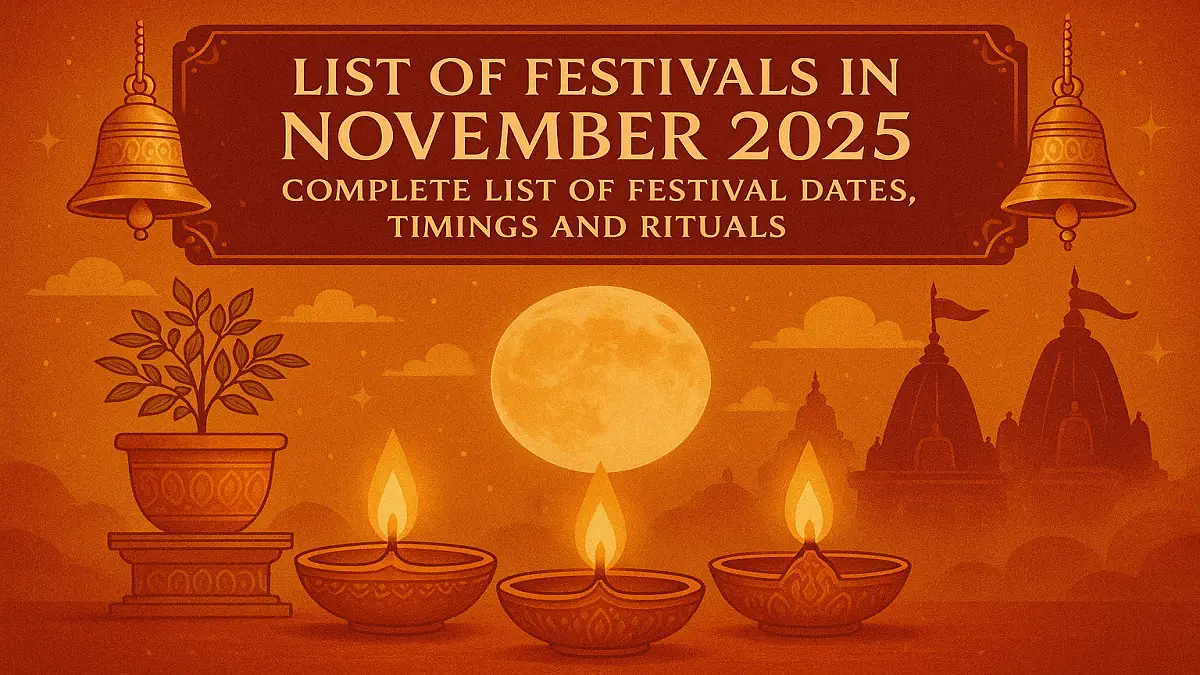
Tulsi Vivah and Dev Diwali hold an important place in the November festival cycle in India, with both observances rooted in devotional practice, seasonal transitions and traditional household rituals. These events mark a shift from the monsoon festival season into the winter devotional cycle, where temple celebrations, family gatherings and riverfront rituals become central.
The sequence of November festivals often shapes household planning, agricultural timing and pilgrimage schedules. Tulsi Vivah signifies the symbolic marriage of the Tulsi plant to Lord Vishnu, while Dev Diwali marks the lighting of lamps on the ghats of Varanasi and other sacred riverbanks to honor the return of gods to the earthly realm.
Tulsi Vivah: cultural significance and ritual format
Tulsi Vivah typically falls on the eleventh day of the Shukla Paksha in the Kartik month of the Hindu calendar. The ceremony symbolizes the union of the Tulsi plant, regarded as an embodiment of Goddess Lakshmi, with Lord Vishnu or his avatar Lord Krishna. In many households, the ritual is performed in courtyards or near Tulsi planters that have been maintained year round.
The ceremony involves decorating the Tulsi plant, preparing a small mandap, and performing puja steps that mirror a traditional wedding sequence on a symbolic scale. Families exchange small offerings of sweets and fruits, and in some regions, the ritual includes singing folk bridal songs associated with Lakshmi and Vishnu.
In rural belts and small towns, Tulsi Vivah marks the end of the Chaturmas period, during which many people restrict certain foods or practices. It also signals the beginning of the winter wedding season. The agricultural link is clear as well: winter cropping patterns often begin around this time, aligning cultural and rural household rhythms.
Dev Diwali in Varanasi and riverfront cities
Dev Diwali, observed on Kartik Purnima, takes place shortly after Tulsi Vivah. It is known most prominently for the lighting of millions of diyas along the ghats of Varanasi. The festival signifies the return of gods to earth and is traditionally connected to victory and purification themes.
On the day of Dev Diwali, pilgrims take a holy dip in the Ganga, believing the act carries spiritual cleansing significance. The evening involves coordinated lamp lighting, cultural performances, chanting and ceremonial offerings to the river. Boat rides become a central part of how people experience the illumination, and the river surface reflects the light of thousands of oil lamps placed on the steps.
Cities such as Ayodhya, Prayagraj, Ujjain and Haridwar also conduct Ganga or river aarti ceremonies, though Varanasi remains the most visually recognized site for the festival. Local tourism activity increases during this period, with hotel occupancy and transport demand rising significantly.
Other November observances that shape household rhythm
Beyond Tulsi Vivah and Dev Diwali, November includes several smaller but widely practiced observances depending on region and tradition. Kartik Snan, observed during the early morning hours through the month, is a devotional bathing practice connected to purification. Many households also maintain a lamp in the puja area throughout Kartik, believed to bring peace and clarity of mind.
Guru Nanak Jayanti also typically falls in November. It is celebrated through Nagar Kirtans, community kitchens (langars) and recitations of the Guru Granth Sahib in gurdwaras across India. The day emphasizes equality, service and collective devotion. In urban centers, Nishan Sahib flag hoisting and community parades form part of the movement through neighborhood streets.
Some communities observe Bhaiya Dooj and Chhath Puja into the early November period depending on the lunar calendar. Chhath Puja is especially significant in Bihar, Jharkhand and eastern Uttar Pradesh, where devotees offer prayers to the setting and rising sun while standing in rivers or water bodies.
Seasonal and cultural linkage of November festivals
November marks the shift to clearer skies, cooler temperatures and the end of monsoon residual humidity. This transition shapes the timing of outdoor rituals, riverbank ceremonies and agricultural decisions. Many festivals in this period involve water, fire or dawn practices, symbolizing purification and grounding as the year moves toward its final quarter.
Culturally, November festivals tend to emphasize devotion over celebration. While earlier months highlight grandeur and community feasts, the Kartik period is quieter, focusing on introspection, early morning discipline and repeated chant or prayer cycles.
Households often use this phase to reset financial, spiritual and social routines before the winter wedding and travel season begins. For many, the period between Tulsi Vivah and Dev Diwali is considered auspicious for starting new commitments, including home renovations, educational decisions or family ceremonies.