





Now Reading: Rare-earth export rules tightening in China could impact Indian defence manufacturing
-
01
Rare-earth export rules tightening in China could impact Indian defence manufacturing
Rare-earth export rules tightening in China could impact Indian defence manufacturing
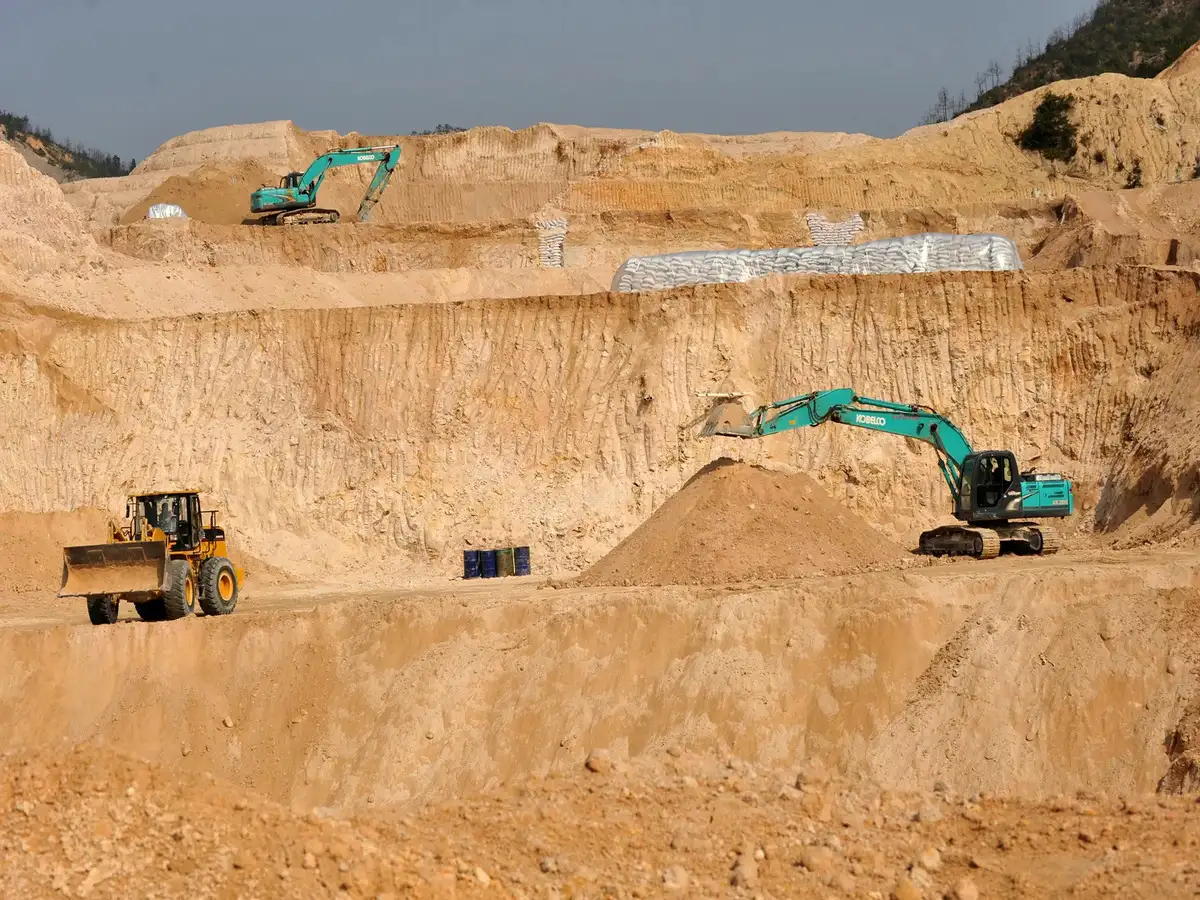
China’s recent tightening of rare-earth export regulations has raised fresh concerns within India’s defence and electronics sectors, with industry experts warning that restricted access to key minerals could disrupt supply chains essential for advanced weaponry, radar systems, and aerospace components.
China’s policy shift and global implications
China, which accounts for over 70 percent of global rare-earth production, announced stricter rules for exporting certain rare-earth materials used in high-end magnets and electronic components. The move, described by Chinese officials as a step to “safeguard national security and resource interests,” adds a new layer of scrutiny to exports of neodymium, dysprosium, and terbium—materials critical for precision-guided missiles, stealth technology, and satellite systems. While China insists that the policy aims to ensure sustainable mining and prevent illegal trade, global analysts see it as part of a broader geopolitical strategy that could give Beijing greater leverage over countries dependent on its mineral supply chain.
India’s dependence on Chinese rare earths
India has made significant progress in developing its defence manufacturing ecosystem under the ‘Make in India’ and ‘Atmanirbhar Bharat’ initiatives. However, the country still relies heavily on Chinese exports for certain advanced materials, especially rare-earth magnets used in missile guidance systems, communication devices, and unmanned aerial vehicles (UAVs). According to data from India’s Ministry of Commerce, nearly 45 percent of rare-earth imports between 2018 and 2023 originated from China. With the new export rules, defence manufacturers may face longer lead times, higher procurement costs, and potential project delays if alternate sourcing is not secured soon.
Impact on defence manufacturing and supply chains
Experts warn that the tightening of rare-earth exports could directly affect projects handled by India’s Defence Research and Development Organisation (DRDO), Hindustan Aeronautics Limited (HAL), and Bharat Electronics Limited (BEL). Many of these systems depend on components requiring rare-earth magnets for performance and reliability. For example, modern radar systems, electric propulsion systems, and missile actuators use neodymium-iron-boron (NdFeB) magnets that are difficult to replace without compromising performance. The impact could also extend to India’s space programs and renewable energy sectors, both of which rely on rare-earth-based materials for turbine and satellite technologies.
India’s efforts to build strategic mineral independence
Recognizing the risk of overdependence, India has been ramping up efforts to explore and extract its domestic rare-earth reserves. The Indian Rare Earths Limited (IREL), under the Department of Atomic Energy, has been working to enhance the processing of monazite sands found along India’s coasts, which contain elements like cerium, lanthanum, and neodymium. In addition, India has signed agreements with countries such as Australia and Vietnam to jointly develop rare-earth mining and refining capacities. These initiatives aim to build a sustainable supply chain that reduces exposure to geopolitical risks.
Global supply diversification and strategic partnerships
India is not alone in seeking alternatives. Countries including Japan, the United States, and South Korea are also working to diversify their rare-earth imports away from China. Recent reports suggest that India could collaborate with Japan and Australia through the Quadrilateral Security Dialogue (Quad) to develop a regional rare-earth partnership. Such an alliance could strengthen collective supply security while encouraging technological sharing in mineral processing and recycling. However, establishing large-scale rare-earth refining infrastructure is a long-term process that requires significant investment and environmental clearances.
Industry response and way forward
Indian defence and technology firms are already adapting to the changing landscape. Some private manufacturers are exploring recycling of old electronics and retired defence equipment to recover usable rare-earth materials. Meanwhile, government think tanks have recommended the creation of a National Rare Earth Mission to coordinate exploration, research, and supply chain resilience strategies. Analysts believe that India’s path to rare-earth independence will rely on a blend of domestic mining, international partnerships, and innovation in material substitutes.
Takeaways
- China’s new export restrictions on rare-earth elements could disrupt India’s defence manufacturing supply chains.
- India relies on China for nearly half of its rare-earth imports used in critical technologies.
- Domestic mining and global partnerships are being strengthened to reduce dependency.
- A long-term policy approach and investment in refining infrastructure are essential for supply resilience.
FAQs
Q1: Why are rare-earth elements important for India’s defence industry?
Rare-earth elements are essential for manufacturing advanced defence technologies like radar systems, guided missiles, and communication devices, as they provide high magnetic strength and heat resistance.
Q2: How dependent is India on China for rare-earth materials?
Currently, India imports around 40–45 percent of its rare-earth materials from China, making its defence and electronics sectors vulnerable to supply disruptions.
Q3: What steps is India taking to reduce this dependency?
India is exploring domestic reserves, partnering with countries like Australia and Vietnam, and promoting recycling and research into alternative materials to build a stable supply chain.
Q4: Could the new Chinese rules affect global industries beyond defence?
Yes. The restrictions may also impact renewable energy, electric vehicles, and electronics manufacturing sectors worldwide, as they all depend on rare-earth-based components.