




Now Reading: Stubble burning drops in Delhi NCR but long term farm strategy still weak
-
01
Stubble burning drops in Delhi NCR but long term farm strategy still weak
Stubble burning drops in Delhi NCR but long term farm strategy still weak
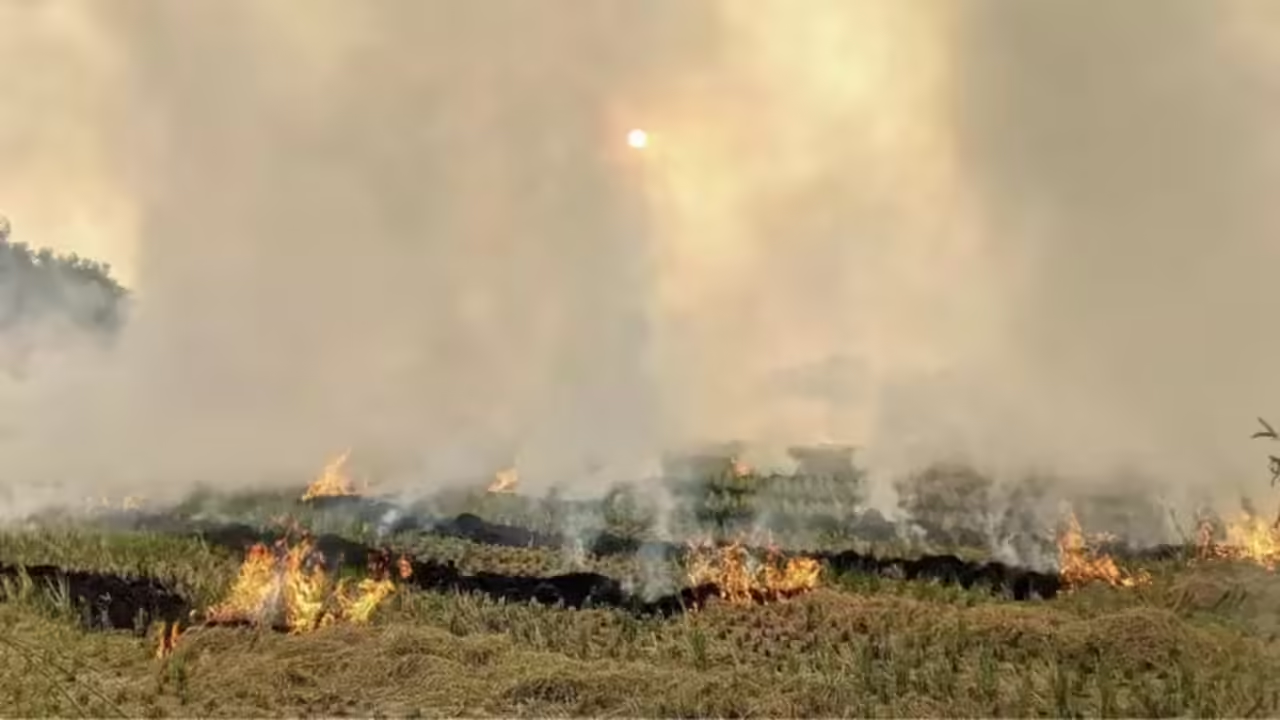
Stubble burn incidents in Delhi NCR have dropped this season, putting the main keyword stubble burn incidents drop in focus for policymakers and residents. While this decline has provided short term relief in air quality spikes, experts warn that India’s long term agricultural strategy to curb crop residue burning remains structurally weak. The current improvement reflects seasonal controls, not sustainable change.
Satellite assessments and state level reporting confirm fewer fire events in Punjab and Haryana compared with previous peak years. However, the core issues driving farm fires remain unresolved, raising concerns that reductions may fluctuate annually unless systemic reforms accelerate.
Why stubble burning reduced this year according to field assessments
(stubble burning decline Delhi NCR)
Multiple factors contributed to the decline in recorded farm fires. Widespread enforcement, fines, district level monitoring and consistent surveillance discouraged burning in high risk zones. Weather conditions such as unexpected rainfall in some pockets also slowed the harvest cycle, reducing pressure on farmers to clear fields rapidly.
Better availability of subsidised machinery like happy seeders and mulchers in certain districts made residue management easier. Local administrative campaigns involving panchayats, cooperatives and village groups helped increase awareness of short term health risks.
However, these improvements do not reflect a large scale structural shift. The decrease aligns with an administrative push rather than a fundamental transformation in crop patterns or economic incentives for residue management.
Why India’s long term crop residue strategy remains weak
(agriculture residue management India)
The underlying challenge is the economic pressure on small and marginal farmers. Most depend on fast field turnover to prepare for the next sowing cycle. Without profitable alternatives, burning crop residue remains the cheapest and fastest solution.
Mechanisation support is uneven across states. While Punjab and Haryana have improved access to equipment, uptake remains low in areas where rental centres are insufficient or operational costs are high. Farmers often report difficulty accessing machines at the exact time needed, leading to last minute burning.
Switching to alternative crops is also difficult. Market structures, procurement patterns and water intensive farming incentives keep the paddy wheat cycle dominant. Unless long term crop diversification is supported by stable procurement, fair pricing and water management reforms, farmers have limited reason to shift away from stubble producing crops.
Short term measures cannot replace structural reforms
(farm policy reform India)
Authorities often rely on enforcement, drone surveillance and emergency advisories to limit burning. These methods reduce visible fires but do not solve the root cause. The challenge of crop residue is linked to agricultural economics, not compliance alone.
Experts argue that India needs a multiyear residue management plan tied to farmer income stability. This includes incentives for crop diversification, large scale procurement of residue for biomass energy, biofuel projects and mushroom cultivation. Pilot projects exist but lack scale to meaningfully reduce dependence on burning.
Additionally, there is a need for clearer coordination between agriculture and environment ministries. Pollution control bodies can track fires, but only agricultural reforms can eliminate the need for burning.
Impact on Delhi NCR air quality and public health
(Delhi pollution stubble impact)
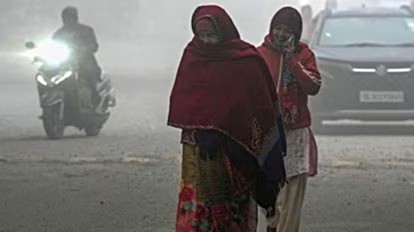
The reduction in fires helped soften the sharpest pollution spikes this season, even though overall air quality in Delhi NCR remained poor due to local emissions, stagnant winds and other winter factors. Lower farm fires reduce the peak particulate concentration that typically overwhelms the region in late October and November.
However, experts warn that even with fewer fires, wind patterns can carry smoke long distances. A temporary decline in fires should not be mistaken for a long term solution. Without consistent reductions over several years, Delhi NCR will continue facing seasonal pollution waves.
Public health agencies note that particulate pollution remains high enough to trigger respiratory distress, especially for children, elderly residents and those with chronic illness. The decline in farm fires does not eliminate health risks from local pollution sources.
What must change to build a sustainable residue management model
(future farm strategy India)
For long term improvement, India needs a strategy centred on economic viability rather than forced compliance. Key priorities include:
Increasing financial incentives for farmers who avoid burning and adopt sustainable residue practices.
Expanding residue to energy and biomass procurement networks so farmers can sell stubble rather than burn it.
Improving access to machinery through village clusters, cooperatives and rental hubs.
Redesigning crop patterns by supporting drought resistant and low residue crops with guaranteed procurement.
Experts believe that only a combination of technology, market incentives and crop policy reform can permanently reduce burning.
Takeaways:
Stubble burn incidents in Delhi NCR decreased this year, easing seasonal pollution spikes.
Short term gains came from enforcement and timing, not structural agricultural reforms.
India’s long term residue management strategy remains weak due to economic and infrastructural gaps.
Sustainable solutions require crop diversification, better machinery access and residue utilisation markets.
FAQs:
Why did stubble burning reduce this year?
Stronger enforcement, better machinery access in some districts and weather related delays contributed to fewer fires.
Does this mean long term improvement?
No. Core issues like paddy dominance, low income margins and limited residue markets remain unresolved.
How much does stubble burning affect Delhi’s air quality?
It significantly impacts peak pollution days in winter, though local emissions also play a major role.
What is needed to permanently reduce farm fires?
Economic incentives, crop diversification, biomass procurement networks and scalable residue management systems.