





Now Reading: Can GST relief on air purifiers meaningfully reduce northern smog levels
-
01
Can GST relief on air purifiers meaningfully reduce northern smog levels
Can GST relief on air purifiers meaningfully reduce northern smog levels
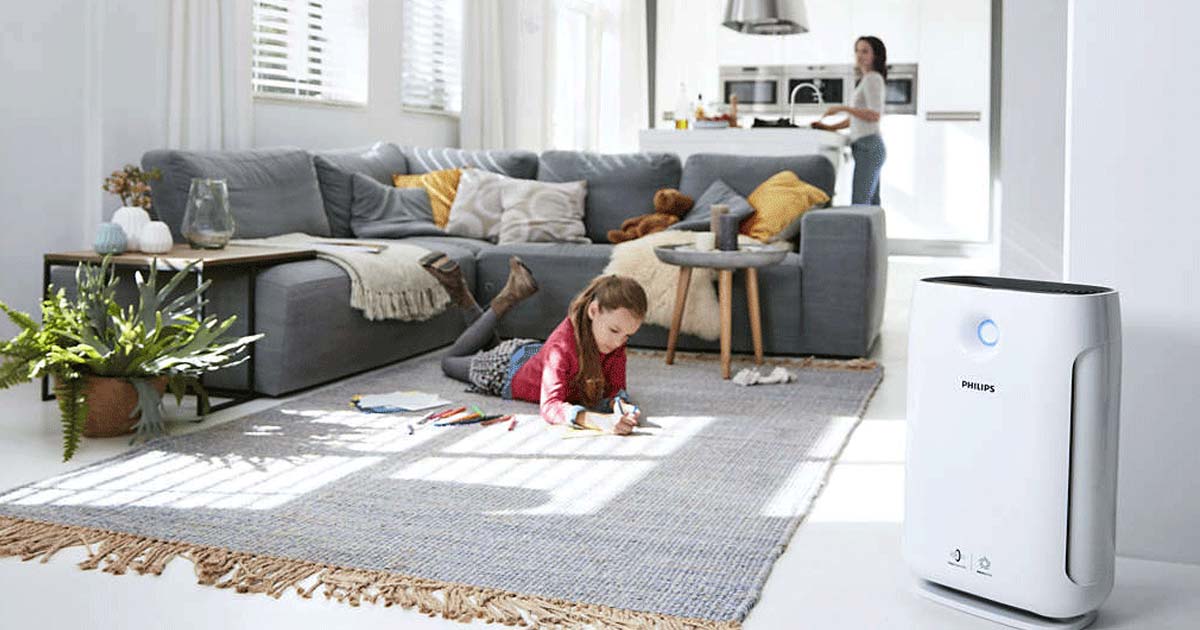
GST relief on air purifiers has emerged as a debated policy tool as governments confront severe winter pollution across northern India. While the measure may make air purifiers more affordable for households and offices, experts remain divided on whether such a tax cut can significantly influence smog levels at a regional scale.
GST relief for air purifiers is being considered as part of a broader approach to reduce exposure to hazardous pollutants during peak smog months. The idea is that lowering costs could expand purifier adoption, especially in cities like Delhi, Ghaziabad, Noida and Gurugram. However, the core challenge is that air purifiers treat indoor air quality but do not address the large scale outdoor emissions causing winter smog.
What GST relief aims to achieve for households
The primary objective of a tax cut is secondary keyword affordability improvement, making air purifiers more accessible. High quality purifiers capable of filtering PM2.5 often cost significantly more than standard household appliances. For middle income families, a lower GST slab could encourage wider adoption, improving indoor air safety during high pollution episodes.
Indoor pollution levels in northern cities frequently exceed safe limits by large margins, sometimes matching or surpassing outdoor concentration peaks during severe smog events. Purifiers with HEPA filtration can reduce particulate concentrations inside homes, giving vulnerable groups such as children, elderly citizens and asthma patients a practical protective layer.
A GST cut would also influence corporate adoption. Offices, schools, retail outlets and healthcare facilities may increase purifier installation, providing safer indoor environments for staff and customers. But while this improves personal safety, it does not directly reduce pollutants entering the outdoor atmosphere.
Why GST cuts alone cannot lower smog intensity
Smog in northern India is driven by secondary keyword multi source pollution, including vehicular emissions, industrial activity, construction dust, biomass burning and unfavourable meteorological conditions. Air purifiers filter pollutants only within enclosed spaces. Even if adoption increases, outdoor air quality remains largely unchanged.
Smog formation is a regional phenomenon influenced by temperature inversion, low wind speed and accumulation of pollutants over several days. No household device can influence these macro level factors. Therefore, GST relief can reduce exposure but cannot reduce emission sources that create smog.
Experts also highlight that purifier uptake is skewed toward urban upper income households, limiting population wide impact. Rural and peri urban areas, where many pollution sources originate, will not benefit significantly from purifier adoption even with lower GST.
Long term policy solutions required to curb smog
Meaningful smog reduction requires secondary keyword structural emission control rather than consumption incentives. This includes stricter vehicular emission standards, acceleration of electric mobility, curbs on industrial smoke, better construction dust compliance, crop residue management and improved waste processing.
States in the northern plains also need coordinated action on stubble burning alternatives, biomass fuel reduction and rural electrification to reduce open burning practices. Without addressing these emission drivers, smog levels will continue to peak each winter irrespective of indoor air protection measures.
Urban infrastructure reforms also play a key role. Expanding green buffers, increasing public transport usage, improving street sweeping frequency and enforcing dust mitigation standards can generate measurable air quality improvement over time. These actions focus on emission reduction rather than post emission filtration.
Economic and behavioural effects of a GST reduction
Despite its limitations, GST relief may trigger secondary keyword behavioural change among certain consumer groups. A drop in purifier prices could lead to mass market demand, encouraging manufacturers to scale production and reduce costs. Greater awareness of indoor air safety may prompt more residents to track air quality metrics and modify household habits, such as reducing incense burning or using cleaner cooking fuels.
Schools may adopt purifiers more widely if costs drop, providing safer learning environments during smog season. Hospitals could expand purifier use in emergency wards, improving conditions for respiratory patients. This creates micro level health benefits even though outdoor smog levels remain unchanged.
From an economic perspective, the air purifier industry could experience growth, generating jobs in manufacturing, retail and service networks. However, policymakers must weigh this benefit against the broader need for systemic emission control.
Takeaways
GST relief could make air purifiers more affordable for households and businesses.
Lower GST will not reduce outdoor smog since purifiers only clean indoor air.
Long term smog reduction needs structural emission controls across sectors.
GST cuts may still support health protection during severe winter pollution.
FAQ
Will GST reduction improve outdoor air quality?
No. Air purifiers do not influence outdoor emissions or smog formation. They only clean indoor air.
Who benefits most from GST relief?
Urban households, offices, schools and healthcare facilities that can install purifiers benefit through improved indoor air safety.
Is this a long term solution to smog?
No. Long term improvement requires emission control in transport, industry, agriculture and construction.
Should GST relief still be considered?
Yes, as a health protection measure for vulnerable populations, but it must complement broader pollution control efforts.