








Now Reading: RBI rate cut speculation rises ahead of December 5 policy meet
-
01
RBI rate cut speculation rises ahead of December 5 policy meet
RBI rate cut speculation rises ahead of December 5 policy meet
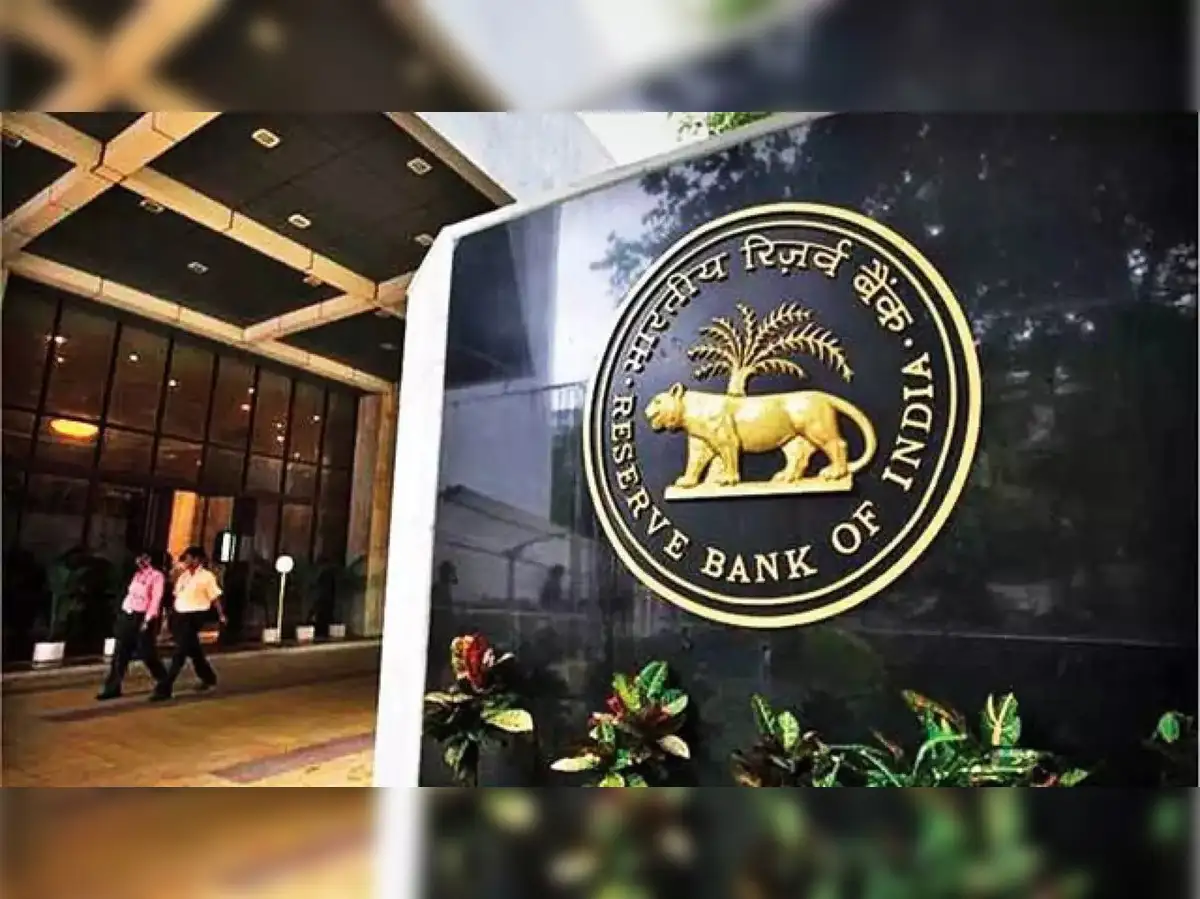
RBI rate cut speculation has intensified ahead of the December 5 policy meet as investors, lenders and policy watchers look for monetary cues after the latest GDP and inflation trends. The main keyword is now shaping market expectations, bond yields and banking sector sentiment.
The meeting comes at a time when global monetary conditions are still tight, but domestic indicators show moderate inflation and strong economic growth. This combination has created a divided outlook, with some expecting a status quo stance and others predicting an early signal of easing in the coming quarters.
Markets track inflation trends as policy expectations shift
The primary factor driving discussion around a possible rate cut is the inflation trajectory. Retail inflation has remained within the RBI’s tolerance band in recent months, supported by stable fuel prices and easing supply pressures in some food categories. Although food inflation remains uneven, the broader trend suggests manageable price conditions heading into the winter months.
Bond yields have reflected this shift. Several maturities recorded mild softening as traders positioned themselves ahead of the policy event. Lower yields indicate rising expectations that the central bank may acknowledge improving macro stability even if it avoids immediate action. Market participants are tracking RBI’s commentary closely because any shift in tone can influence cost of funds for corporates and banks.
Banks and NBFCs are also preparing for a possible forward guidance change. A subtle signal pointing toward future accommodation could boost credit flow and support sectors like housing, autos and MSMEs during the early part of next year.
Growth data supports policy flexibility but caution remains
India’s recent GDP print surprised on the upside and strengthened the country’s growth narrative. The 8 percent plus performance provides the central bank with room to calibrate policy without risking a slowdown in economic momentum. Strong output in manufacturing, construction and services indicates resilient domestic demand.
However, RBI has consistently emphasised inflation control as its primary mandate. Even with favourable data, policymakers remain conscious of sudden price spikes, especially in food categories that can move quickly due to weather disruption. This is a key reason analysts believe the December 5 meeting might avoid any abrupt policy decision.
Despite these concerns, the growth backdrop has increased confidence among economists that rate cuts may emerge in early or mid 2026 if inflation stays under control. The December meet could act as a bridge where the central bank acknowledges positive trends while retaining a cautious policy stance.
Global economic signals influence RBI decision making
Global cues continue to play a major role in shaping domestic policy expectations. Major central banks are approaching the end of their tightening cycles, but none have declared a full pivot toward easing. US inflation has moderated but remains sensitive to energy price fluctuations. European growth has been soft, and China is attempting to stabilise its domestic demand.
These factors create a complex environment for the RBI. A premature cut could widen interest rate differentials and put pressure on the rupee. The central bank has historically prioritised stability, particularly during periods when global capital flows are uncertain. A stable currency helps maintain import cost control and protects India from external shocks.
Forex market activity in the past few weeks suggests traders expect a neutral stance from the RBI. The rupee has remained range bound with no sharp swings. This stability reduces pressure on policymakers and keeps attention focused on domestic inflation and credit conditions rather than external risks.
Banking and credit sectors prepare for policy signals
Banks are closely watching the policy meet because lending rates are directly influenced by the repo rate and liquidity guidance. Home loan demand has stayed strong despite elevated EMIs, and a future rate cut could boost sentiment in the housing market. Corporate credit demand has increased as capex cycles pick up in infrastructure, manufacturing and logistics.
NBFCs with exposure to consumer loans are also anticipating cues that could help manage borrowing costs. Sectors like autos and consumer durables often benefit from improved credit affordability. Even a verbal shift in tone from the RBI can influence borrowing decisions for both institutions and consumers.
Liquidity remains manageable within the banking system, supported by government spending and stable deposit flows. The policy meet will clarify whether the central bank plans to adjust liquidity tools to ensure adequate system balance heading into the final quarter of the fiscal year.
What analysts expect from the December 5 meeting
Most economists expect the RBI to hold rates steady during the December meet. The focus is likely to remain on inflation management, global uncertainties and domestic consumption trends. However, they believe the central bank may begin softening its stance through updated guidance if positive conditions persist.
The market is also expecting clarity on future liquidity actions, commentary on food price risks and an updated assessment of global financial conditions. Any indication that policymakers are preparing for rate cuts in coming quarters could accelerate activity in interest sensitive sectors.
Takeaways
RBI rate cut speculation has increased due to easing inflation and strong GDP data.
Domestic and global indicators suggest a cautious policy stance despite market optimism.
Banks and investors expect clear guidance on liquidity, inflation risks and future easing potential.
Most analysts predict no immediate cut but possible softening of tone in the policy outlook.
FAQs
Why are markets expecting a possible rate cut signal?
Because recent inflation and growth data have created conditions where future easing may be feasible if stability continues.
Will RBI cut rates on December 5?
Most analysts expect a status quo decision, with any rate cuts more likely in 2026 depending on inflation trends.
How will borrowers be affected if rates eventually fall?
Home loan, auto loan and MSME credit costs may reduce, improving affordability and boosting demand across sectors.
What risks could stop RBI from easing policy?
Food inflation spikes, global volatility, energy price shocks and currency pressure remain key risks that can delay cuts.