








Now Reading: AI powered wearable tech rapidly enters Indian mainstream users
-
01
AI powered wearable tech rapidly enters Indian mainstream users
AI powered wearable tech rapidly enters Indian mainstream users
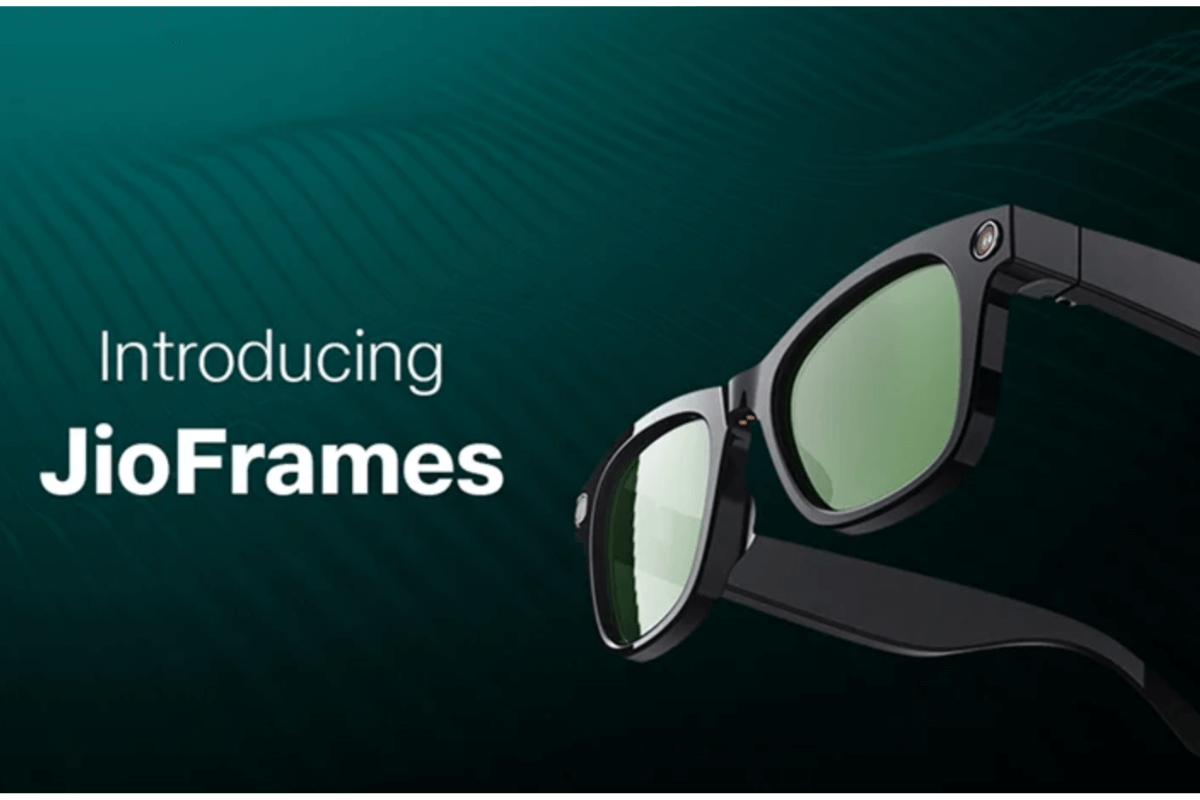
AI powered wearable tech is entering Indian mainstream users at a faster pace as device prices fall, health tracking improves and adoption spreads beyond metros into tier 2 and tier 3 cities. The main keyword reflects a shift from niche gadgets to everyday consumer tools used for fitness, work and safety.
Smartwatches, fitness bands, AI enabled earbuds and smart rings are driving this surge. Features like predictive health alerts, real time coaching and context aware assistance are helping wearables move from passive trackers to active decision support companions.
Growing adoption driven by affordable devices and health features
The first major catalyst behind India’s wearable boom is affordability. Domestic and global brands have expanded aggressively into the sub 3000 and sub 5000 rupee categories. These devices offer step tracking, heart rate monitoring, sleep analysis and basic AI recommendations that earlier required premium hardware.
Health remains the biggest adoption driver. Users want early warnings for high heart rate, low oxygen levels, irregular sleep cycles and stress patterns. The pandemic increased health awareness, and AI powered insights have made these devices more compelling. Smartwatches now use machine learning models to detect changes in user patterns and generate actionable feedback.
Smart rings with advanced sensors are gaining popularity among working professionals who want discreet tracking. AI powered earbuds can monitor movement, heartrate and noise exposure while assisting with calls and navigation.
AI enhanced smartwatches become daily productivity tools
Smartwatches are moving beyond health tracking. AI based assistants can summarise notifications, classify alerts by relevance and suggest actions such as replying, calling back or scheduling reminders. Calendar coordination, voice commands and AI generated quick responses are improving workplace productivity.
Newer models use contextual intelligence. For example, the watch may recommend relaxation exercises after detecting prolonged stress or suggest movement after long sedentary periods. Activity recognition has improved due to AI pattern learning, which automatically detects walking, running or cycling without manual input.
Battery life enhancements through intelligent power management make daily use more practical. AI algorithms now optimise sensor usage, display brightness and background processes based on user habits.
Exposure expands across youth, professionals and senior citizens
The Indian wearable market is no longer limited to tech enthusiasts. College students use wearables for fitness goals, sports tracking and study reminders. Young professionals rely on productivity features, sleep optimisation and meeting related notifications. Senior citizens are adopting wearables for safety and health monitoring.
Fall detection, SOS alerts and location sharing features are gaining traction in elder care. Families use connected dashboards to monitor health stats remotely. AI models can detect anomalies and send alerts if behaviour deviates from usual patterns.
Regional language integration is helping adoption across non English speaking users. AI based voice assistants now support commands in multiple Indian languages, making wearables more accessible.
AI powered earbuds and smart rings push next wave of innovation
AI enabled audio wearables have emerged as a strong growth segment. Earbuds with adaptive noise control adjust sound settings based on environment. Spatial audio, call clarity enhancement and gesture controls now rely on machine learning models. Fitness tracking capabilities integrated into earbuds allow users to monitor workouts without wearing a watch.
Smart rings are becoming the preferred device for sleep and recovery analysis. Their compact size and high accuracy sensors appeal to professionals who prefer minimalist wearables. AI powered readiness scores help users plan their day, adjust workload and track long term health trends.
Payments and authentication via wearables are also rising. NFC based transactions, access badges and digital identity features could integrate deeper into Indian fintech ecosystems.
Privacy, data protection and long term reliability challenges
As adoption expands, privacy concerns are rising. Wearables collect sensitive biometric data such as heart rate patterns, sleep cycles, stress levels and movement details. Users increasingly question how companies store, process and secure this data.
Regulatory frameworks for health data in India are evolving. Analysts expect stricter rules around consent, storage and anonymisation. Brands are emphasising encrypted storage, on device processing and transparent data policies to build trust.
Long term reliability of AI models also requires improvement. Wearables must maintain accuracy across diverse skin tones, climates and activity levels. Manufacturers are expanding datasets to account for Indian environmental and demographic diversity.
Market outlook indicates strong multi year growth
Market research indicates that India’s wearable tech segment is set for sustained double digit growth. Smartwatches, smart rings and earbuds will lead expansion, followed by emerging devices like AR glasses and AI enabled safety wearables.
Integration with India’s digital health mission, rapid fintech expansion and rising urban mobility will further accelerate adoption. As AI capabilities mature, wearables could evolve into personal health companions that detect early symptoms, track chronic illness and personalise fitness plans.
Takeaways
AI powered wearable tech is rapidly entering India’s mainstream across cities and age groups.
Smartwatches, earbuds and smart rings are driving adoption through health insights and productivity tools.
Affordability, language support and improved sensors have expanded the user base significantly.
Privacy, data security and long term accuracy remain key areas for industry improvement.
FAQs
Why are AI powered wearables gaining popularity in India?
Because they offer affordable health tracking, productivity features and personalised recommendations that are useful for daily routines.
Which devices are leading adoption?
Smartwatches, smart rings and AI based earbuds are the fastest growing categories due to diverse features and falling prices.
Are AI wearables useful for senior citizens?
Yes. Features like fall detection, heart rate tracking and SOS alerts help families monitor seniors more safely.
What are the major concerns with wearable adoption?
Privacy, data security and the accuracy of long term biometric tracking remain top concerns among users and experts.