






Now Reading: HIV stigma and prevention take centre stage on World AIDS Day 2025
-
01
HIV stigma and prevention take centre stage on World AIDS Day 2025
HIV stigma and prevention take centre stage on World AIDS Day 2025
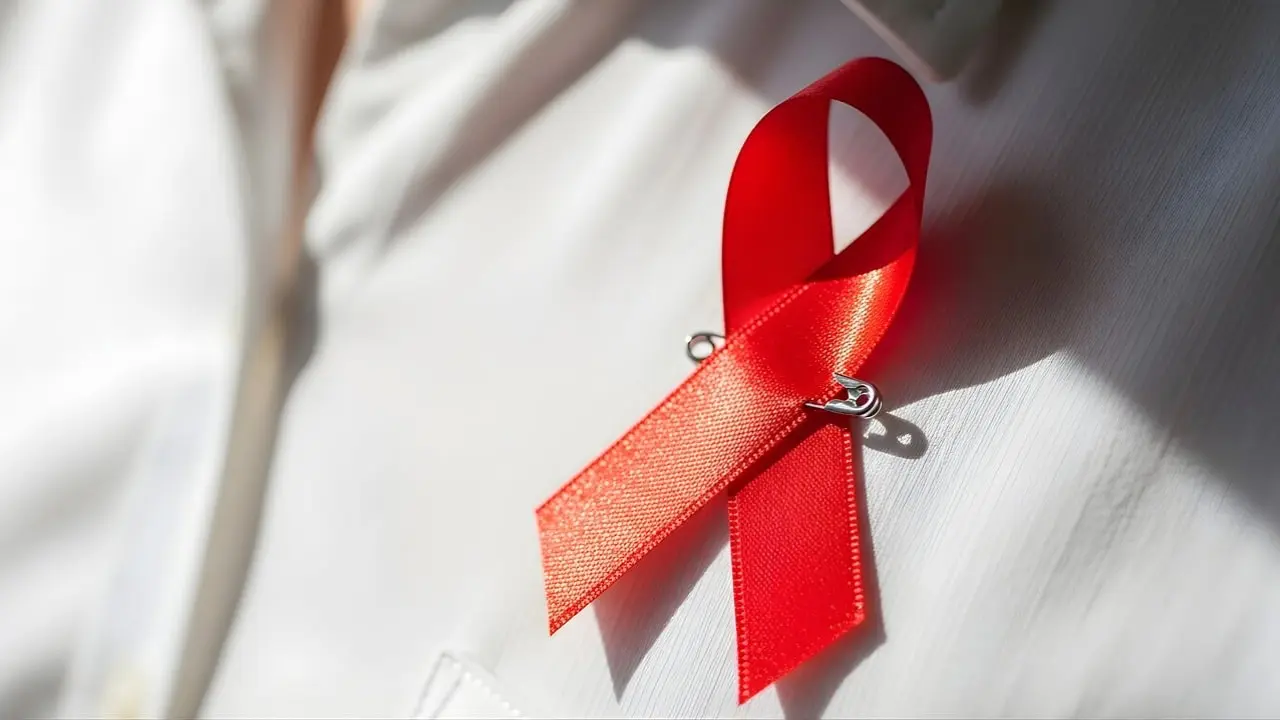
Health awareness HIV stigma prevention efforts gain renewed focus on World AIDS Day 2025 as India strengthens its commitment to reducing new infections and improving care outcomes. The main keyword highlights the need to address persistent social barriers while expanding prevention, treatment and education strategies nationwide.
This year’s observance comes at a crucial time. India has made measurable progress in lowering HIV incidence, yet stigma, misinformation and delayed diagnosis continue to hinder long term goals. Communities, healthcare systems and policymakers are using this year’s theme to push for inclusive, stigma free environments.
Persistent stigma continues to affect testing and treatment behaviour
HIV stigma remains one of the most significant challenges in India’s public health landscape. Despite increased awareness and improved access to treatment, many individuals hesitate to seek testing due to fear of discrimination from family, workplaces or healthcare settings.
Stigma impacts the entire care continuum. People often delay testing until symptoms appear, which reduces the effectiveness of timely treatment. Social isolation and misinformation also discourage some individuals from adhering to regular medication or attending follow up appointments.
In rural and semi urban areas, cultural misconceptions around transmission create additional barriers. Health workers report that many still believe HIV spreads through casual contact, which fuels avoidance and exclusion. Correcting these misconceptions is central to reducing long term stigma.
India expands prevention tools as global best practices evolve
Public health authorities are accelerating prevention strategies with a multi layered approach. Awareness campaigns now focus on youth, high risk groups and general populations through schools, digital platforms and community events. Updated content emphasises safe practices, early testing and the importance of eliminating judgement around HIV.
Pre exposure prophylaxis (PrEP) and post exposure prophylaxis (PEP) are gaining visibility as prevention tools. While availability varies across regions, awareness efforts aim to normalise these scientifically proven options, particularly for individuals with higher exposure risk.
Condom distribution programmes, community outreach campaigns and targeted interventions for vulnerable groups remain core components of prevention. Digital health tools, including mobile apps and online counselling services, are also improving outreach quality.
Treatment access improves but early diagnosis remains critical
India’s antiretroviral therapy (ART) network is among the largest globally. Treatment is widely accessible through government centres that provide free medication, counselling and follow up services. Newer drug regimens with fewer side effects have improved adherence and quality of life for patients.
However, early diagnosis remains a challenge. Many individuals do not test until advanced stages due to stigma, lack of awareness or fear of disclosure. Late diagnosis increases health complications and makes public health management more difficult.
To address this, several states are deploying mobile testing units, integrating HIV screening with routine health camps and expanding outreach among migrant workers, truck drivers and high mobility populations. Self test kits are being introduced in limited settings to encourage more private and comfortable screening options.
Communities and organisations push for stigma free environments
Community based organisations play an essential role in advocacy, support and awareness. Peer educators, health volunteers and support groups help individuals access services, understand treatment options and manage mental health challenges associated with diagnosis.
Workplace inclusion has also become a priority. Companies are adopting non discriminatory policies, conducting awareness workshops and providing confidential health support. These efforts create safer environments for individuals living with HIV and encourage more people to seek testing without fear of consequence.
Educational institutions are updating curriculum modules to teach adolescents factual information about HIV, transmission methods and prevention. Reducing stigma early in life helps build a more informed and accepting society.
Youth engagement emerges as a key strategy in prevention efforts
India’s young population plays a pivotal role in shaping future HIV prevention outcomes. With rising digital engagement, misinformation spreads quickly among youth. Public health organisations are therefore investing heavily in youth focused digital campaigns, gamified learning tools and interactive workshops.
Schools and colleges are hosting awareness sessions that address myths, teach safe practices and encourage testing when necessary. Youth ambassadors and influencers are being trained to communicate sensitive information in relatable formats.
Improved outreach among young adults ensures that prevention strategies remain timely, culturally relevant and grounded in lived experiences.
Focus shifts to integrated health models for long term impact
Experts emphasise that HIV prevention cannot function in isolation. India is moving toward integrated health models where HIV services are linked with tuberculosis screening, reproductive health, mental health support and general wellness checks. This approach simplifies patient journeys and reduces the stigma associated with standalone HIV clinics.
Integration also helps healthcare workers identify comorbidities early and provide holistic care that improves treatment outcomes. Digital health records, telemedicine platforms and remote consultation systems further strengthen continuity of care.
Long term success requires sustained funding, community partnership and ongoing public awareness. World AIDS Day 2025 serves as a reminder that while scientific progress is strong, social progress must accelerate.
Takeaways
HIV stigma continues to hinder testing, treatment and open discussion across communities.
Prevention efforts now include PrEP, PEP, awareness drives and targeted outreach programmes.
Early diagnosis and integrated health models are essential for long term HIV management.
Youth engagement and education remain central to reducing stigma and improving prevention.
FAQs
Why does HIV stigma remain so strong in India?
Because misconceptions, cultural beliefs and fear of discrimination still influence how people perceive HIV, despite scientific progress and expanded treatment access.
What prevention tools are available today?
Condoms, PrEP, PEP, awareness campaigns and digital counselling platforms form the core of modern HIV prevention strategies.
How does early diagnosis help?
It enables timely treatment, reduces complications and significantly lowers the risk of transmitting HIV to others.
Are India’s youth involved in HIV awareness?
Yes. Schools, colleges and digital platforms are engaging youth through workshops, campaigns and influencer partnerships to build accurate awareness.