







Now Reading: S and P upgrade gives India IBC a 100 billion insolvency boost
-
01
S and P upgrade gives India IBC a 100 billion insolvency boost
S and P upgrade gives India IBC a 100 billion insolvency boost
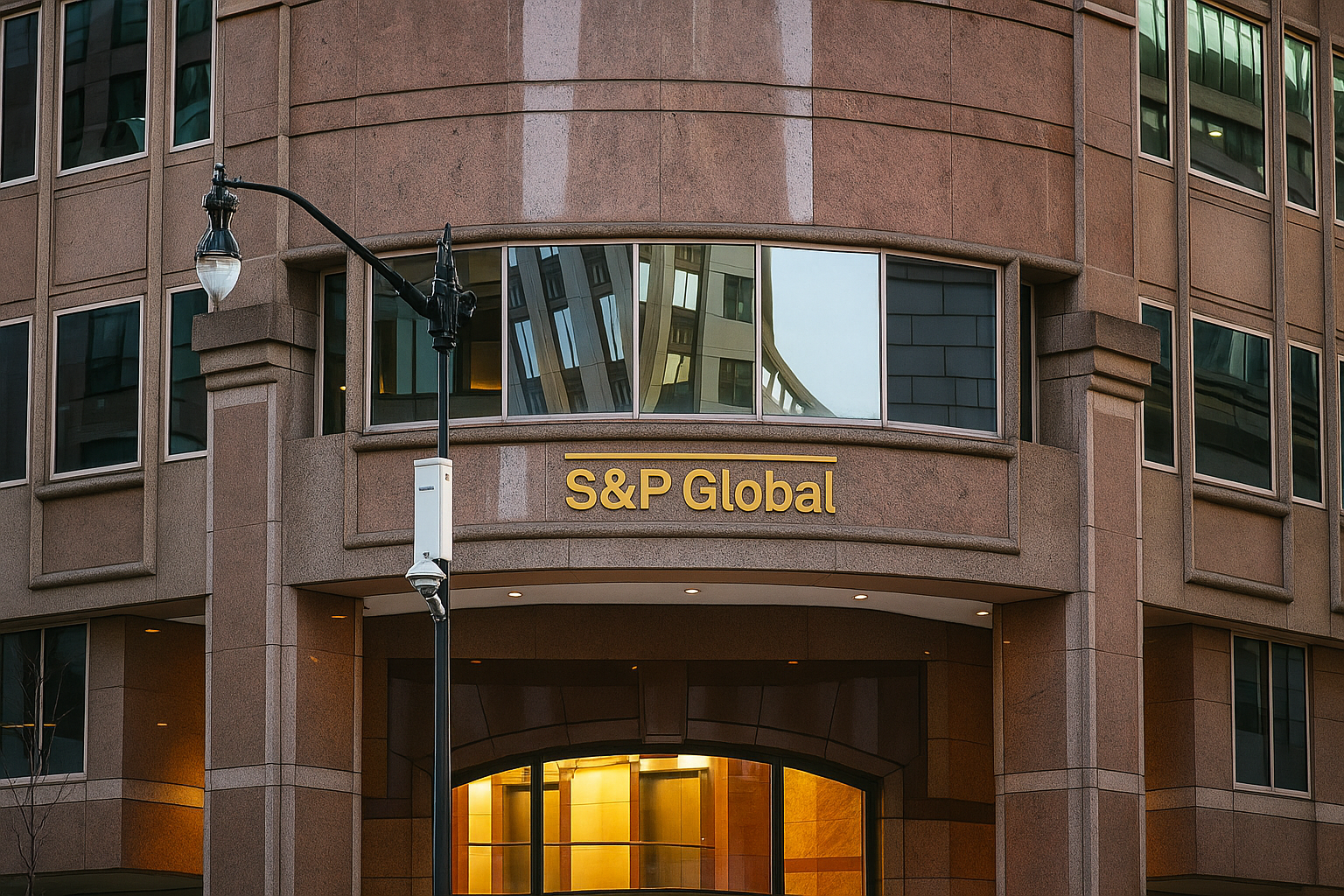
India’s Insolvency and Bankruptcy Code received a major uplift after S and P Global Ratings upgraded the country’s insolvency framework, estimating that stronger recoveries and faster resolutions could unlock nearly 100 billion dollars in economic value. The development boosts confidence in India’s credit ecosystem and signals better outcomes for lenders.
Upgrade reflects strengthening insolvency outcomes
The upgrade highlights measurable improvements in case resolutions, creditor rights and recovery values since the IBC became operational. While timelines still exceed the ideal 330 day limit, several large cases have closed with significantly better recoveries compared to the pre IBC period. This performance supports the 100 billion dollar estimate and indicates that the system is maturing. Lenders now face less uncertainty during defaults, and investors see clearer pathways for distressed asset resolution. The improvement also enhances India’s standing among emerging markets with evolving insolvency systems.
Stronger recoveries and their impact on lenders
Higher recovery rates directly improve bank balance sheets. For years, non performing assets burdened banks and restricted lending capacity. With more predictable outcomes under the IBC, lenders can price loans more efficiently and allocate credit with greater confidence. Cleaned up balance sheets allow more capital to move toward productive sectors such as infrastructure, manufacturing and mid sized enterprises. The economic benefit extends beyond recovered assets, as improved confidence fuels stronger credit flow and reduces risk premiums in the financial system.
Reforms that helped strengthen the IBC
Recent procedural improvements have supported the positive assessment. Regulators have streamlined case management, expanded digital filing systems and strengthened the roles of resolution professionals. Better coordination between tribunals has also reduced avoidable delays. Large corporate cases in steel, real estate and power have demonstrated that when processes move without interruption, recoveries are significantly higher and asset value erosion is minimised. Reform momentum continues, especially in areas affecting small and medium enterprise insolvencies where delays remain common.
Investor confidence rises with a more stable framework
A strong insolvency regime is a key factor for global investors evaluating emerging markets. The S and P upgrade signals that India offers clearer legal pathways, more transparent resolution standards and more predictable timelines. Distressed asset funds, private equity firms and global credit funds are more likely to participate when they see consistency in outcomes. Higher investor confidence can translate into stronger participation in stressed asset auctions and increased capital inflows for new projects. This contributes to broader economic stability and reinforces India’s attractiveness as an investment destination.
Understanding the 100 billion value boost
The estimated 100 billion dollar impact is derived from improved recoveries, reduced asset erosion during insolvency and increased credit creation supported by healthier bank balance sheets. Before the IBC, protracted delays caused asset values to fall sharply, leading to lower recoveries. Faster processes preserve business value and prevent deterioration of operational assets. Additionally, a more competitive market for distressed assets has improved price discovery and attracted strategic buyers. These factors create systemic gains that go beyond individual cases and contribute to overall financial resilience.
Challenges that still need attention
Despite progress, several issues continue to limit the full potential of the IBC. Many cases breach statutory timelines due to high litigation volumes and capacity constraints in tribunals. Smaller insolvency cases often struggle because of limited bidder interest or incomplete financial documentation. Cross border insolvency rules also need refinement as more global companies expand operations in India. Experts believe that expanding tribunal capacity, strengthening pre packaged insolvency frameworks and improving data availability can accelerate resolution timelines further. The upgrade signals progress but also highlights the need for continued structural improvements.
Takeaways
The S and P upgrade reflects strengthening outcomes in India’s insolvency ecosystem
Higher recoveries improve bank balance sheets and support more efficient lending
Global investors view the improved IBC as a sign of greater legal stability
Key challenges remain in reducing delays and improving SME case outcomes
FAQ
Why did S and P upgrade India’s insolvency framework
It upgraded the framework due to better recoveries, clearer processes and improved predictability in insolvency outcomes compared to previous years.
How will the 100 billion dollar benefit impact the economy
It reflects preserved value, higher recoveries and stronger lending capacity, all of which support economic growth and financial stability.
Will the upgrade attract more foreign investors
Yes, a more reliable insolvency system increases investor confidence by offering cleaner exit pathways and improved asset value preservation.
What challenges continue to affect the IBC
Delays in tribunals, limited capacity for SME cases and evolving cross border rules remain areas that require ongoing reforms.