









Now Reading: IndiGo aviation turmoil deepens as regulatory probe intensifies
-
01
IndiGo aviation turmoil deepens as regulatory probe intensifies
IndiGo aviation turmoil deepens as regulatory probe intensifies
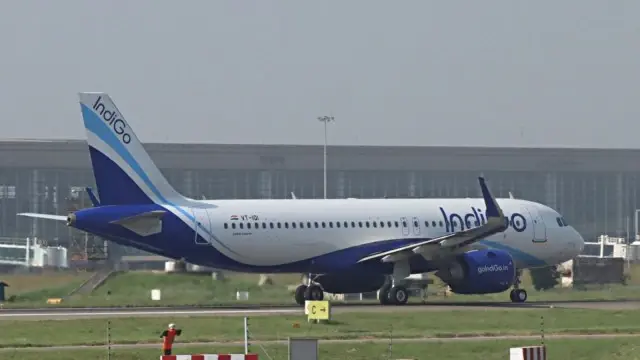
IndiGo aviation turmoil has escalated as regulators intensified their probe into widespread cancellations affecting passengers across multiple airports. The ongoing disruptions have raised concerns about operational reliability, crew availability and compliance with aviation safety norms during high travel season.
The investigation follows several days of cancellations and delays that left thousands of passengers stranded. Authorities are examining whether staffing shortages, scheduling lapses or procedural violations contributed to the disruption. The airline, which carries the largest share of domestic passengers in India, is under pressure to restore normal operations quickly.
Scale of cancellations and secondary operational challenges across airports
The scale of cancellations has affected major airports including Delhi, Mumbai, Bengaluru and Nagpur. Secondary operational challenges such as crew rotations, aircraft readiness and turnaround delays contributed to the domino effect. Passengers faced long queues at counters, limited rebooking options and significant uncertainty around departures. Some routes saw repeated cancellations over consecutive days, indicating that the issues were not isolated incidents.
Flight disruptions during December are particularly difficult for airlines to manage because demand rises sharply due to holidays, year end travel and business schedules. When an airline with a large network experiences operational setbacks, disruptions often spread quickly across routes. IndiGo’s reliance on high utilisation of aircraft means that delays at one airport can create ripple effects across the system.
Regulatory probe and compliance checks by aviation authorities
The regulatory probe involves scrutiny of crew rostering practices, duty hour compliance and adherence to flight safety protocols. Investigators are evaluating whether IndiGo deployed adequate crew strength based on the schedule intensity. Secondary compliance checks include documentation audits, aircraft maintenance records and operational control assessments.
The aviation regulator has the authority to issue notices, request corrective plans or impose penalties if violations are detected. The current probe seeks to understand whether operational stress reached a level where passenger safety or regulatory norms were compromised. Regulatory teams are also monitoring how the airline manages customer support, cancellations, refunds and rebooking.
Experts note that airlines facing rapid expansion sometimes struggle to align scheduling with staffing requirements. When crew members exceed permissible duty hours or when reserve crew strength is insufficient, large scale disruptions can occur. Authorities are focused on ensuring that such conditions do not reappear during peak travel months.
Passenger impact, compensation challenges and secondary service gaps
Passenger impact has been significant, with several travellers missing business commitments, medical appointments and connecting flights. Compensation challenges became a major concern as customers struggled to get clarity on refunds or alternative bookings. Secondary service gaps, such as long customer support wait times and inconsistent communication across channels, worsened the situation.
Airports experienced crowding near airline counters, and additional staff were deployed in some terminals to manage passenger flow. Travellers posted videos showing queue build ups and lack of timely updates. Many customers expressed frustration over limited information from the airline regarding the duration of disruptions.
Under aviation rules, airlines must offer refunds or rebooking options when cancellations occur, but the volume of affected passengers strained support systems. Travel agents also reported difficulties securing alternative seats because high season demand left limited availability across carriers.
Industry response, operational recovery efforts and future outlook
Industry analysts suggest that IndiGo must implement a multi step recovery plan that includes restoring schedule stability, recalibrating crew rosters and strengthening communication protocols. Secondary industry response focuses on evaluating whether other airlines could face similar risks due to fleet utilisation pressures and holiday season traffic.
IndiGo has begun reorganising crew shifts, reallocating aircraft and moderating certain routes to regain punctuality. However, full recovery may take several days depending on resource availability and passenger load. The regulatory probe is expected to influence how quickly IndiGo can scale back to its usual flight volume.
Looking ahead, the situation may prompt a deeper review of airline scheduling practices across the sector. With rising passenger traffic and limited runway capacity in major cities, any deviation from planned operations can trigger system wide instability. Analysts emphasise that resilience planning, reserve crew pools and proactive maintenance scheduling will become increasingly important for airlines.
Takeaways
IndiGo aviation turmoil intensified after widespread flight cancellations across major airports
Regulators launched a detailed probe into crew rostering and operational compliance
Passengers faced long delays, limited rebooking options and communication challenges
Industry experts call for stronger resilience planning to prevent future disruptions
FAQs
What triggered the regulatory probe into IndiGo
Multiple cancellations and delays raised concerns about crew management, operational readiness and compliance with aviation norms.
How were passengers affected during the turmoil
Many faced long waits, limited rebooking options and missed connecting flights due to widespread disruptions.
What actions might regulators take
Authorities can request corrective measures, impose penalties or conduct further audits depending on investigation findings.
How soon can IndiGo restore normal operations
Recovery depends on crew availability, aircraft rotations and revised scheduling plans, but stabilisation may take several days.