






Now Reading: Border clashes escalate as shelling in Cambodia kills civilians
-
01
Border clashes escalate as shelling in Cambodia kills civilians
Border clashes escalate as shelling in Cambodia kills civilians
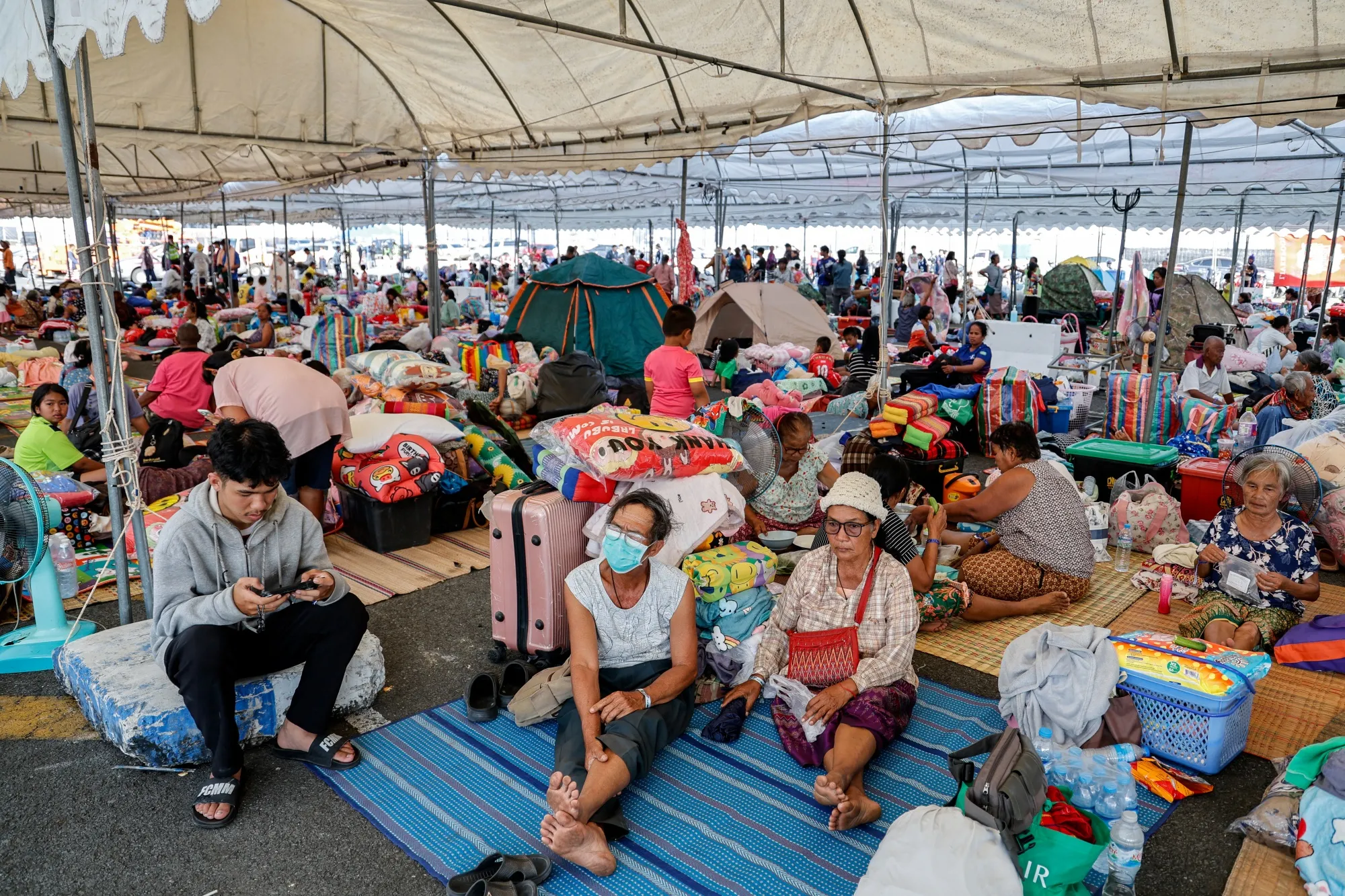
Border clashes escalate along the Cambodia frontier after fresh rounds of shelling killed civilians and wounded several others, triggering alarm across Southeast Asia. The incident has intensified regional tensions, with neighbouring governments calling for immediate restraint and diplomatic intervention to prevent a wider conflict.
The violence marks one of the most serious escalations in recent months along disputed sections of the border. Initial reports indicate that artillery fire struck civilian zones, prompting urgent evacuation efforts and heightened military alertness on both sides of the frontier.
Details of the shelling incident and secondary conflict triggers emerging
The shelling occurred in a border district where military patrols have been active following earlier confrontations. Secondary conflict triggers include long standing territorial disputes, increased troop movement and accusations of airspace violations. Local officials confirmed that residential structures were damaged, and emergency services struggled to reach affected villages due to continued firing in adjacent areas.
Witnesses described panic as families attempted to flee towards safer zones. The presence of unexploded ordnance and damaged roads complicated rescue efforts. Civilian casualties have increased public pressure on authorities to address the crisis urgently. Hospitals in nearby towns are treating injuries ranging from shrapnel wounds to blast trauma.
While the exact sequence of hostilities remains under investigation, cross border allegations suggest that both sides had exchanged fire throughout the week, raising the risk of miscalculation.
Regional response, diplomatic pressure and secondary humanitarian concerns
Regional blocs are intensifying diplomatic pressure to prevent further escalation. Secondary humanitarian concerns, including displacement risk and scarcity of medical supplies, are being closely monitored. Human rights groups have urged both sides to establish humanitarian corridors for civilian evacuation and to respect international obligations regarding the protection of non combatants.
Neighbouring governments have expressed apprehension that the conflict could spill over into trade routes and migrant worker zones. Some nations have begun reviewing travel advisories and preparing contingency plans for citizens residing near the affected border regions. Aid agencies have flagged the need for temporary shelters if the violence continues.
Diplomatic channels are now focused on achieving a ceasefire, with envoys pushing for emergency talks. Analysts note that regional stability hinges on preventing small scale clashes from escalating into sustained military operations.
Historical context, territorial disputes and secondary military dynamics
The affected border area has seen periodic clashes rooted in unresolved territorial disputes dating back decades. Secondary military dynamics, such as the construction of new outposts, patrol expansion and infrastructure development near contested zones, have raised tensions in recent years. Previous ceasefire agreements temporarily reduced hostilities, but trust deficits have persisted between the two nations.
Military analysts believe that increased deployment along both sides of the border has created a fragile environment where minor incidents can quickly escalate. The terrain, characterised by dense forests and uneven boundary markings, complicates monitoring efforts. Satellite imagery from earlier months showed new defense structures that contributed to rising suspicion between the countries.
The region’s strategic value, including access routes and natural resources, further complicates negotiations. Diplomatic efforts have struggled to produce lasting solutions due to overlapping historical claims and periodic political instability.
Risk of escalation, economic impact and secondary regional security implications
The risk of escalation remains high if diplomatic mechanisms fail to contain the conflict. Secondary regional security implications include disruption to supply chains, reduced trade flows and increased defence spending among neighbouring states. Border markets and transportation networks have already experienced temporary closures as authorities prioritise security measures.
Tourism dependent districts near the border are also bracing for economic fallout. Travel operators report cancellations ahead of peak season, while businesses fear prolonged instability could weaken recovery efforts. Regional security experts warn that prolonged clashes could draw in external actors or necessitate peacekeeping intervention if violence intensifies.
Governments across Southeast Asia are emphasising the need for restraint and coordinated monitoring. The situation will remain volatile until both sides commit to de escalation and renewed dialogue.
Takeaways
Shelling in Cambodia killed civilians and escalated border tensions sharply
Territorial disputes and increased troop movements contributed to the flare up
Regional governments and aid groups are calling for urgent diplomatic action
Economic and security risks could expand if hostilities continue unchecked
FAQs
What triggered the latest border clashes
Long standing territorial disputes, increased military patrols and recent confrontations contributed to the exchange of fire.
How many civilians were affected by the shelling
Confirmed casualties include multiple deaths and injuries, with several homes and structures damaged in the affected district.
Are diplomatic efforts underway to reduce tensions
Yes, regional blocs and neighbouring governments are pushing for immediate dialogue and a temporary ceasefire.
Could the conflict escalate further
Without de escalation measures, troop deployments and rising mistrust could increase the risk of broader confrontation.