






Now Reading: SBI Cuts Lending Rates After RBI Policy Rate Move
-
01
SBI Cuts Lending Rates After RBI Policy Rate Move
SBI Cuts Lending Rates After RBI Policy Rate Move
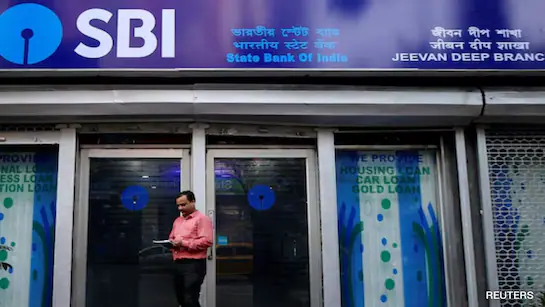
SBI cuts lending rates following the latest RBI policy rate move, offering relief to borrowers across home, auto, and personal loan segments. The rate adjustment reflects transmission of monetary policy and is expected to influence borrowing costs across India’s banking system.
The SBI lending rate cut comes soon after the Reserve Bank of India adjusted its policy rate, signaling a shift in monetary stance aimed at balancing inflation control with economic growth. As the country’s largest public sector bank, State Bank of India’s decision carries weight, often setting the tone for other lenders. The move is expected to reduce equated monthly instalments for existing borrowers and make new loans more affordable.
RBI Policy Rate Move Sets the Context
The RBI policy rate move refers to the central bank’s decision to adjust the repo rate, which is the rate at which banks borrow short term funds from the RBI. When the RBI changes this benchmark, it directly affects the cost of funds for banks. In this case, the policy rate adjustment created room for banks to revisit their lending rates.
The RBI’s decision was guided by macroeconomic indicators such as inflation trends, liquidity conditions, and growth outlook. With inflation showing signs of moderation and the need to support consumption and investment, the central bank’s stance allowed banks like SBI to pass on benefits to customers through lower lending rates.
How SBI Implemented the Lending Rate Cut
SBI primarily lends using external benchmark linked rates, especially the repo linked lending rate. Following the RBI policy rate move, SBI reduced its lending rates by a corresponding margin, ensuring quicker transmission compared to the older base rate system.
For borrowers, this means home loans, auto loans, and certain personal loans linked to external benchmarks will see immediate or near immediate impact. Existing customers with floating rate loans linked to the repo rate are likely to benefit automatically, while new borrowers will be offered loans at revised lower rates. The bank’s marginal cost of funds based lending rate may also see recalibration, affecting specific loan products.
Impact on Home Loan and Retail Borrowers
The SBI lending rate cut is particularly significant for home loan borrowers, as housing loans form a large share of retail credit. A reduction in lending rates lowers monthly repayments, improving affordability and potentially boosting housing demand. For long tenure loans, even a small rate cut can result in substantial interest savings over time.
Auto loans and personal loans linked to the revised rates will also become slightly cheaper. This could encourage discretionary spending, especially during festive and seasonal demand periods. Retail borrowers are expected to reassess refinancing options, though experts advise factoring in processing fees and tenure changes before switching lenders.
Effect on Corporate and MSME Borrowing
Beyond retail credit, SBI’s rate cut has implications for corporate and MSME borrowers. Lower lending rates reduce borrowing costs for businesses, potentially improving cash flow and investment capacity. For small and medium enterprises, which are sensitive to interest rate changes, the move could ease financial pressure and support expansion plans.
Corporate borrowers with loans linked to external benchmarks may see faster benefits, while those on fixed or MCLR linked loans may experience delayed or negotiated adjustments. The banking sector views such rate cuts as supportive of credit growth, especially in sectors showing early signs of recovery.
Why SBI’s Decision Matters for the Banking Sector
As India’s largest lender by assets and customer base, SBI’s actions often influence market behavior. When SBI cuts lending rates, other public and private sector banks typically follow to remain competitive. This creates a broader easing of credit conditions across the economy.
The SBI lending rate cut also signals confidence in liquidity conditions and asset quality. Banks are more willing to reduce rates when they are comfortable with balance sheet health and expect stable repayment behavior. Analysts see this as part of a gradual shift toward supporting growth without compromising financial stability.
What Borrowers Should Do Next
Borrowers are advised to check whether their loans are linked to external benchmarks such as the repo rate. Those with floating rate loans should confirm if the rate reduction has been passed on automatically. In some cases, banks adjust tenure instead of EMI, so reviewing loan statements is important.
New borrowers may consider locking in loans at current rates if they expect rates to rise in the future. However, financial planners suggest focusing on overall affordability rather than short term rate movements. Maintaining credit discipline remains crucial even as borrowing becomes cheaper.
Broader Economic Implications
Lower lending rates can stimulate consumption and investment, contributing to economic momentum. Housing, automobiles, and infrastructure sectors are particularly sensitive to interest rate changes. The SBI rate cut, combined with the RBI policy rate move, may support demand in these areas.
At the same time, economists caution that rate cuts alone cannot drive growth. Structural reforms, fiscal support, and global economic conditions also play significant roles. The current move is best seen as part of a coordinated effort to maintain growth while keeping inflation in check.
What to Expect Going Forward
Future lending rate movements will depend on inflation data, global interest rate trends, and RBI policy signals. If inflation remains under control, further easing cannot be ruled out. However, banks will balance rate cuts with the need to protect margins and manage risk.
For now, the SBI lending rate cut represents tangible relief for borrowers and a positive signal for credit markets. Its real impact will unfold over the coming months as demand responds to lower borrowing costs.
Takeaways
- SBI cut lending rates after the RBI policy rate adjustment
- Home loan and retail borrowers are expected to see EMI relief
- Corporate and MSME borrowing costs may ease
- Other banks may follow SBI’s lead, improving credit conditions
FAQs
Why did SBI cut its lending rates now?
SBI reduced rates to align with the RBI policy rate move, lowering its cost of funds and enabling faster policy transmission.
Will existing SBI borrowers benefit automatically?
Borrowers with loans linked to external benchmarks usually see automatic rate adjustments, subject to loan terms.
Which loans are most affected by the rate cut?
Home loans, auto loans, and other floating rate retail loans linked to the repo rate are most impacted.
Can rates go down further in the future?
Future cuts depend on inflation trends, RBI policy decisions, and overall economic conditions.