








Now Reading: Single Watchdog Planned For Higher Education Under New Viksit Bill
-
01
Single Watchdog Planned For Higher Education Under New Viksit Bill
Single Watchdog Planned For Higher Education Under New Viksit Bill
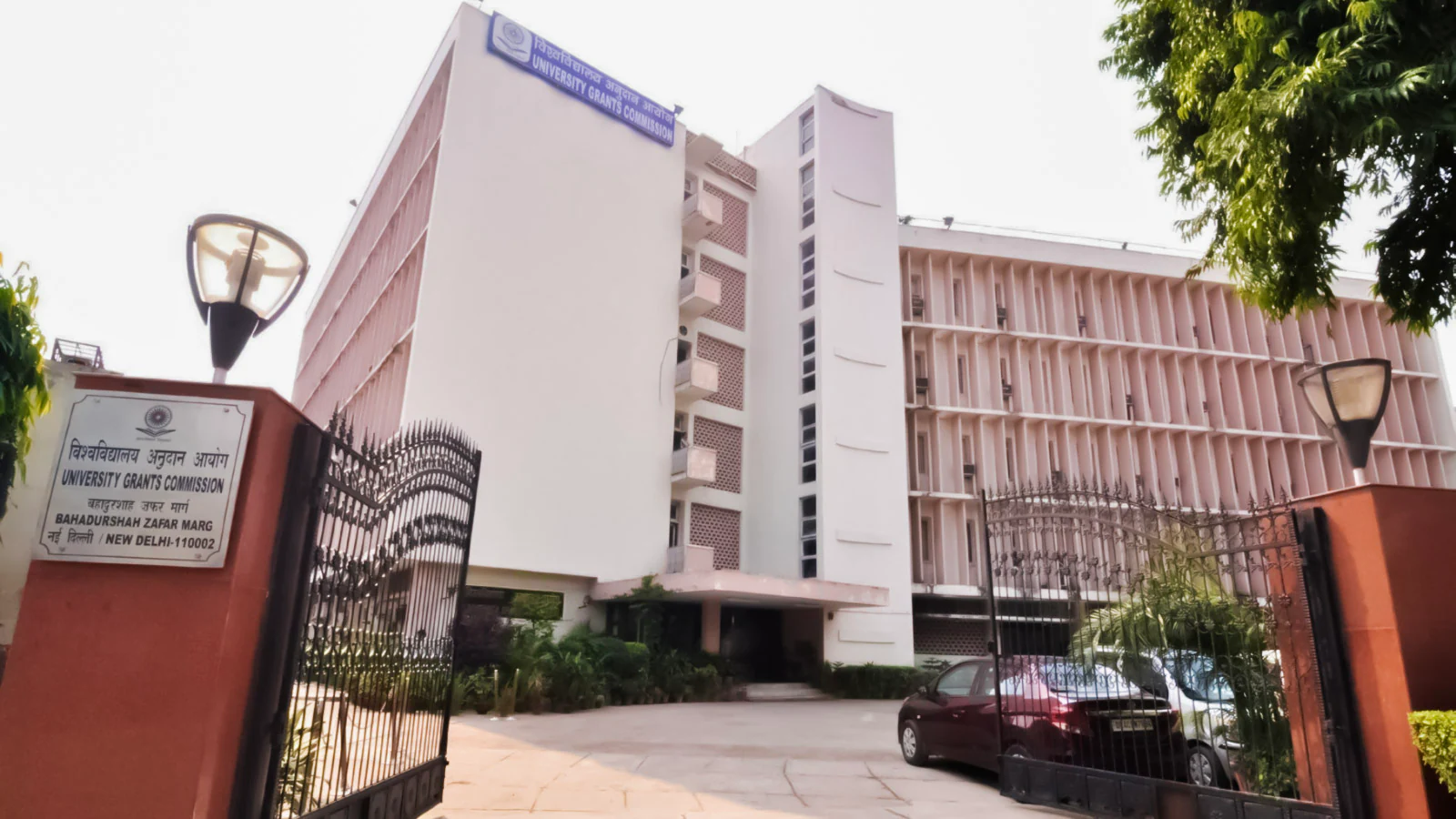
The Single watchdog for higher education under the new Viksit Bill signals a major structural reform in India’s education governance. The proposed legislation aims to consolidate regulatory oversight, reduce fragmentation, and improve accountability across universities and colleges nationwide.
The Single watchdog for higher education has been proposed as part of the government’s broader Viksit Bharat reform agenda. The Bill seeks to replace the current multi regulator system with a unified authority responsible for standards, accreditation, funding coordination, and institutional oversight. Officials argue that the existing framework has led to duplication, delays, and inconsistent policy implementation, affecting the quality and global competitiveness of Indian higher education.
Why the Government Wants a Single Higher Education Regulator
India’s higher education sector is currently overseen by multiple bodies, each handling different aspects such as funding, technical education, accreditation, and professional standards. Over time, this structure has been criticised for regulatory overlap and bureaucratic inefficiency. Institutions often face parallel compliance requirements, slowing decision making and innovation.
The Viksit Bill proposes a single watchdog to streamline governance and ensure uniform standards. The government believes that a central authority will reduce regulatory confusion, improve transparency, and allow institutions to focus more on teaching, research, and student outcomes rather than administrative compliance.
Key Powers Proposed Under the Viksit Bill
Under the new framework, the Single watchdog for higher education is expected to have wide ranging responsibilities. These include setting academic benchmarks, overseeing accreditation processes, monitoring institutional performance, and coordinating funding mechanisms. The authority may also play a role in approving new institutions and programs based on national priorities.
The Bill emphasizes outcome based regulation rather than input driven controls. This shift is intended to encourage universities to innovate while remaining accountable for quality. Digital monitoring systems and periodic performance reviews are expected to replace rigid inspection based models.
Impact on Universities and Colleges
For public and private institutions alike, the proposed watchdog could significantly alter day to day operations. A unified regulator may simplify approval processes for new courses, faculty recruitment norms, and research collaborations. Institutions that meet quality benchmarks may gain greater academic autonomy.
However, some education leaders have expressed cautious optimism. While simplification is welcomed, concerns remain about excessive centralisation. Universities fear that a powerful single authority could limit institutional diversity if not designed with adequate checks and decentralised decision making mechanisms.
What This Means for Students and Faculty
Students stand to benefit from more consistent academic standards across institutions. A single watchdog could improve degree credibility, reduce disparities in quality, and strengthen grievance redress mechanisms. Improved oversight may also enhance employability by aligning curricula with national skill and research priorities.
For faculty, the reform could bring clearer recruitment norms, performance evaluation frameworks, and research funding pathways. At the same time, academic freedom remains a key concern. Experts stress that the watchdog’s role should focus on quality assurance rather than micromanaging academic content.
Alignment With National Education Policy Goals
The Viksit Bill aligns closely with the objectives outlined in the National Education Policy. NEP calls for holistic regulation, multidisciplinary institutions, and reduced regulatory burden. A Single watchdog for higher education is positioned as the institutional mechanism to implement these reforms effectively.
The Bill also reflects India’s ambition to become a global education hub. A coherent regulatory system is seen as essential for attracting international students, enabling foreign university collaborations, and improving global rankings. Policymakers argue that fragmented oversight has been a barrier to global integration.
Concerns Raised by Opposition and Experts
Despite the reform intent, the proposal has sparked debate. Opposition parties and education experts have raised questions about accountability, federal balance, and stakeholder representation. Education is a concurrent subject, and states have a significant role in managing universities and colleges.
Critics argue that a single national watchdog must ensure meaningful state participation to avoid central overreach. Others caution that merging regulators with different mandates could dilute specialised expertise unless the authority is structured with functional divisions and independent oversight.
Transition Challenges and Implementation Timeline
Implementing a Single watchdog for higher education will require careful transition planning. Existing regulatory bodies will need to be merged or restructured, staff reassigned, and legal frameworks updated. Institutions may face short term uncertainty as new rules and processes are rolled out.
The government has indicated that stakeholder consultations will continue before final implementation. Phased execution is expected to minimise disruption. Clear communication will be critical to ensure that universities, faculty, and students understand the new system and compliance expectations.
Long Term Implications for Indian Higher Education
If implemented effectively, the Viksit Bill could mark a turning point for India’s higher education ecosystem. A transparent and efficient regulator could support quality expansion while maintaining standards. The success of the reform will depend on balancing autonomy with accountability.
Experts note that structural reform alone is not sufficient. Adequate funding, faculty development, and research support must accompany regulatory changes. The Single watchdog model will be judged not by its design but by how it improves learning outcomes and institutional performance over time.
What Happens Next in the Legislative Process
The Bill is expected to be debated in Parliament, where amendments may be proposed based on stakeholder feedback. Parliamentary scrutiny will focus on the scope of powers, safeguards against misuse, and alignment with constitutional provisions.
As discussions progress, universities and education bodies are preparing to engage with policymakers. The outcome will shape the future governance of higher education in India for decades to come.
Takeaways
- The Viksit Bill proposes a single watchdog for higher education regulation
- The move aims to reduce overlap and improve accountability
- Universities may gain simplified processes but fear centralisation
- Effective implementation will determine long term success
FAQs
What is the Single watchdog for higher education?
It is a proposed unified regulatory authority to oversee standards, accreditation, and governance of higher education institutions.
Why is the government introducing this reform?
To reduce regulatory fragmentation, improve quality, and align higher education with national development goals.
Will states lose control over education?
The government has indicated that state participation will remain, though the exact balance will depend on the final structure.
When will the new system come into effect?
A specific timeline has not been announced and implementation is expected to be phased after legislative approval.