







Now Reading: Winter Health Advisory Issued as Flu Cases Rise in Cities
-
01
Winter Health Advisory Issued as Flu Cases Rise in Cities
Winter Health Advisory Issued as Flu Cases Rise in Cities
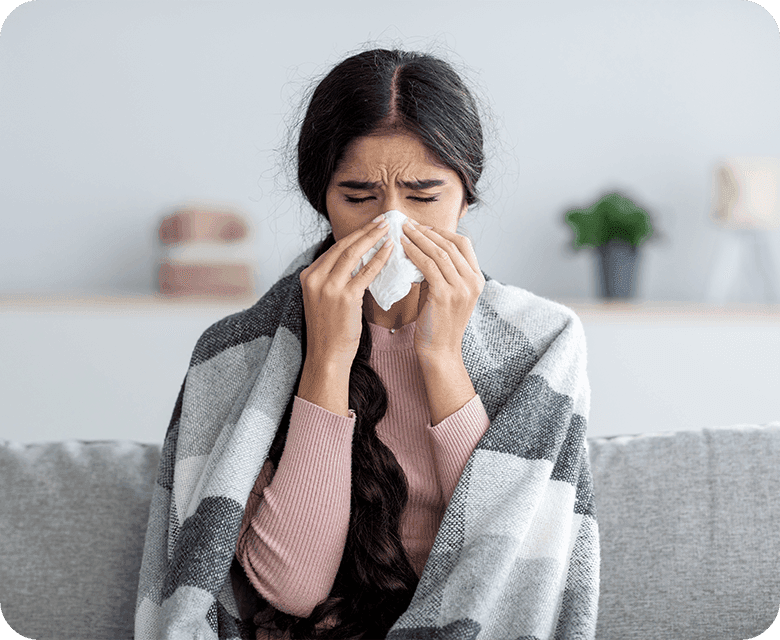
A winter health advisory has been issued as flu cases rise across major Indian cities, prompting health authorities to urge caution during the peak cold season. Hospitals are reporting higher outpatient visits, while officials stress early prevention, timely care, and community level awareness.
Winter health advisory issued as flu cases rise reflects a seasonal but time sensitive public health development. Urban centres are witnessing an increase in influenza like illness as temperatures fall and air quality fluctuates. The advisory focuses on reducing transmission in densely populated areas where daily commuting, indoor crowding, and pollution increase infection risk. Health departments are emphasizing preparedness rather than alarm, aiming to limit strain on healthcare facilities during winter months.
Why flu cases rise during winter months
Flu cases tend to increase in winter due to a combination of environmental and behavioural factors. Cold weather leads people to spend more time indoors with limited ventilation, which facilitates virus transmission. Lower temperatures and reduced humidity help respiratory viruses survive longer in the air and on surfaces. In cities, pollution further irritates airways, making people more susceptible to infections. Seasonal changes also affect immunity, especially among children and older adults. The winter health advisory highlights these risks to encourage early preventive action.
Cities reporting higher flu like illness
Major metropolitan areas and tier two cities are seeing a noticeable rise in flu related symptoms such as fever, cough, sore throat, body aches, and fatigue. Clinics report higher footfall, particularly among school going children, office commuters, and elderly residents. While most cases remain mild, health officials are monitoring trends closely to prevent escalation. The advisory urges urban residents to avoid overcrowded spaces when possible and to seek medical attention if symptoms persist beyond a few days.
Key points of the winter health advisory
The winter health advisory outlines practical steps to reduce flu transmission and protect vulnerable groups. Emphasis is placed on respiratory hygiene, including covering mouth and nose while coughing or sneezing and regular hand washing. The advisory also stresses staying home during illness to prevent spread. Use of masks in crowded indoor spaces is recommended, especially for individuals with existing respiratory conditions. The guidance is designed to be easy to follow and effective at the community level.
Who is most at risk during this flu surge
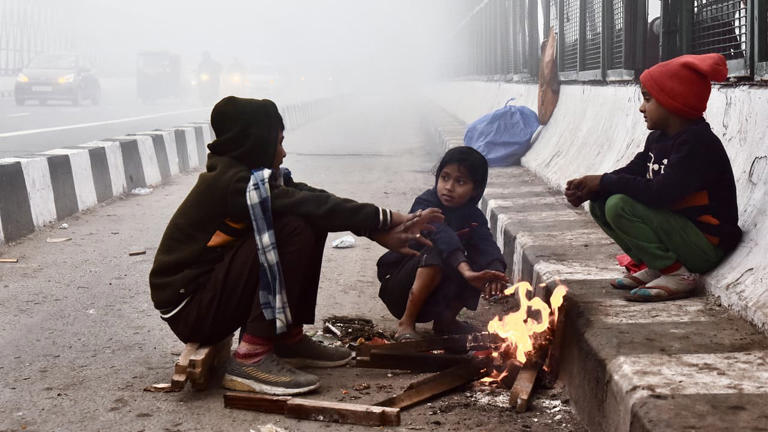
Certain groups face higher risk during winter flu outbreaks. Elderly individuals, young children, pregnant women, and people with chronic illnesses such as asthma, diabetes, or heart disease are more vulnerable to complications. Urban homeless populations and outdoor workers also face increased exposure due to prolonged cold exposure and limited access to healthcare. The winter health advisory specifically calls for targeted care and outreach for these groups, including timely vaccination where advised by medical professionals.
Hospitals and healthcare system preparedness
Healthcare facilities in cities have been advised to prepare for increased patient inflow. Hospitals are strengthening triage systems to distinguish flu cases from other respiratory illnesses. Doctors are being encouraged to promote early diagnosis and home based care for mild cases to reduce unnecessary hospital visits. Pharmacies report steady demand for flu related medications, while health workers stress responsible use of antibiotics, which are ineffective against viral infections. The advisory underlines the importance of not self medicating without medical advice.
Role of schools and workplaces
Schools and workplaces play a crucial role in controlling flu spread. Educational institutions are being advised to monitor absenteeism and encourage sick students to rest at home. Workplaces are encouraged to promote flexible sick leave policies during peak flu season. Simple measures such as regular cleaning of shared surfaces, improved ventilation, and health awareness messaging can significantly reduce transmission. The winter health advisory stresses collective responsibility to limit outbreaks in shared environments.
Air quality and its link to winter illnesses
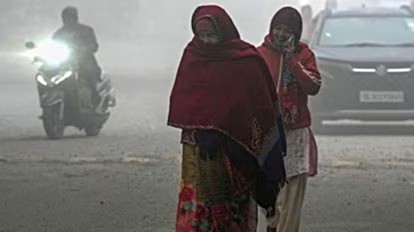
In many cities, winter coincides with deteriorating air quality, which worsens respiratory health. Poor air quality weakens lung defence mechanisms, making infections more severe. Health experts advise limiting outdoor activity during high pollution periods and using protective masks if exposure is unavoidable. The advisory indirectly links pollution management and flu prevention, highlighting the need for broader urban health planning during winter.
What residents should do now
Residents are encouraged to remain vigilant without panic. Maintaining personal hygiene, staying hydrated, eating balanced meals, and getting adequate sleep help strengthen immunity. People experiencing symptoms such as high fever, breathlessness, or chest pain should seek medical care promptly. The winter health advisory serves as a reminder that simple preventive steps can significantly reduce the impact of seasonal flu when followed consistently.
Outlook for the winter season
Flu cases are expected to remain elevated through the core winter period before tapering off as temperatures rise. Health authorities will continue monitoring trends and may update advisories if required. Public cooperation remains key to managing the seasonal surge. The current advisory is aimed at ensuring that cities remain prepared and that preventable complications are avoided through awareness and early action.
Takeaways
Winter health advisory issued as flu cases rise in cities
Urban crowding and cold weather are driving transmission
Vulnerable groups need extra protection and early care
Simple hygiene and timely medical attention can reduce impact
FAQs
Why do flu cases increase during winter?
Cold weather, indoor crowding, and lower immunity contribute to higher flu transmission during winter.
What symptoms should prompt medical attention?
Persistent fever, breathing difficulty, chest pain, or symptoms lasting more than a few days require medical evaluation.
Are masks recommended during the flu season?
Yes, masks are advised in crowded indoor spaces, especially for high risk individuals.
Can flu be managed at home?
Mild cases can often be managed at home with rest and medical guidance, but severe symptoms need professional care.