






Now Reading: Nagpur Civic Body Plans Crackdown on Illegal Constructions
-
01
Nagpur Civic Body Plans Crackdown on Illegal Constructions
Nagpur Civic Body Plans Crackdown on Illegal Constructions
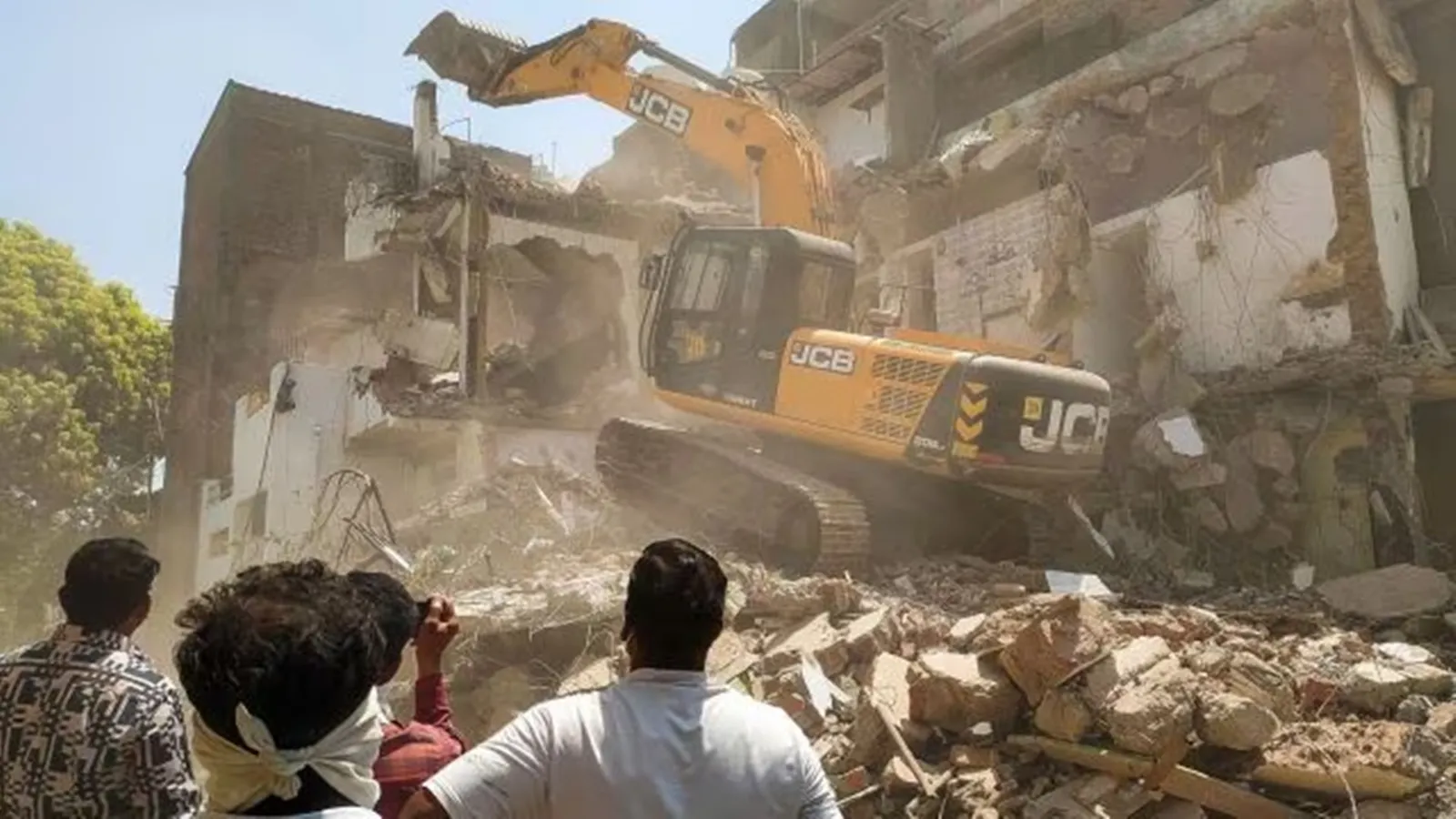
Nagpur civic body plans crackdown on illegal constructions as authorities move to tighten enforcement against unauthorised buildings, layout violations, and illegal commercial use of residential properties. The action aims to address safety risks, infrastructure strain, and long pending complaints across the city.
The topic is time sensitive and news driven. The tone below reflects current administrative action, enforcement planning, and ground level civic concerns.
Civic Body Steps Up Action Against Illegal Constructions
Nagpur civic body plans crackdown on illegal constructions following a rise in complaints related to unauthorised buildings and encroachments. Civic officials have indicated that enforcement drives will intensify in residential and commercial pockets where violations have repeatedly surfaced.
Illegal constructions have emerged as a serious urban challenge in Nagpur, affecting planned development and public safety. Structures built without approvals often ignore fire norms, parking requirements, and setback rules, creating long term risks for residents.
The civic administration has signalled that warning notices issued earlier will now be followed by stricter action. Properties found violating sanctioned plans may face sealing, demolition, or legal penalties depending on the nature and scale of the offence.
Focus Areas Identified for Enforcement Drives
Civic surveys and ward level inspections have helped authorities identify high risk zones for illegal construction activity. These include rapidly developing residential layouts, mixed use areas, and older neighbourhoods where unauthorised extensions are common.
Commercial misuse of residential properties is also under scrutiny. Shops, offices, and godowns operating without conversion permissions add pressure on roads, drainage, and water supply systems.
Officials have stated that repeated offenders and builders involved in large scale violations will be prioritised. The objective is to send a strong signal that non compliance will no longer be overlooked due to political or local pressure.
Safety and Infrastructure Concerns Drive the Crackdown
The decision to act against illegal constructions is closely linked to public safety concerns. Unauthorised buildings often lack proper structural design, increasing risks during heavy rainfall, fire incidents, or earthquakes.
Civic engineers have flagged that such constructions overload existing infrastructure. Roads designed for residential traffic are unable to handle commercial movement, while sewer and water lines face frequent breakdowns.
Emergency access is another concern. Narrow lanes blocked by illegal extensions make it difficult for fire engines and ambulances to operate, endangering lives during critical situations.
Legal Process and Civic Enforcement Measures
The civic body has outlined a structured enforcement process to handle illegal constructions. This includes physical verification of properties, cross checking approved building plans, and issuing notices to violators.
Property owners are usually given an opportunity to respond or rectify deviations within a limited timeframe. Failure to comply may result in sealing of premises, disconnection of utilities, or demolition drives.
Officials have clarified that regularisation will not be an option for constructions that violate safety norms or encroach on public land. Legal action may also be initiated against builders who knowingly bypassed approval procedures.
Impact on Residents and Property Owners
For residents, the crackdown may bring short term inconvenience but long term benefits. Removal of illegal structures can improve access, reduce congestion, and enhance neighbourhood safety.
However, property owners involved in violations may face financial losses. Civic authorities have urged citizens to verify approvals before purchasing or modifying properties.
Tenant awareness is also being highlighted. Occupants renting illegally constructed spaces could face eviction if enforcement actions proceed, making due diligence essential in the current environment.
Role of Public Complaints and Digital Monitoring
Public complaints have played a key role in triggering enforcement actions. Civic officials have acknowledged that resident inputs help identify violations that may otherwise go unnoticed.
Digital monitoring tools, satellite imagery, and ward level reporting systems are increasingly being used to track construction activity. This reduces reliance on manual inspections and limits opportunities for misuse.
Authorities have encouraged citizens to report suspected illegal constructions through official grievance platforms, assuring confidentiality and timely action.
Long Term Urban Planning Implications
The crackdown reflects a broader push toward planned urban growth in Nagpur. As the city expands, controlling illegal constructions is critical to ensuring sustainable development.
Urban planners note that unchecked violations undermine zoning plans and strain civic resources. Strict enforcement today can prevent larger redevelopment challenges in the future.
The civic body has indicated that this drive will not be a one time action but part of an ongoing monitoring framework aimed at improving compliance across the city.
Takeaways
Nagpur civic body is intensifying action against illegal constructions
Safety risks and infrastructure strain are key reasons behind the crackdown
Repeated violators and large scale builders will face strict penalties
Public complaints and digital monitoring are driving enforcement efforts
FAQs
What qualifies as an illegal construction in Nagpur?
Any building or extension made without approval or in violation of sanctioned plans is considered illegal.
Will all illegal constructions be demolished?
Action depends on the severity of violations, but unsafe structures and encroachments face demolition.
Can property owners regularise illegal constructions?
Regularisation is limited and not allowed for safety violations or public land encroachments.
How can citizens report illegal constructions?
Complaints can be submitted through official civic grievance channels or ward offices.