




Now Reading: School Winter Vacations Extended in Several Indian States
-
01
School Winter Vacations Extended in Several Indian States
School Winter Vacations Extended in Several Indian States
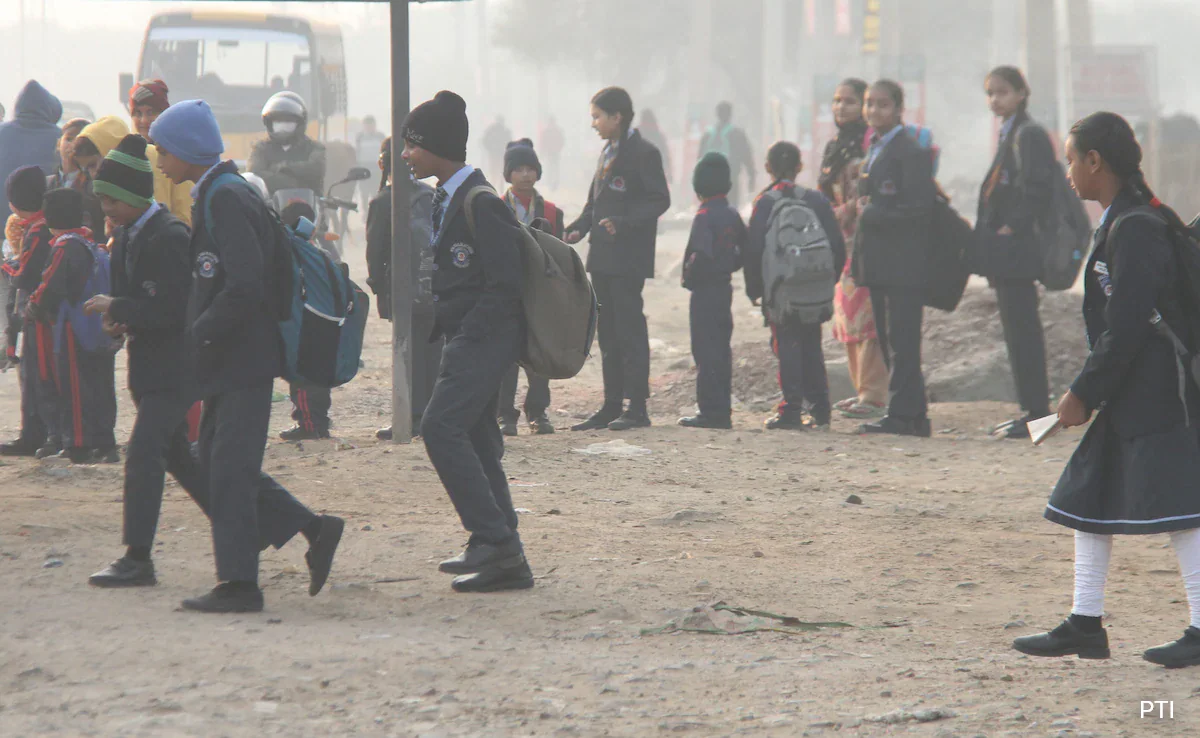
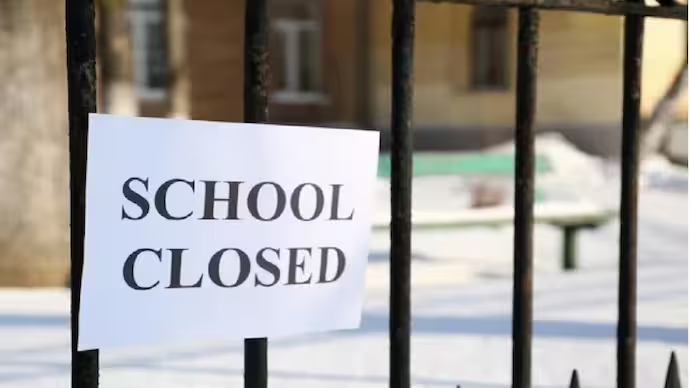
School winter vacations have been extended in several Indian states as authorities respond to severe cold wave conditions, rising health concerns among children, and fluctuating weather patterns. The decision affects government and private schools, with revised reopening dates aimed at safeguarding student wellbeing.
The topic is time sensitive and news driven. The tone below reflects recent administrative decisions, weather impact, and practical implications for students and parents.
Cold Wave Conditions Prompt Extension of Winter Vacations
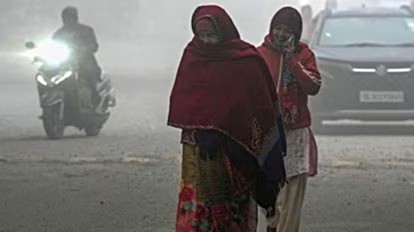
School winter vacations extended in several Indian states follow a sharp dip in temperatures across northern and central regions. Prolonged cold spells, dense fog, and low visibility during morning hours have disrupted normal routines, particularly for young students.
State education departments and district administrations reviewed weather forecasts and health advisories before announcing extensions. In many regions, minimum temperatures dropped well below seasonal averages, increasing risks of respiratory infections, hypothermia, and viral illnesses among children.
Authorities have clarified that the decision is preventive rather than reactive. The aim is to reduce exposure during peak cold hours when students travel to schools early in the morning, often using open or poorly heated transport.
States and Regions Most Affected by the Decision
Northern Indian states have been the most impacted, with cold wave alerts issued in multiple districts. Schools in parts of North India, central India, and select eastern regions have adjusted their academic calendars accordingly.
Urban centres as well as rural areas are affected, though rural students face greater challenges due to longer travel distances and limited winter infrastructure. In hill states and cold prone plains, extended vacations are seen as necessary to avoid health emergencies.
Education officials have indicated that extensions may vary by district based on local weather conditions. This flexible approach allows administrations to respond quickly if temperatures continue to fall or if fog conditions worsen.
Health and Safety Concerns Behind the Move
Health concerns remain the primary driver behind extending school winter vacations. Doctors and public health experts have consistently warned that children are more vulnerable to cold related illnesses, especially during early morning exposure.
Common issues include cough, cold, asthma flare ups, and seasonal infections that spread rapidly in crowded classrooms. Prolonged cold exposure can also weaken immunity, leading to higher absenteeism even after schools reopen.
By extending vacations, authorities aim to break transmission cycles and reduce strain on local healthcare facilities. Schools have also been advised to avoid outdoor activities and assemblies once classes resume.
Impact on Academic Calendars and Examinations
The extension of winter vacations has raised questions around syllabus completion and examination schedules. Education departments have reassured parents that academic loss will be managed through adjusted timetables and focused teaching plans.
In most cases, schools are expected to compensate by shortening revision periods or modifying daily schedules rather than extending the academic year. Teachers may be asked to prioritise core subjects and essential topics once classes restart.
Board examination timelines remain unchanged for now, but internal assessments and unit tests may be rescheduled. Schools are being encouraged to communicate revised plans clearly to avoid confusion among students and parents.
Parents and Schools Adjust to Extended Holidays
For parents, the extension brings mixed reactions. While health and safety are welcomed priorities, working parents face challenges managing childcare during unexpected holidays.
Schools have been asked to provide clear reopening dates and avoid last minute changes wherever possible. Some institutions are sharing study guidelines or light revision tasks to help students stay academically engaged without pressure.
Private schools in urban areas are also exploring limited online engagement for senior classes, though authorities have cautioned against making digital learning mandatory during vacation periods.
Weather Outlook and Possibility of Further Extensions
Weather forecasts will play a crucial role in determining whether further extensions are required. Meteorological agencies have predicted continued cold conditions in some regions, with intermittent relief expected later in the season.
State governments have kept the option of additional extensions open if cold wave alerts persist. District collectors and education officers have been authorised to take quick decisions based on local ground conditions.
Parents are advised to monitor official announcements rather than relying on informal updates. Authorities have warned against misinformation spreading through social media regarding reopening dates.
Long Term Considerations for Winter Schooling
The recurring need to extend school winter vacations has sparked discussions about long term solutions. Education planners are considering flexible winter schedules, delayed school timings, and infrastructure upgrades such as heated classrooms in colder regions.
Some states are reviewing the feasibility of staggered start times during peak winter weeks to reduce early morning exposure. These measures could help balance academic continuity with student health in future years.
For now, the focus remains on navigating the current cold spell responsibly while ensuring minimal disruption to learning outcomes.
Takeaways
School winter vacations have been extended due to severe cold conditions
Health and safety of students is the primary reason behind the decision
Academic schedules will be adjusted to manage learning loss
Further extensions depend on evolving weather conditions
FAQs
Why are school winter vacations being extended?
Extensions are due to cold wave conditions and health risks associated with early morning exposure.
Which students are most affected by the extension?
Primary and middle school students are most impacted, though decisions apply to all classes.
Will exams be postponed because of extended vacations?
Board exam schedules remain unchanged, but internal assessments may be adjusted.
How should parents stay updated on reopening dates?
Parents should rely on official announcements from schools and education departments.