





Now Reading: Global Markets End Year Volatile as Investors Await 2026 Signals
-
01
Global Markets End Year Volatile as Investors Await 2026 Signals
Global Markets End Year Volatile as Investors Await 2026 Signals
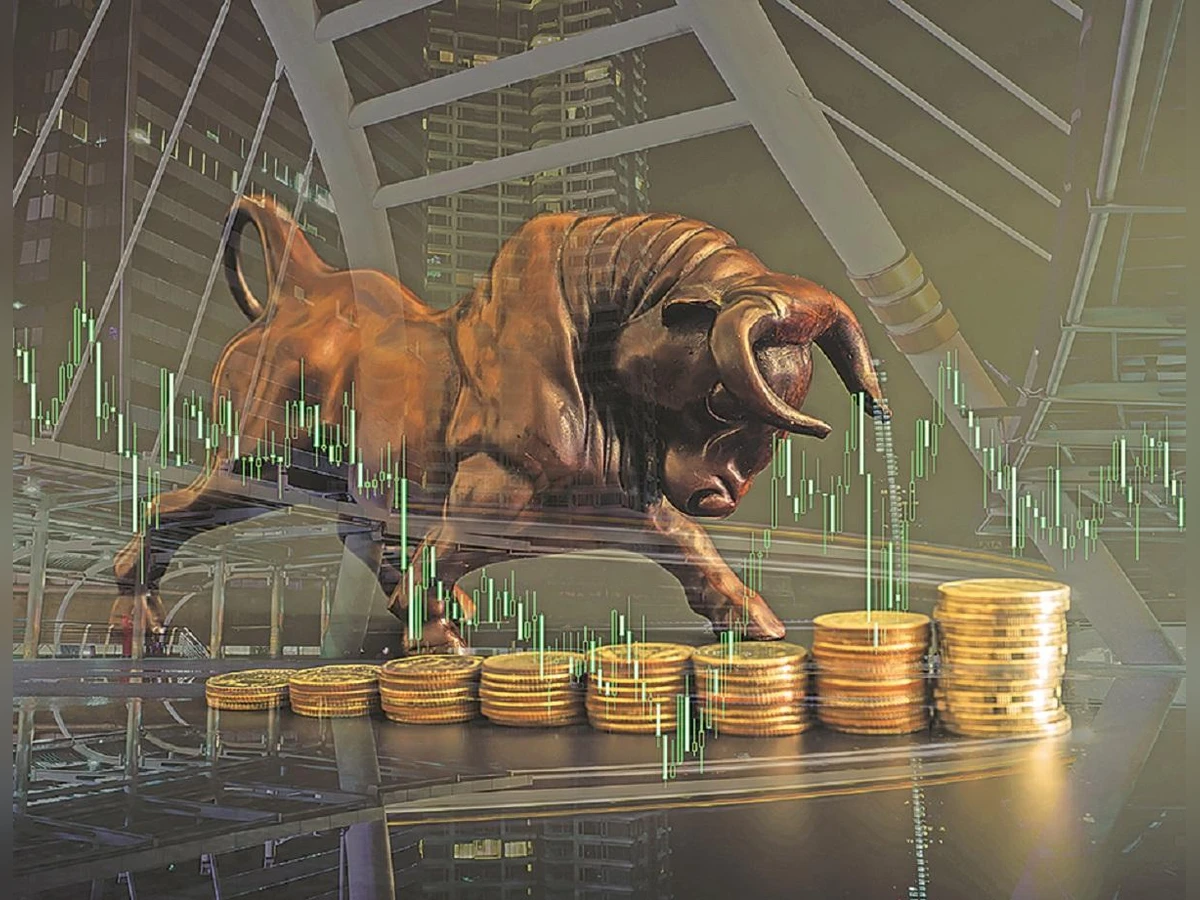
Global markets end the year volatile as investors await 2026 signals on interest rates, economic growth, and geopolitical stability. Sharp swings across equities, bonds, and currencies reflect cautious positioning, with participants avoiding aggressive bets ahead of a year expected to bring major policy and macro shifts.
The topic is time sensitive and news driven. The tone below reflects current market behaviour, investor sentiment, and realistic year end positioning across global financial markets.
Year End Volatility Defines Global Market Sentiment
Global markets ending the year volatile is the result of unresolved uncertainty rather than sudden shocks. Equity indices across major economies have seen alternating rallies and pullbacks as investors reassess risk almost daily.
Trading volumes typically thin out toward year end, amplifying price movements. Even modest news triggers outsized reactions when liquidity drops. This has made markets appear more unstable than underlying fundamentals alone would suggest.
Investors are closing positions, booking profits, and rebalancing portfolios to align with expected trends in 2026. This defensive activity has kept volatility elevated across asset classes rather than concentrated in a single market.
Interest Rate Outlook Remains the Central Market Driver
Interest rate expectations remain the single biggest factor influencing global markets. While aggressive tightening cycles appear largely complete, uncertainty over the timing and pace of future rate cuts continues to unsettle investors.
Central banks have adopted a cautious stance, emphasising data dependence over forward guidance. This has limited clarity on borrowing costs, impacting equity valuations and bond yields.
Bond markets have been particularly sensitive. Yields have moved sharply on inflation data, employment numbers, and policy commentary. These fluctuations feed directly into equity pricing models, adding to broader market volatility.
Equity Markets Swing Between Optimism and Caution
Equity markets have struggled to establish clear direction as the year closes. Optimism around resilient corporate earnings is being offset by concerns over slowing growth in key economies.
Technology and growth stocks have shown heightened sensitivity to interest rate signals, while defensive sectors attract intermittent inflows during risk off phases. This rotation reflects uncertainty rather than conviction.
Emerging markets have faced additional pressure from currency movements and capital flow volatility. Investors remain selective, favouring markets with stable policy frameworks and manageable external balances.
Currency and Commodity Markets Reflect Global Unease
Currency markets have mirrored the volatility seen in equities. Shifts in risk appetite have driven sudden movements in major and emerging market currencies, complicating hedging strategies for global investors.
The US dollar has remained strong during periods of risk aversion, while commodity linked currencies fluctuate with changes in global demand outlook. This has added another layer of uncertainty for multinational businesses.
Commodity markets are also ending the year on an uneven note. Energy prices remain sensitive to geopolitical developments and demand forecasts, while precious metals attract safe haven flows during market stress episodes.
Investor Positioning Turns Defensive Before 2026
As global markets end the year volatile, investor positioning has clearly turned defensive. Fund managers are reducing exposure to high risk assets and increasing allocations to cash, short duration bonds, and hedging instruments.
This behaviour reflects caution rather than pessimism. Many investors believe opportunities will emerge in 2026 but prefer to wait for clearer signals on policy direction and economic momentum.
Portfolio diversification is being prioritised. Exposure is being spread across regions and asset classes to reduce dependence on any single outcome. This conservative approach is contributing to choppy market action rather than sustained trends.
Geopolitical and Policy Risks Add to Uncertainty
Geopolitical risks continue to influence global markets as unresolved conflicts, trade tensions, and political transitions remain in focus. Markets are particularly sensitive to developments that could disrupt supply chains or energy flows.
Policy uncertainty in major economies also plays a role. Fiscal decisions, election related risks, and regulatory changes are being closely watched by investors planning for 2026.
These risks do not necessarily imply immediate disruption, but they limit risk appetite and encourage short term trading rather than long term commitments.
What Investors Are Watching for 2026
As the year ends, investors are focused on a few critical signals that could define market direction in 2026. Clear guidance on interest rate cuts would provide relief to both equity and bond markets.
Economic growth indicators will also be closely monitored. Evidence of a soft landing in major economies could revive risk appetite, while signs of deeper slowdown may extend defensive positioning.
Corporate earnings trends will remain important. Companies that demonstrate pricing power and margin stability are expected to attract capital even in volatile conditions.
Outlook as Markets Transition Into the New Year
Global markets ending the year volatile sets the stage for a cautious start to the new year. Early 2026 is likely to see continued sensitivity to macro data and policy communication.
Volatility may persist until investors gain confidence in the economic trajectory and monetary policy stance. Once uncertainty reduces, markets could shift toward more directional moves.
For now, patience and discipline dominate market strategy. Investors are prioritising capital preservation while staying alert to emerging opportunities.
Takeaways
Global markets are ending the year with elevated volatility and uncertainty
Interest rate outlook remains the biggest driver of market swings
Investors are adopting defensive positioning ahead of 2026
Clear policy and growth signals are needed to stabilise markets
FAQs
Why are global markets volatile at year end?
Low liquidity, portfolio rebalancing, and uncertainty around future policy decisions increase price swings.
Are interest rate cuts expected in 2026?
Markets expect easing eventually, but timing and scale remain unclear, keeping volatility high.
Which assets perform better during volatile periods?
Defensive equities, high quality bonds, and diversified portfolios tend to offer stability.
Should investors avoid markets during high volatility?
Volatility increases risk but also creates opportunities for disciplined long term investors.