
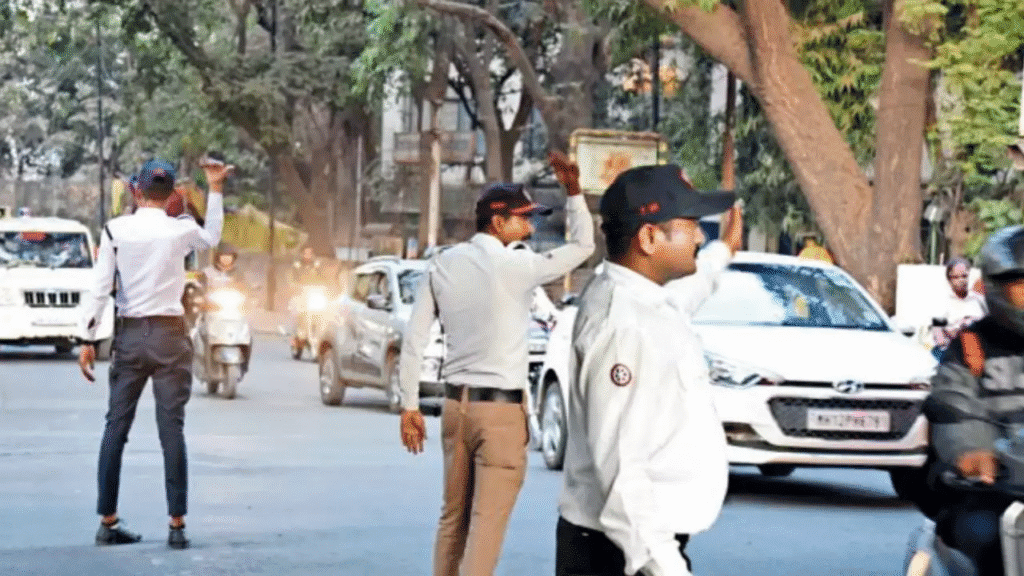





Now Reading: New Year Travel Advisory Issued for Hill Stations and Highways
-
01
New Year Travel Advisory Issued for Hill Stations and Highways
New Year Travel Advisory Issued for Hill Stations and Highways
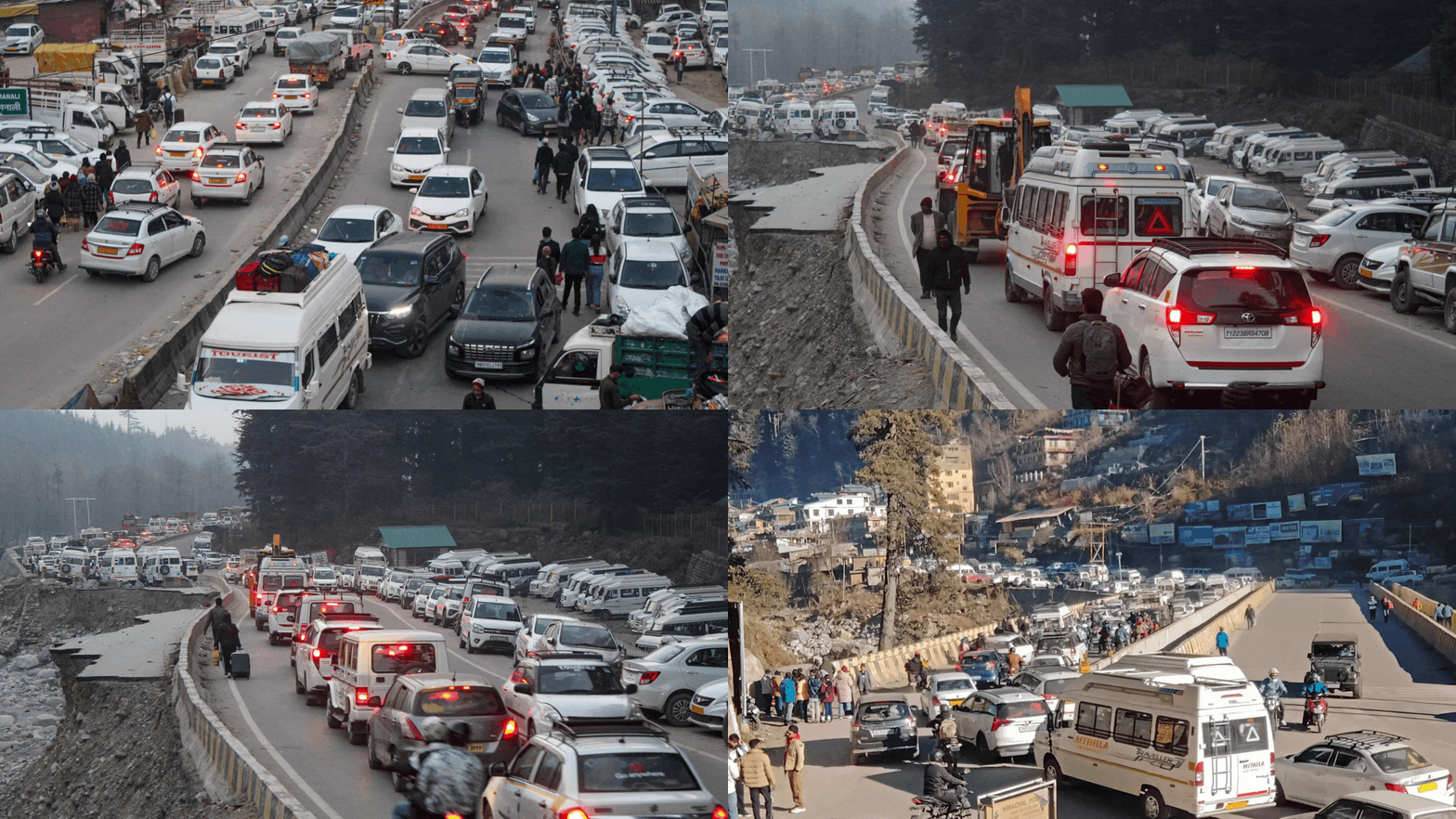
New Year travel advisory updates have been issued for hill stations and major highways as authorities prepare for a surge in holiday movement. The advisory focuses on traffic control, weather risks, safety checks, and crowd management to reduce congestion and accidents during peak travel days.
This topic is time sensitive news, as the advisory applies to current New Year travel conditions and immediate public movement patterns.
Holiday Rush Prompts Fresh Travel Advisory
The New Year travel advisory has been rolled out in response to increased bookings for hill stations and rising highway traffic across tourist corridors. Every year, the final week of December and the first days of January witness one of the highest volumes of leisure travel, particularly from urban centers toward colder destinations.
Authorities anticipate heavy congestion on popular routes leading to hill stations due to private vehicles, tourist buses, and taxis operating at full capacity. In response, traffic police and local administrations have coordinated to issue route specific instructions, time based restrictions, and vehicle checks. The aim is to maintain steady traffic flow and reduce emergency incidents during peak hours.
Weather Conditions Add Risk in Hill Regions
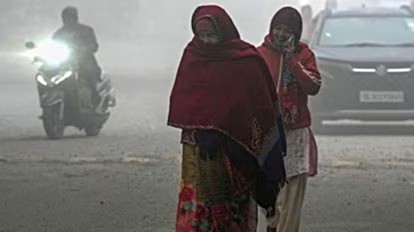
One of the key reasons behind the New Year travel advisory is the expected impact of winter weather in hill stations. Fog, low visibility, icy patches, and sudden temperature drops significantly increase accident risks, especially during early morning and late evening travel.
Travelers have been advised to avoid night driving in high altitude regions and to monitor weather updates before starting their journey. In many hill areas, local administrations are prepared for temporary road closures if conditions worsen. Emergency response teams and towing services have been placed on standby to handle breakdowns or stalled vehicles.
Highway Traffic Management Measures Announced
The New Year travel advisory places strong emphasis on highway safety and congestion management. Major highways connecting metropolitan cities to tourist destinations are expected to witness traffic volumes far above daily averages. To manage this, authorities have announced diversions, temporary checkpoints, and increased patrol presence.
Speed monitoring and drunk driving checks are being intensified, particularly during evening and night hours. Highway patrol units are also coordinating with ambulance services to ensure faster response times in case of emergencies. These measures are aimed at reducing collision risks during high density travel periods.
Restrictions on Heavy Vehicles and Parking Zones
As part of the New Year travel advisory, restrictions on heavy vehicle movement have been imposed on select highways during peak travel hours. Trucks and commercial carriers are being diverted or asked to operate during non peak windows to ease congestion for passenger vehicles.
Hill stations have also notified designated parking zones to prevent roadside congestion. In many tourist towns, entry restrictions are being enforced once parking capacity is reached. Visitors are encouraged to use public transport or shared mobility options where available. These controls are intended to prevent traffic gridlock within narrow hill roads.
Safety Guidelines for Travelers and Families
The New Year travel advisory includes safety guidelines for families and group travelers. Motorists are advised to ensure vehicles are serviced before long drives, with special attention to brakes, tires, and headlights. Carrying winter essentials, water, and basic medical supplies is strongly recommended.
Seat belt use for all occupants and helmet compliance for two wheelers are being strictly enforced. Authorities have warned against overspeeding, risky overtaking, and distracted driving. Travelers are also advised to keep fuel tanks sufficiently filled, as refueling options may be limited in remote hill stretches.
Public Transport and Tourism Services Preparedness
Public transport agencies have increased services on high demand routes to manage the New Year travel surge. Additional buses and special services are being operated to hill stations and popular tourist hubs. Railway and intercity bus terminals are witnessing higher footfall, prompting deployment of additional staff for crowd control.
Tourism departments are working with local administrations to guide visitors toward regulated activities and avoid overcrowded spots. Hotels and homestays have been instructed to follow capacity norms and assist guests with local travel advisories. This coordinated approach aims to maintain visitor safety while supporting tourism activity.
Advisory Compliance Critical for Smooth Travel
Authorities have emphasized that the success of the New Year travel advisory depends on public cooperation. Ignoring route instructions or weather warnings can lead to delays not only for individual travelers but also for emergency services.
Digital signboards, social media alerts, and traffic helplines are being used to provide real time updates. Travelers are encouraged to check official traffic advisories before departure and remain flexible with travel plans. Staggered travel timings are suggested to reduce peak hour congestion.
What Travelers Should Expect Over the Next Few Days
The New Year travel advisory indicates that congestion will peak during late evenings on December 31 and early mornings on January 1. Return traffic is expected to increase after January 2, especially on highways connecting hill stations back to major cities.
Travelers should expect slower movement on ghat sections, extended travel times, and strict enforcement of traffic rules. Planning ahead, following advisories, and prioritizing safety can significantly improve the travel experience during this busy holiday period.
Takeaways
- New Year travel advisory focuses on hill station and highway safety
- Weather conditions and heavy traffic are key risk factors
- Restrictions and diversions aim to manage congestion
- Public cooperation is essential for smooth holiday travel
FAQs
Why was the New Year travel advisory issued?
It was issued due to expected heavy holiday traffic and weather related risks in hill and highway regions.
Are there restrictions on vehicle movement?
Yes, heavy vehicles face time based restrictions, and parking limits apply in hill stations.
Is night travel to hill stations advised?
Night travel is discouraged due to fog, low visibility, and icy road conditions.
How can travelers stay updated during their journey?
Travelers should follow official traffic alerts, helplines, and digital updates before and during travel.