









Now Reading: New Traffic Rules and Fines Likely From January 1
-
01
New Traffic Rules and Fines Likely From January 1
New Traffic Rules and Fines Likely From January 1
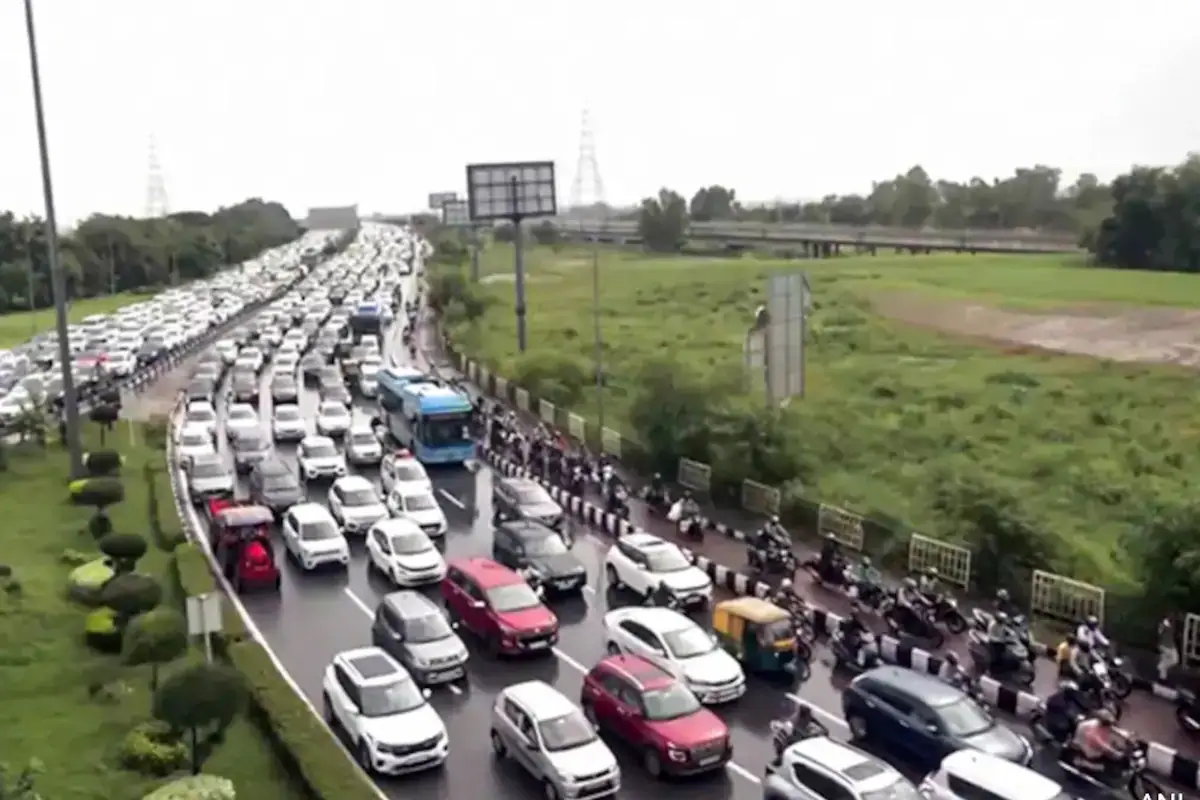
New traffic rules and fines likely from January 1 as authorities prepare to tighten enforcement and improve road safety compliance. With rising accident numbers and congestion pressure, updated norms aim to standardise penalties, strengthen deterrence, and push behavioural change among motorists nationwide.
As the new year approaches, transport authorities are signalling changes to traffic rules and fines effective from January 1. The move follows months of internal review, state-level consultations, and data analysis pointing to gaps in enforcement and compliance. While the legal framework for road safety already exists, implementation inconsistencies and low deterrence value of penalties have prompted a recalibration of fines and operational rules.
Rationale behind revising traffic rules and penalties
The primary driver behind the proposed changes is road safety. Despite awareness campaigns and existing laws, traffic violations remain widespread across urban and semi-urban areas. Speeding, signal jumping, wrong-side driving, and helmet non-compliance continue to contribute to a high share of road accidents.
Authorities believe that penalties must reflect the seriousness of violations. Lower fines often fail to deter repeat offenders, especially in cities where traffic congestion normalises rule-breaking. Revising fines is intended to create a stronger cost for violations, encouraging compliance through financial consequence rather than advisory warnings alone.
Key violations expected to face stricter fines
From January 1, enforcement agencies are likely to focus on high-risk violations. These include over-speeding, drunk driving, mobile phone usage while driving, and riding without protective gear. Lane discipline and parking violations in congested zones are also expected to see tighter scrutiny.
In addition to higher fines, repeat offenders may face cumulative penalties. This includes temporary suspension of driving privileges or mandatory safety awareness sessions. The emphasis is shifting from one-time penalties to sustained behavioural correction, particularly for habitual violators.
Digital enforcement and automated challans expand
A significant element of the updated traffic framework is the expanded use of digital enforcement. Automated challans through cameras, speed detection systems, and number plate recognition have already become common in major cities. From January 1, this infrastructure is expected to play a larger role in enforcing revised rules.
Digital enforcement reduces discretion and improves transparency. Violations are recorded electronically, and penalties are issued directly to registered vehicle owners. This system also creates a data trail, helping authorities identify patterns, high-risk zones, and repeat offenders more effectively.
Impact on daily commuters and commercial drivers
For daily commuters, the new traffic rules mean increased accountability. Even minor violations that were earlier overlooked may now attract penalties. Motorists will need to be more mindful of lane discipline, signal compliance, and documentation.
Commercial drivers, including cab operators, delivery personnel, and transport fleet drivers, face higher operational risk if compliance slips. Companies are expected to reinforce driver training and monitoring to avoid frequent penalties. In the long run, improved compliance could reduce delays caused by accidents and congestion.
State-level implementation and flexibility
While the rules are framed at the national level, enforcement intensity and fine structures can vary by state. State transport departments retain flexibility to adapt penalties within prescribed limits. As a result, motorists may notice differences in enforcement strictness across regions.
States with high urban traffic density are expected to adopt stricter enforcement early. Others may phase in changes gradually, focusing first on awareness before aggressive penal action. Coordination between traffic police, transport departments, and local administrations will determine how smoothly the transition unfolds.
Public response and compliance challenges
Public reaction to revised traffic fines is often mixed. While safety advocates support stricter penalties, sections of motorists express concern about affordability and enforcement fairness. Authorities acknowledge these concerns and emphasise that the goal is deterrence, not revenue generation.
To address compliance challenges, awareness campaigns are being planned alongside enforcement. Clear communication of new rules, fine amounts, and appeal mechanisms is expected to reduce confusion. Transparent grievance redressal systems will also be critical in maintaining public trust.
What motorists should prepare for from January 1
With new traffic rules and fines likely from January 1, motorists are advised to review compliance basics. Valid documentation, adherence to speed limits, and respect for road signage will become non-negotiable. Technology-driven enforcement means violations are harder to contest without valid grounds.
The broader objective is to normalise disciplined driving rather than create fear. Authorities expect that consistent enforcement over time will lead to fewer violations, safer roads, and smoother traffic flow. The first few weeks of January will be crucial in setting the tone for the year ahead.
Takeaways
- Traffic rules and fines may be revised from January 1
- High-risk violations are expected to face stricter penalties
- Digital enforcement will play a bigger role in monitoring compliance
- Motorists should prepare for tighter checks and reduced leniency
FAQs
Will traffic fines increase from January 1?
Fines for certain violations are expected to be revised to improve deterrence.
Which violations will be targeted most strictly?
Over-speeding, drunk driving, signal jumping, and mobile phone usage are key focus areas.
How will digital challans affect motorists?
Automated systems reduce discretion and issue penalties directly based on recorded evidence.
Will rules be the same across all states?
Core rules apply nationally, but enforcement intensity and fine structures may vary by state.