








Now Reading: Gold Prices Hit New Highs Ahead of Wedding and Budget Season
-
01
Gold Prices Hit New Highs Ahead of Wedding and Budget Season
Gold Prices Hit New Highs Ahead of Wedding and Budget Season

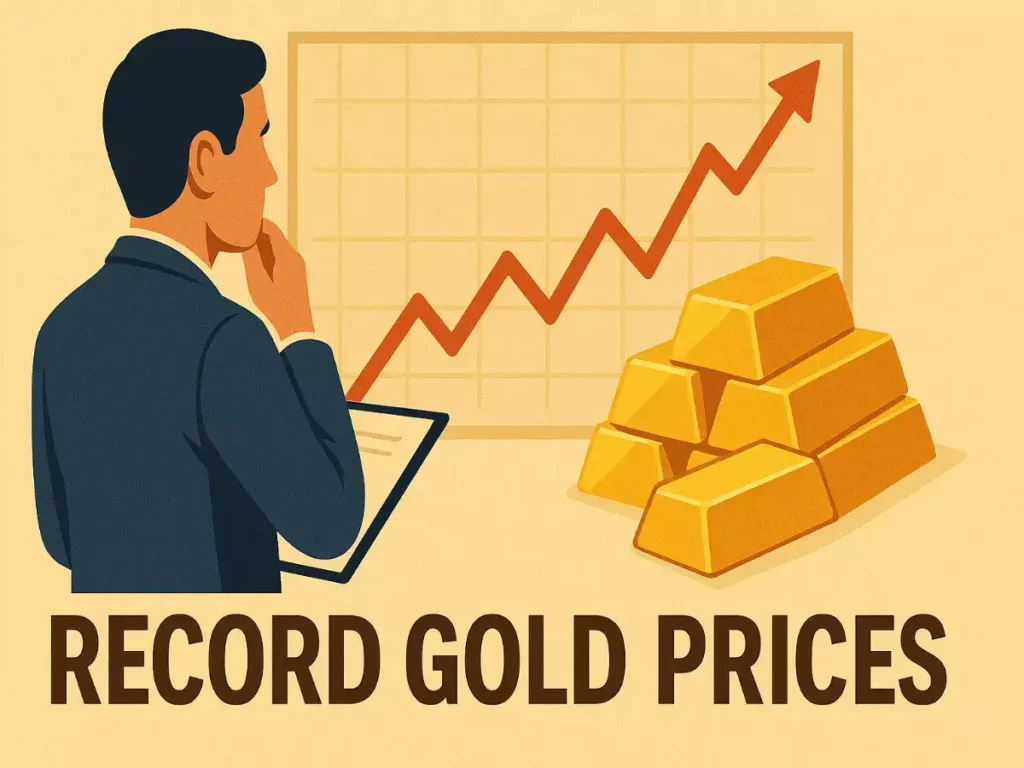
Gold prices hit new highs as India enters the peak wedding season and prepares for the upcoming Union Budget. Strong festive demand, global uncertainty, and steady buying by households have pushed prices upward, raising costs for buyers while reinforcing gold’s role as a preferred store of value.
Gold Price Surge Sets the Seasonal Context
Gold prices hit new highs at a time when domestic demand traditionally accelerates. The wedding season typically drives a surge in jewellery purchases, particularly in North and West India, where gold remains central to ceremonial gifting. This seasonal demand is now colliding with elevated base prices, making purchases noticeably more expensive than last year.
Retail jewellers report steady footfall despite higher rates, indicating that demand has not weakened significantly. Many buyers are advancing purchases to avoid further increases, while others are opting for lighter designs or higher purity coins to manage budgets.
Global Factors Driving Gold Prices Higher
International developments have played a major role in pushing gold prices upward. Persistent geopolitical tensions, uneven global growth, and expectations around interest rate shifts in major economies have kept gold attractive as a safe-haven asset.
Central banks across several countries continue to add gold to their reserves, supporting prices at elevated levels. A softer outlook for global currencies and concerns around fiscal stability have further strengthened gold’s appeal. These global drivers directly influence domestic prices, given India’s reliance on imported gold.
Domestic Demand Ahead of Wedding Season
The Indian wedding season is a powerful demand catalyst. Gold jewellery is not just an ornament but a financial asset passed across generations. Families often view wedding purchases as long-term investments, making them less sensitive to short-term price fluctuations.
However, rising prices are changing buying behavior. Jewellers report increased interest in gold exchange schemes, advance booking, and customized designs that reduce overall weight. Digital gold and gold savings plans are also gaining traction among younger buyers who want exposure without immediate jewellery purchases.
Budget Season Expectations and Gold Market Sentiment
The Union Budget adds another layer of anticipation to the gold market. Investors closely watch potential changes in customs duty, import regulations, and tax treatment of gold-related instruments. Even without confirmed policy changes, speculation alone can influence buying decisions.
Historically, any hint of higher import duties tends to accelerate purchases before the Budget, while expectations of relief can delay buying. This pre-Budget uncertainty has contributed to increased market activity and price volatility.
Impact on Jewellery Retailers and Consumers
Higher gold prices squeeze margins for jewellers while testing consumer affordability. Retailers are responding with flexible pricing schemes, festive discounts on making charges, and installment-based purchase plans. These strategies aim to sustain volumes even as headline prices rise.
For consumers, the impact is immediate. A standard wedding purchase now costs significantly more, forcing households to adjust budgets or rethink design choices. Despite this, gold continues to be prioritized over discretionary spending, highlighting its cultural and financial importance.
Investment Demand and Gold as a Hedge
Beyond jewellery, investment demand for gold has strengthened. Rising equity market volatility and uncertainty around interest rate direction have pushed conservative investors toward gold-backed instruments. Sovereign gold bonds, gold ETFs, and digital gold platforms are seeing renewed interest.
Gold’s role as an inflation hedge remains relevant, especially for households concerned about preserving purchasing power. The current price rally reinforces the perception of gold as a stable long-term asset rather than a short-term trade.
Outlook for Gold Prices in Coming Months
The outlook for gold prices remains firm, though short-term corrections cannot be ruled out. Seasonal demand, combined with Budget-related uncertainty, is likely to keep prices elevated in the near term. Any global shocks or currency movements could further influence direction.
If global central banks signal prolonged caution on rate cuts, gold may continue to attract flows. Conversely, clear policy clarity and easing global tensions could temper price momentum. For now, the bias remains upward.
What Buyers Should Consider Before Purchasing
Buyers planning wedding purchases should factor in timing and flexibility. Locking prices through advance booking schemes or staggered buying can reduce exposure to sudden spikes. Checking purity, hallmarking, and making charges becomes even more important at higher price levels.
Investors should assess allocation rather than chase momentum. Gold works best as a portfolio stabilizer rather than a speculative bet. Understanding personal financial goals is key before increasing exposure.
Takeaways
- Gold prices have reached record levels ahead of wedding and Budget season
- Global uncertainty and strong domestic demand are driving the rally
- Wedding buyers are adapting with lighter designs and advance purchases
- Gold continues to attract investors as a hedge and safe asset
FAQs
Why have gold prices risen sharply recently?
Prices are rising due to strong wedding season demand, global economic uncertainty, and continued safe-haven buying.
Will gold prices fall after the wedding season?
Seasonal demand may ease, but prices will also depend on global factors and Budget-related policy signals.
Is it a good time to buy gold for weddings?
For weddings, timing often matters less than necessity, but advance booking and price locks can help manage costs.
Should investors buy gold at current levels?
Gold can be suitable as a long-term hedge, but investors should avoid overexposure and focus on balanced allocation.