







Now Reading: Gold Prices Hit New Highs As Wedding Season Demand Rises
-
01
Gold Prices Hit New Highs As Wedding Season Demand Rises
Gold Prices Hit New Highs As Wedding Season Demand Rises

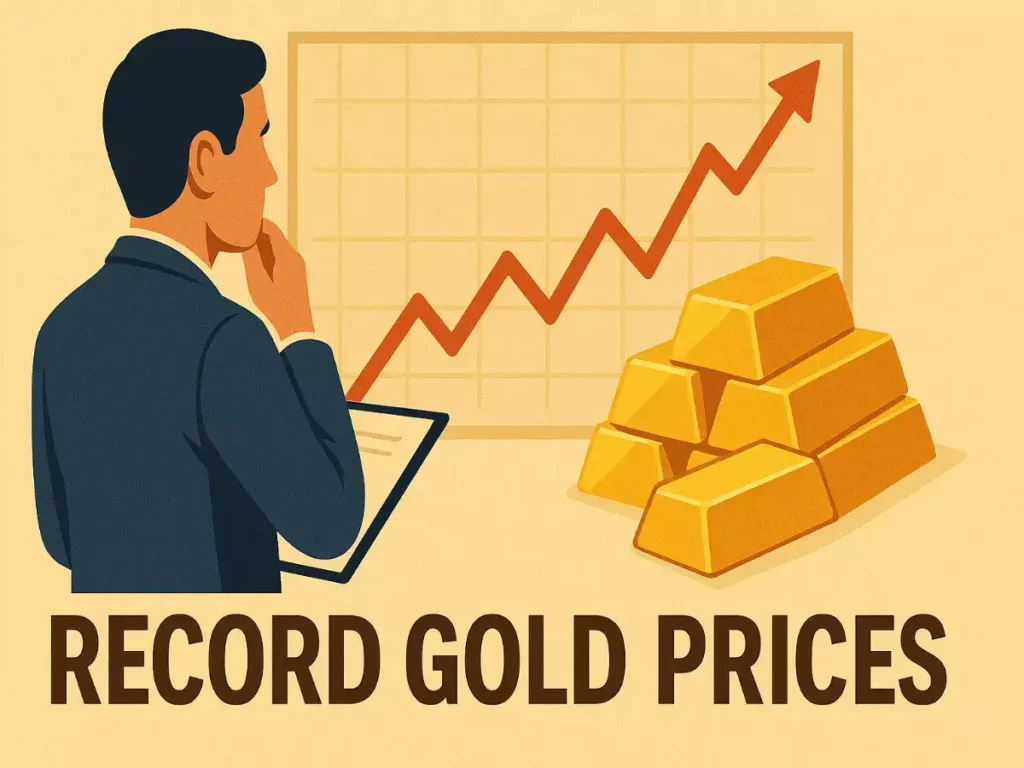
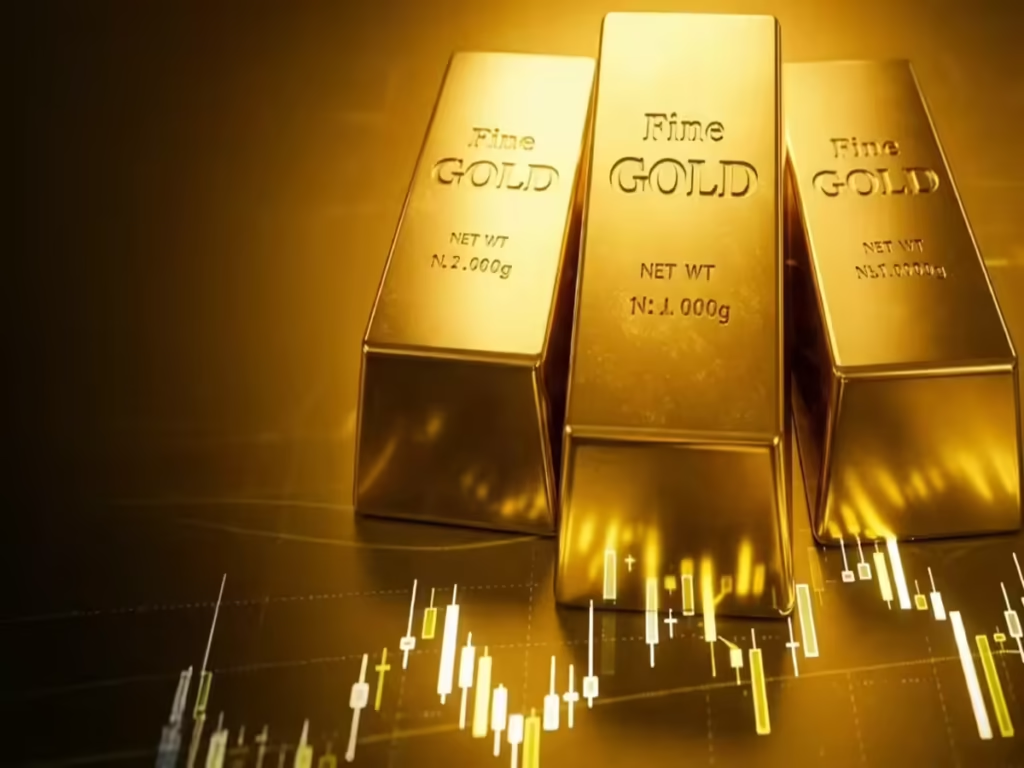
Gold prices have hit new highs as wedding season demand rises across India, pushing retail rates upward despite global volatility. Strong domestic buying, limited supply correction, and sustained investor interest are combining to keep gold prices elevated during a peak consumption period.
The surge in gold prices is closely tied to the Indian wedding calendar, which traditionally drives one of the highest levels of physical gold demand each year. As ceremonies intensify across states, jewellers are reporting strong footfall even at record price levels, indicating resilient consumer behaviour.
Wedding Season Demand Drives Physical Gold Buying
Gold prices have moved higher primarily due to strong wedding season demand, especially in key consuming states. Indian weddings account for a significant share of annual gold purchases, with jewellery remaining central to cultural traditions and gifting practices.
Despite rising rates, buyers are prioritising purchases for fixed wedding dates rather than postponing decisions. Jewellers report that customers are opting for lighter designs or lower carat options but are not exiting the market entirely. This behaviour has sustained demand volumes even as per-gram prices touch record levels in major cities.
Retail Gold Prices And Regional Variations
Retail gold prices vary slightly by region due to local taxes, logistics costs, and making charges, but the overall trend remains upward nationwide. Metro cities and tier two markets alike are witnessing historically high rates for 22 carat and 24 carat gold.
In wedding-heavy belts, advance bookings and customised orders are locking in demand weeks ahead. Jewellers are also seeing higher demand for exchange schemes, where customers trade old jewellery to offset rising prices. This has increased recycling flows but has not been enough to ease overall price pressure.
Global Factors Supporting Elevated Gold Rates
While domestic demand is a major driver, global factors continue to support high gold prices. Persistent geopolitical uncertainty, expectations around interest rate adjustments in major economies, and currency fluctuations have kept gold attractive as a safe asset.
Central bank gold buying globally has also remained strong, limiting downside risk. Even when international prices consolidate, the Indian market often sees limited correction during wedding seasons due to rupee movement and import cost structures. This disconnect explains why domestic prices remain firm even during global pauses.
Investor Behaviour And Gold As A Hedge
Beyond jewellery, gold prices are being supported by investment demand. Retail investors continue to view gold as a hedge against inflation and market volatility. This sentiment strengthens during periods of high equity market uncertainty or uneven economic signals.
Gold exchange traded funds and digital gold platforms have also seen steady inflows, though wedding jewellery demand remains the dominant factor at this time of year. The combination of emotional and financial buying creates a strong floor for prices during peak marriage months.
Impact On Jewellery Industry And Consumers
Rising gold prices have forced jewellers to adapt quickly. Many stores are focusing on design innovation, modular jewellery, and flexible payment options to retain customers. Fixed price wedding packages and advance booking discounts are being used to manage buyer hesitation.
Consumers, on the other hand, are becoming more price-aware. Weight-conscious buying has increased, with higher demand for minimalist designs. Some families are reallocating budgets toward craftsmanship and gemstones rather than pure gold weight, reflecting a shift in purchasing strategy rather than reduced demand.
Import Trends And Supply Side Constraints
India relies heavily on gold imports, and higher international prices directly impact domestic rates. Import volumes typically rise ahead of wedding seasons, but elevated prices can temper bulk stocking by jewellers.
Any slowdown in imports due to price risk management tightens supply further in the short term. This dynamic often sustains high prices through the wedding season before gradual correction sets in once demand eases.
Outlook For Gold Prices Post Wedding Season
Gold prices are expected to remain firm through the ongoing wedding season. Any meaningful correction will depend on a combination of easing global uncertainty, currency stability, and reduced physical demand.
Market analysts broadly expect volatility rather than sharp declines. For consumers, this means price dips may be limited and short-lived. For jewellers, inventory management and hedging strategies will remain critical over the coming weeks.
What Buyers Should Consider Before Purchasing
Buyers planning wedding purchases should focus on purity certification, transparent making charges, and buyback policies. Timing purchases during minor price dips or locking rates in advance can help manage cost exposure.
For investment-focused buyers, staggered buying rather than lump sum purchases reduces timing risk. Gold remains a long-term asset, but short-term peaks driven by seasonal demand warrant careful planning.
Takeaways
- Gold prices are at record highs due to strong wedding season demand
- Consumers are adjusting designs and weight, not exiting the market
- Global uncertainty and investor demand are supporting prices
- Price correction is unlikely until wedding demand eases
FAQs
Why are gold prices rising during the wedding season?
Wedding-related jewellery buying significantly increases physical demand, pushing prices higher despite global trends.
Are people still buying gold at record prices?
Yes, buyers are opting for lighter or redesigned jewellery rather than delaying essential wedding purchases.
Will gold prices fall after the wedding season?
Prices may stabilise or correct slightly, but major declines depend on global economic conditions.
Is this a good time to invest in gold?
Gold remains a hedge asset, but staggered investments are safer during seasonal price peaks.