







Now Reading: AI Traffic Signal Confusion in Nagpur: NMC Claims Working System, Police Say Otherwise
-
01
AI Traffic Signal Confusion in Nagpur: NMC Claims Working System, Police Say Otherwise
AI Traffic Signal Confusion in Nagpur: NMC Claims Working System, Police Say Otherwise
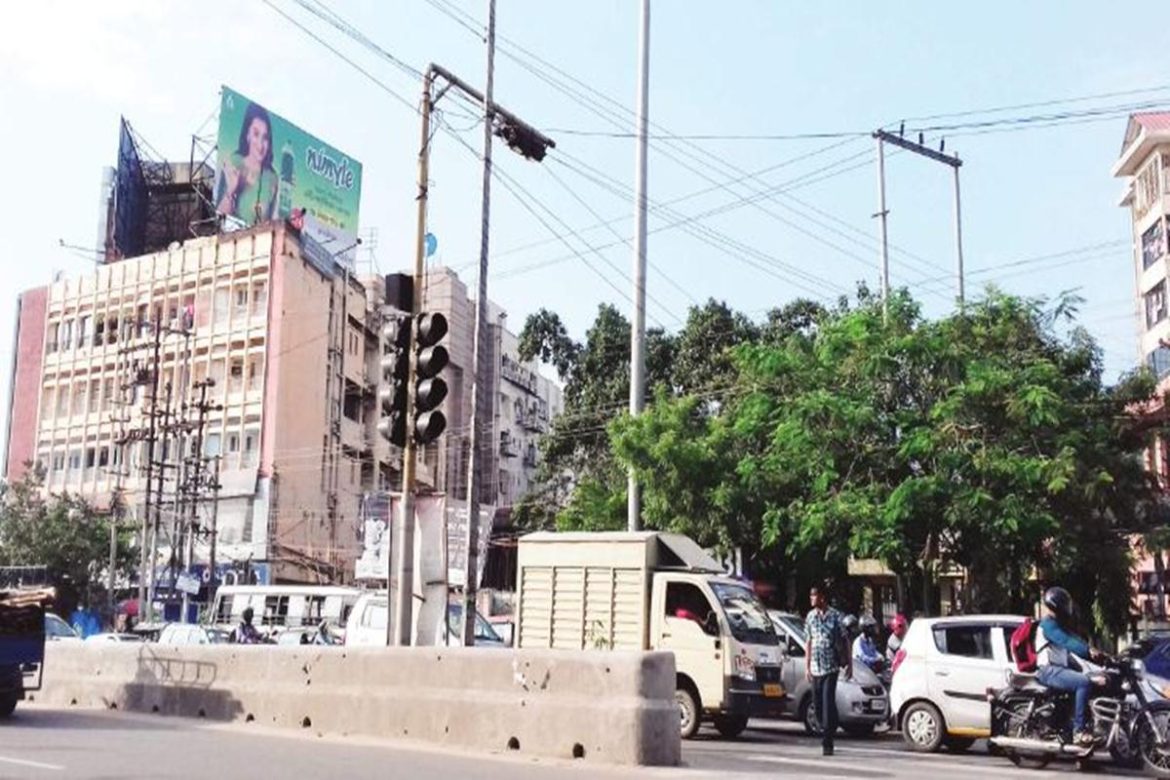
Nagpur’s much-talked-about AI-based traffic signals have landed in controversy after conflicting statements from two key authorities. While the Nagpur Municipal Corporation (NMC) claims that AI signals at nine major junctions are live, the city’s traffic police say they have no access to or control over the system. This mismatch has triggered confusion and raised concerns about the system’s actual functionality on the ground.
Technology vs Reality
Nagpur, a rapidly growing Tier 2 city, recently rolled out AI-powered traffic signals to modernize its road infrastructure. These smart signals were expected to ease congestion by adapting to real-time traffic volumes. However, the benefits remain uncertain as implementation appears incomplete.
The NMC insists that the infrastructure is active and technically ready. Officials say the system has been deployed at nine busy junctions and is capable of adjusting signal timings dynamically. They argue that their responsibility was limited to installing the system, and the next step lies with the police.
Police Say They’re Not in the Loop
On the other hand, Nagpur’s traffic police deny having any operational access. According to them, without integration into their monitoring systems or any training provided, they cannot manage or supervise the new AI signals. This disconnect has left many junctions operating irregularly or under manual control, defeating the purpose of the smart upgrade.
Public Caught in the Middle
For everyday commuters in Nagpur, this technical dispute is causing real problems. Reports from local drivers indicate that several junctions continue to experience chaotic signal patterns. In areas like Sitabuldi and Sadar, traffic flow remains largely unmanaged during peak hours, leading to delays and road rage incidents.
Many residents are questioning the lack of accountability and wondering when the system will be fully functional. The absence of clear communication from either department has only added to the confusion.
Lack of Coordination Hurting Progress
This issue reflects a broader problem faced by Indian cities adopting smart technologies — poor coordination between civic bodies and enforcement agencies. Even the best systems can fail without proper handover, training, and communication. As cities like Nagpur push toward smart infrastructure, such coordination gaps can slow down public trust and effectiveness.
Conclusion
Nagpur’s AI traffic signal project was launched with the goal of making city roads smarter and safer. But unless the NMC and traffic police work together and share responsibility, the system may remain underutilized. For citizens dealing with daily road struggles, what’s needed now is less blame-shifting and more action to get the smart signals actually working.