







Now Reading: Israel Strikes Iran in ‘Operation Opera 2.0’-Style Move: Echoes of 1981 Iraq Attack Resurface
-
01
Israel Strikes Iran in ‘Operation Opera 2.0’-Style Move: Echoes of 1981 Iraq Attack Resurface
Israel Strikes Iran in ‘Operation Opera 2.0’-Style Move: Echoes of 1981 Iraq Attack Resurface
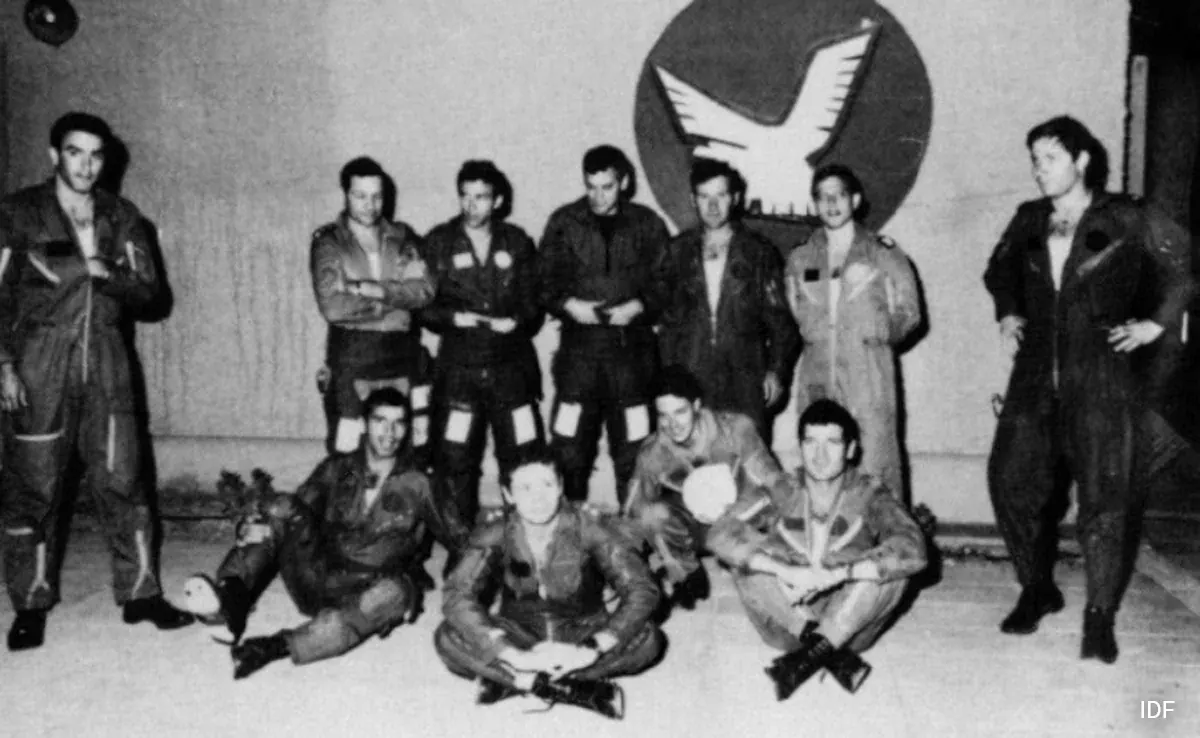
In a bold military move that has drawn global attention, Israel carried out precision airstrikes on Iranian nuclear-linked sites, drawing comparisons with its 1981 attack on Iraq’s Osirak reactor. The strikes have reignited fears of a wider conflict in West Asia and raised serious questions about the future of nuclear diplomacy in the region.
Modern Strike with Historical Parallels
The latest Israeli action is being unofficially dubbed “Operation Opera 2.0” by international observers due to its similarity with the 1981 mission against Saddam Hussein’s Iraq. Back then, Israel pre-emptively destroyed a nuclear reactor under construction, citing security threats. Now, over four decades later, it has reportedly acted with the same intent—targeting what it claims were facilities linked to Iran’s nuclear development program.
While Iran has downplayed the damage, experts say this marks a significant escalation in the ongoing shadow war between the two nations.
Strategic Timing and Rising Tensions
The timing of the attack is critical. It comes at a moment when diplomatic talks around Iran’s nuclear capabilities have stalled, and tensions between Tehran and Tel Aviv are already high. Iran has accused Israel of sabotage in the past, but this open aerial offensive marks a shift in both strategy and visibility.
The global community, including key players like the US and UN agencies, has urged restraint, but so far, both sides appear locked in a cycle of provocation and retaliation.
Why It Matters to India and Tier 2 Cities
For Indian policymakers and citizens alike, particularly in Tier 2 cities like Bhopal, Jaipur, and Kochi where many families have members working in the Gulf region, the rising instability in West Asia is concerning. Any escalation could impact oil prices, the safety of Indian expats, and regional security dynamics.
India maintains a delicate balance in its relationships with both Israel and Iran—cooperating with the former on defence and innovation, while relying on the latter for energy and regional access.
Concerns Over Nuclear Safety
The strikes have renewed global concerns about the vulnerability of nuclear facilities in conflict zones. Though Israel has not officially commented on the full scope of the attack, international nuclear watchdogs are expected to assess potential fallout.
Analysts worry that any miscalculation could lead to a larger conflict that draws in neighbouring countries and disrupts fragile regional peace efforts.
Conclusion
Israel’s latest strike on Iranian targets has stirred old memories of its 1981 mission in Iraq, but the stakes today are far higher. With nuclear ambitions, regional rivalries, and international diplomacy all colliding, the situation demands careful monitoring. For countries like India, stability in West Asia remains crucial—not just diplomatically, but for the millions whose lives and livelihoods are connected to the region.