








Now Reading: Americans Are Falling in Love with AI Chatbots: How Technology Is Changing Modern Relationships
-
01
Americans Are Falling in Love with AI Chatbots: How Technology Is Changing Modern Relationships
Americans Are Falling in Love with AI Chatbots: How Technology Is Changing Modern Relationships
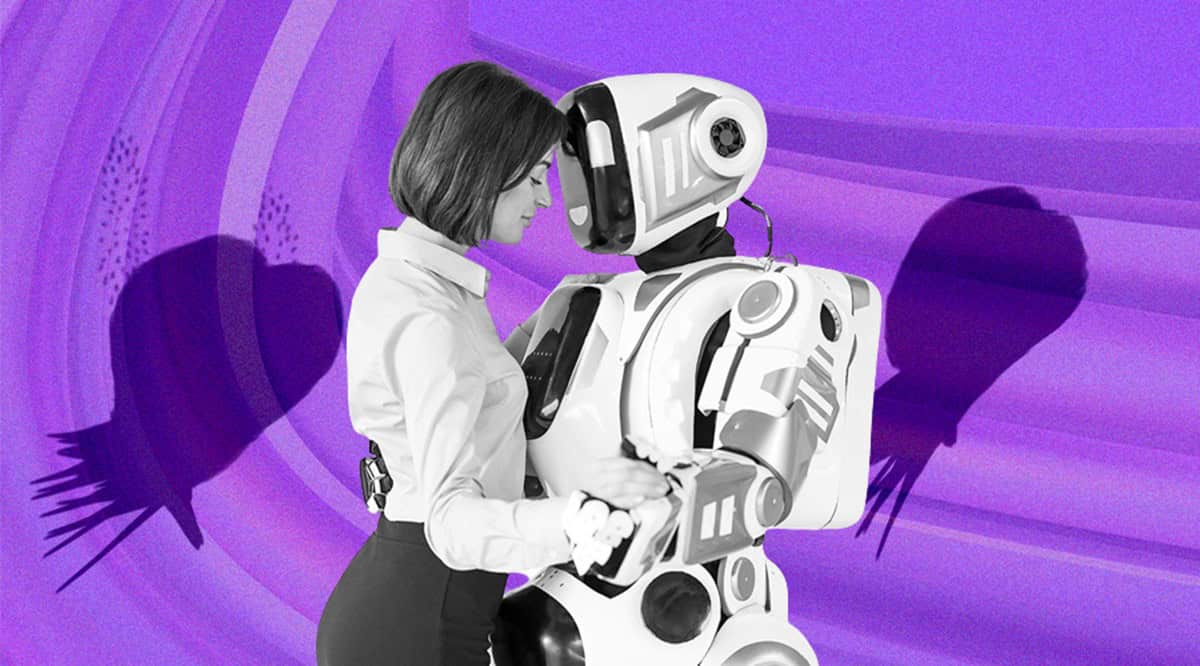
A new social trend is emerging across the United States — people are forming emotional bonds with artificial intelligence chatbots. What once began as casual digital companionship has now evolved into something deeper, with many individuals developing romantic or emotional attachments to AI-powered virtual partners. The phenomenon highlights a growing shift in how technology is influencing human connection and redefining intimacy in the digital age.
The rise of AI chatbots designed to mimic human conversation has blurred the line between human emotion and machine intelligence. These virtual companions, available through various mobile apps and online platforms, use advanced natural language processing to simulate empathy, humor, and understanding. For users who feel isolated or disconnected, these chatbots often serve as non-judgmental listeners — a comfort that traditional human relationships sometimes fail to offer.
Researchers have found that loneliness, especially among young adults and working professionals, is one of the main reasons people turn to AI chatbots for companionship. In today’s fast-paced and increasingly digital society, many find it difficult to build genuine emotional connections. AI companions provide constant availability, personalized responses, and emotional support that adapts to the user’s mood and personality. This level of attention and understanding, though artificial, can feel deeply personal to users seeking connection.
However, this growing dependency also raises important questions about emotional health and social behavior. Psychologists have warned that while AI relationships can provide short-term comfort, they might limit people’s ability to form and sustain real human connections. There’s also a concern about privacy and data, as many AI platforms collect vast amounts of user information, including emotional patterns and personal confessions.
From a societal perspective, the trend underscores a major cultural shift in how people view companionship. In urban environments, particularly in Tier 1 and Tier 2 cities, digital loneliness has become a common challenge. With the rise of remote work, reduced social interactions, and increased screen time, people are seeking new forms of emotional engagement — and AI seems to fill that void effectively.
On the other hand, technology experts argue that AI companionship shouldn’t be viewed negatively. They believe such systems can play a constructive role in mental wellness by helping individuals express emotions, manage anxiety, and combat loneliness. For those who struggle with social anxiety or emotional trauma, AI chatbots can act as a first step toward rebuilding confidence before engaging with real people.
The fascination with AI companionship also opens a new chapter in human psychology. The idea of people “falling in love” with software challenges conventional definitions of relationships and emotional authenticity. It raises philosophical questions — can machines truly reciprocate feelings, or are humans simply projecting emotions onto technology?
As AI becomes more sophisticated, these interactions are expected to deepen. Future chatbots may evolve with personalities, memories, and emotional consistency, making them feel even more “real.” Whether this will help or harm human relationships remains to be seen, but one thing is certain — technology is reshaping how people connect, love, and seek understanding in an increasingly digital world.
In the end, the phenomenon reflects both the promise and paradox of modern innovation: a world more connected than ever, yet one where genuine human connection is harder to find.