





Now Reading: Bihar assembly phase 2 voting underway amid tight security arrangements
-
01
Bihar assembly phase 2 voting underway amid tight security arrangements
Bihar assembly phase 2 voting underway amid tight security arrangements
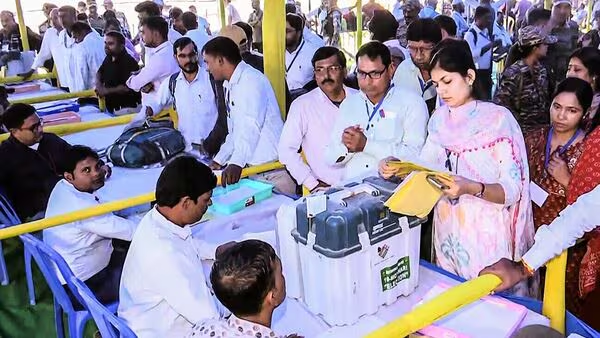
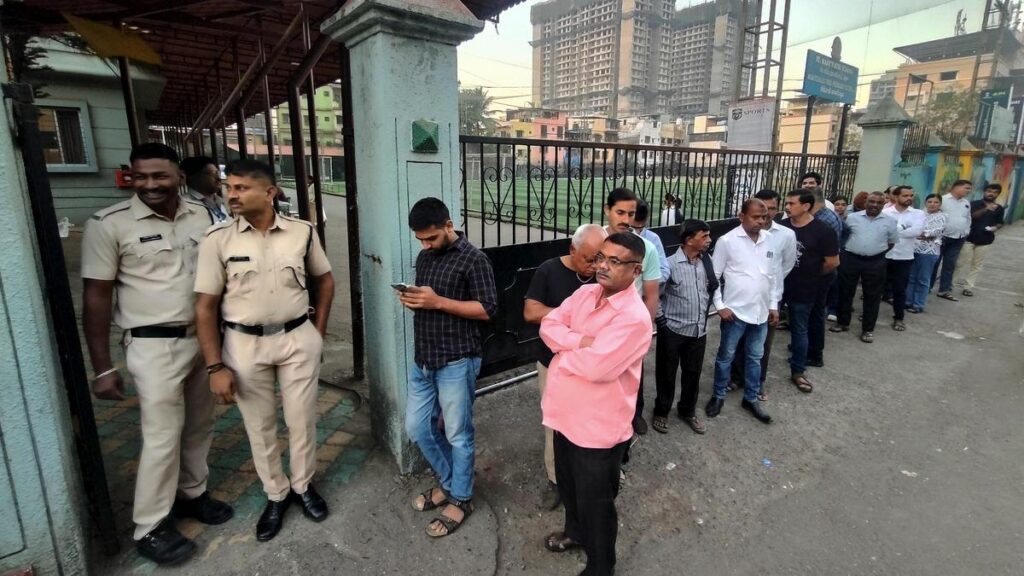
Bihar assembly phase 2 voting is taking place today as about 3.7 crore registered voters decide the fate of candidates across multiple constituencies. The election is being closely watched due to its potential impact on the state’s political direction and leadership priorities.
Turnout is being tracked across urban and rural booths with officials emphasizing smooth polling. This phase includes regions where coalition dynamics, caste alignments and local development issues are playing a decisive role. Polling started early in the morning with additional security forces deployed to ensure orderly participation.
Key constituencies under focus and regional political dynamics
The constituencies in this phase include a mix of strongholds for both major alliances and areas known for closely contested outcomes. Local factors such as agricultural distress, job opportunities for youth, public welfare schemes and infrastructure development influence how voters are approaching the ballot.
Political parties have pushed high intensity campaigns leading up to this phase. Leaders from national and state level groups have addressed rallies focusing on governance track records and promises of economic stability. In several districts, candidates have emphasized region specific issues like irrigation, healthcare accessibility and availability of public transport.
Caste identity continues to shape political narratives in many seats. Alliances have strategically placed candidates to appeal to communities with influence over local electoral outcomes. However, voter sentiment is not entirely predictable, as younger voters, particularly first time participants, have shown preference for direct development outcomes rather than traditional loyalty patterns.
Security measures and Election Commission preparations
Polling stations across the phase 2 constituencies are operating under heightened security arrangements. The Election Commission has deployed central armed police forces along with state police to monitor sensitive zones and prevent disturbances.
Webcasting arrangements and micro observers are stationed in booths identified as critical based on historical patterns of irregularities or high competition. Polling staff received training sessions on procedural compliance, voter verification and EVM handling to ensure consistency during the voting process.
Transportation logistics were arranged to facilitate accessibility in remote and flood prone regions where infrastructure remains limited. Special assistance has been provided for elderly voters, persons with disabilities and expectant mothers, in line with the Election Commission’s focus on inclusive voting.
Reports from early hours indicate peaceful polling in most districts, with occasional delays due to EVM replacement or queue management. These incidents have been addressed by ground teams without escalation.
Role of alliances and candidate strategies in this phase
Major political alliances have fielded candidates based on seat sharing formulas negotiated in earlier stages of the election cycle. The focus has been on maximizing winnable candidates rather than broad ideological messaging.
Campaign strategies included localized outreach through yatras, ward level meetings and direct interaction campaigns. Door to door visits and digital outreach via social messaging platforms were used to reinforce outreach in regions where physical mobility was limited.
Some constituencies have seen triangular contests where independent or smaller party candidates have a strong local presence. These candidates often draw votes based on personal reputation, conflict mediation roles or community service significance.
This phase is considered crucial for the overall election outcome because it involves districts with shifting political preferences in previous elections. A strong performance by either alliance here could influence momentum for the remaining phases.
Voter issues shaping decision making
In surveys and field interviews across districts, voters frequently mentioned employment, price stability, education access and healthcare infrastructure as priority concerns. The economic impact of recent inflationary periods has influenced family level financial planning, which in turn shapes opinions on government efficiency.
Rural voters have focused on irrigation schemes, crop procurement rates and rural road connectivity. Urban voters have expressed concerns related to air quality, transport congestion and municipal planning challenges.
Public welfare schemes, including ration distribution and social insurance, remain central to discussions in economically weaker households. Voter participation in this phase is being encouraged through awareness campaigns highlighting the importance of turnout in shaping long term policy outcomes.
Takeaways
• Bihar assembly phase 2 voting involves around 3.7 crore voters across key constituencies
• Security arrangements and Election Commission monitoring measures are in place for smooth polling
• Alliances and candidate selections reflect strategic decisions based on regional influence patterns
• Voter sentiment is shaped by employment, welfare services and local development needs
FAQ
When does polling end today in the phase 2 constituencies?
Polling is scheduled to continue through the evening, with the closing time depending on security instructions and local conditions.
How is voter turnout being monitored?
Election officials and state level monitoring systems provide periodic turnout updates based on booth level reporting.
Is phase 2 expected to influence the broader election outcome?
Yes. This phase includes politically competitive districts that can shape momentum for later phases and influence final seat distribution.
Are there any major reported disruptions so far?
Initial reports indicate peaceful polling. Minor delays involving EVM replacements have been addressed without incident.