







Now Reading: Bird strike forces IndiGo aircraft damage at Rishikesh airport
-
01
Bird strike forces IndiGo aircraft damage at Rishikesh airport
Bird strike forces IndiGo aircraft damage at Rishikesh airport
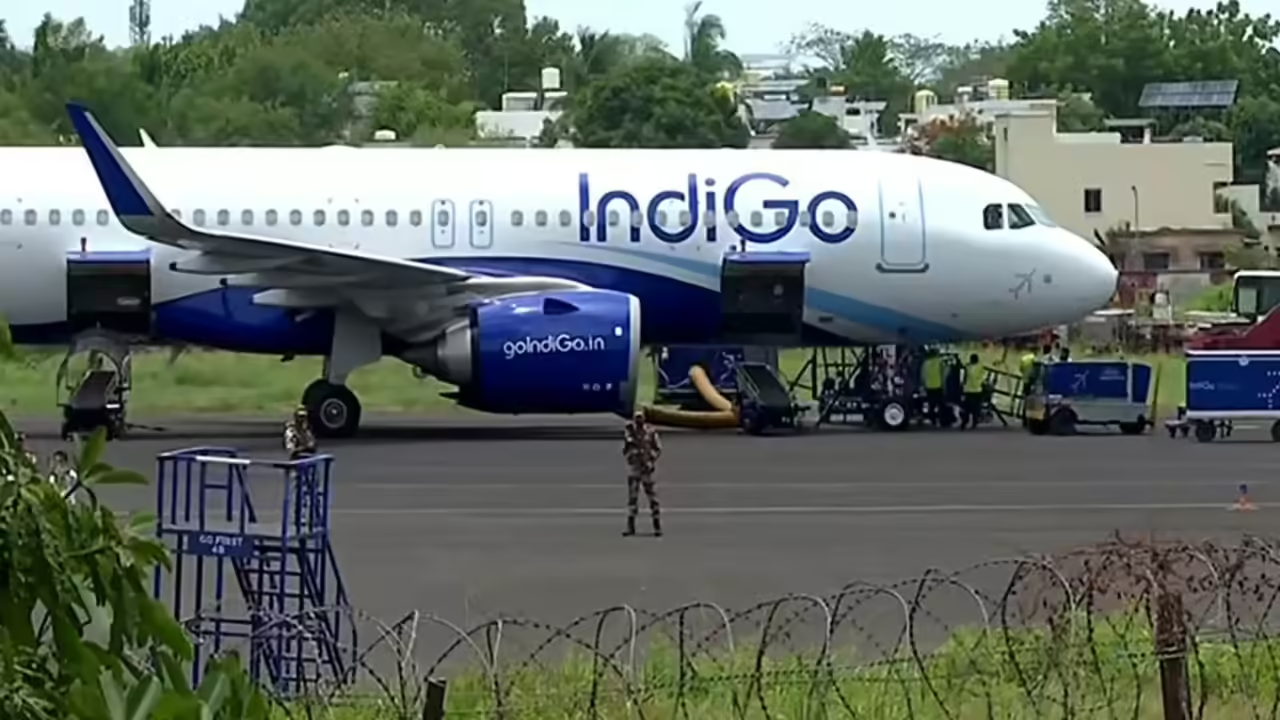
A bird strike has caused damage to the nose section of an IndiGo aircraft at Jolly Grant Airport near Rishikesh, forcing a runway inspection immediately. All 186 passengers on board are reported safe.
Incident overview: bird collision on landing
The incident occurred around 6:45 pm when IndiGo flight IGO 5032 landed from Mumbai and struck a bird while rolling out on the runway at Jolly Grant Airport. The collision impacted the aircraft’s nose cone, prompting airport authorities to halt operations temporarily and conduct a full safety audit of the runway and aircraft. No injuries were reported among the passengers or crew. The airline and airport management have initiated investigations to assess the extent of damage and ensure no further safety compromise.
Immediate response and safety protocols
Following the bird strike, the crew reported the impact and the aircraft was moved to a secure bay for inspection. Ground staff and airport safety teams swept the runway and adjoining areas to detect any bird hazards or debris that could pose further risk. IndiGo has activated its bird-strike protocol, including detailed structural inspection of the aircraft’s nose cone, radar dome, and forward fuselage. The airport management also reviewed wildlife control measures, given the proximity of the airfield to forested terrain and known bird activity zones.
Implications for flight safety and airport operations
Bird strikes represent one of the most persistent hazards in aviation, especially during take-off and landing when aircraft operate at lower altitudes and bird activity is higher. The damage to the nose cone may affect radar or weather-detection equipment and requires immediate clearance before the aircraft returns to service. For Jolly Grant Airport, this incident highlights the operational challenge of managing bird populations near runway corridors, especially in Himalayan foothill terrain. Airlines and airports must coordinate wildlife hazard management, detection systems, and timely runway inspections to keep risks within acceptable levels.
Broader context and risk mitigation strategies
IndiGo’s incident follows a pattern of bird strike events across Indian airports. Even though no injuries occurred, aircraft damage and unscheduled checks cause cost, delay and reputational impact. Mitigation measures include habitat modification around airports, active bird-scare systems, radar-based bird detection, and pilot awareness of wildlife risk periods (dawn/dusk, certain seasons). Jolly Grant and other hill-region airports face added challenges from migratory and resident birds, making continuous monitoring essential. Airlines also rely on post-strike inspections to ensure that hidden damage (to sensors, engine inlets or structural elements) does not compromise safety.
Next steps and expected follow-up
IndiGo will likely ground the affected aircraft until major inspections are completed and the nose cone and radar dome cleared for service. The airport will review its wildlife hazard management plan and may schedule additional runway patrols or radar surveillance. For passengers, airline operations could see minor delays or aircraft substitutions as part of routine disruption management. The Directorate General of Civil Aviation and airport authorities may update the incident in the aviation safety database, and if necessary issue recommendations for improved bird-strike prevention. The prompt response and zero-injury outcome are positive, but the event serves as a reminder of the ongoing need for vigilance in airport wildlife control.
Takeaways:
- IndiGo flight IGO 5032 was struck by a bird on landing at Jolly Grant Airport near Rishikesh; all 186 passengers safe.
- The aircraft sustained nose-cone damage and has been pulled for inspection, delaying normal operations.
- Bird strikes remain a significant hazard in aviation, especially at airports near natural habitats and at low altitude phases.
- Effective mitigation requires coordinated wildlife-hazard management at airports, continuous monitoring and pilot awareness of risk windows.
FAQs:
Q1: Did anyone get hurt in the bird strike?
No. All 186 passengers and crew on board the flight have been confirmed safe.
Q2: What damage did the aircraft suffer?
The aircraft’s nose cone was hit by a bird during landing. The impact may affect radar or forward-fuselage systems and requires inspection.
Q3: Will this incident cause flight disruptions at Jolly Grant Airport?
Potentially for this aircraft and maybe for scheduled flights due to the inspection and runway checks. But no widespread disruption has been announced yet.
Q4: How do airports prevent bird strikes?
Airports use habitat management, bird-scare systems, radar detection, runway patrols, coordinating with airlines and adapting operations during high-risk times.