






Now Reading: Blast at Srinagar’s Nowgam station kills six during explosive handling
-
01
Blast at Srinagar’s Nowgam station kills six during explosive handling
Blast at Srinagar’s Nowgam station kills six during explosive handling
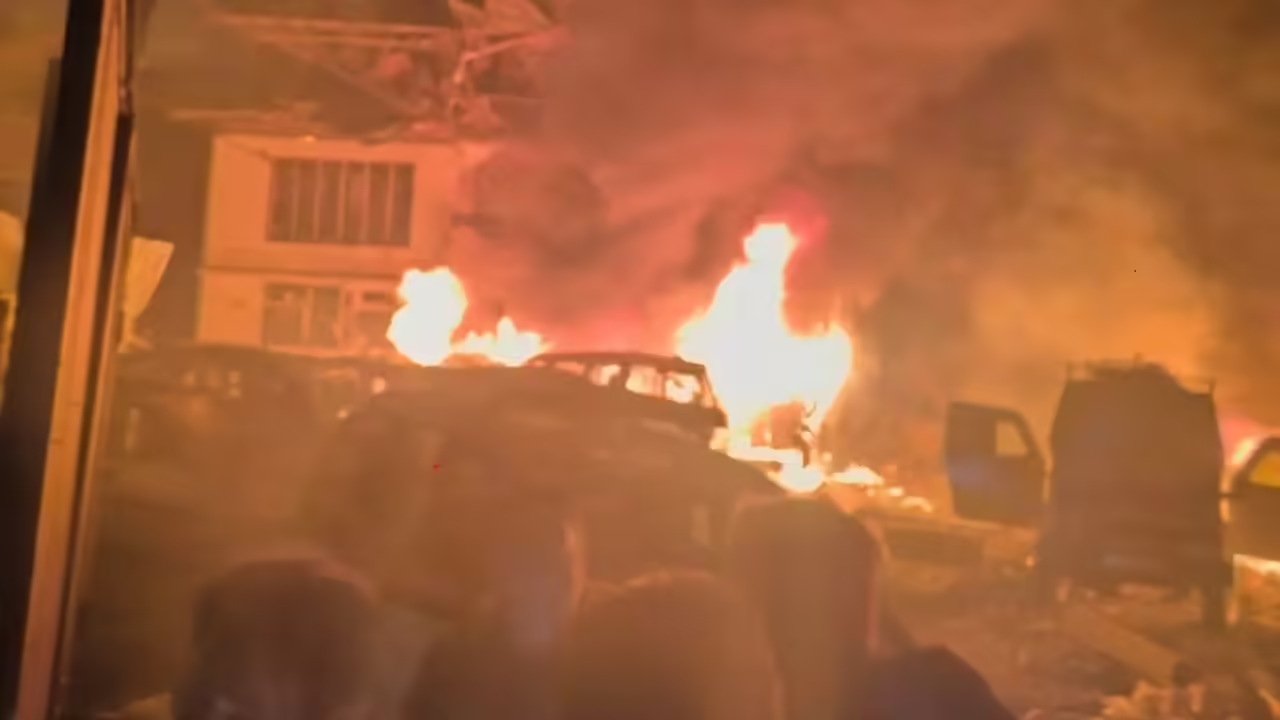
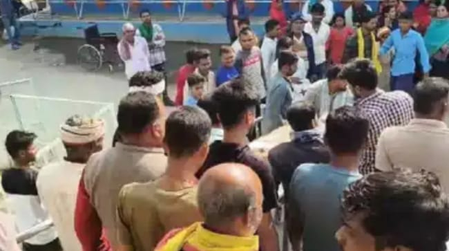
A powerful explosion at the Nowgam Police Station on the outskirts of Srinagar in Jammu & Kashmir claimed six lives and injured at least 27 people, mostly police and forensic officials. The blast occurred while seized explosives—transported from Faridabad—were being processed, leading to urgent questions about handling protocols and security oversight.
What happened in Srinagar? – Seized explosives detonate
Late on November 14, 2025 the Nowgam police station compound was rocked by a sudden explosion during a forensic examination of materials brought from Faridabad, Haryana. The explosives were part of a major cache linked to a terror-module investigation. Six individuals died and dozens were wounded as the blast triggered subsequent fires and damage to the station infrastructure.
Officials indicate the explosive material had been stored temporarily at the station for sampling and analysis. The handling of the materials—described as weighing hundreds of kilograms—appears to have breached standard operating procedures for explosive storage and processing, prompting a high-level investigation.
Link to larger terror module – From Faridabad to Kashmir
Investigations revealed the materials involved originated from a haul of explosives seized in Haryana. Authorities say the material was connected to a “white-collar” terror network that spans several states and involves medical professionals, academics and radicalised personnel. The Nowgam station case was central because it initiated the chain of arrests that followed the recent high-profile car blast in Delhi.
The explosion’s timing—during forensic sampling—underscores risk factors when storing large quantities of volatile material in local police facilities. The materials had been moved from Faridabad to Kashmir for processing, raising questions about secure transport and the choice of storage site.
Impact on security protocols – Handling of seized explosives under review
The incident has triggered immediate scrutiny of India’s internal protocols for managing seized explosives. Key questions now include how so much material came to be stored at a regional police station rather than a specialised bomb-disposal facility, whether personnel were properly trained, and if regulators enforced segregation, containment, and safe handling.
Regional police have begun a “technical audit” of all explosive-storage facilities in Kashmir. The blast has also heightened alert levels across security agencies in the Union Territory, with several districts reviewing their forensic labs and evidence-handling suites.
Cascading risks – Casualties and operational disruption
With six dead and 27 injured—including many from the forensic team—the human cost is significant. The blast disrupted police operations in the area: roads were sealed, forensic work paused, and fire tenders battled secondary fires. The station’s structural damage hampered investigations of the very terror module the materials were linked to.
This failure in system-safeguards may encourage adversaries to exploit similar vulnerabilities: storing explosives in less-secure, easier-to-attack locations. The authorities’ response will be critical in restoring confidence.
Takeaways
- The explosion at the Nowgam police station exposed major lapses in the handling and storage of seized explosives.
- The materials detonated were linked to a sophisticated terror-module investigation spanning multiple states.
- The incident has triggered a review of forensic and explosive-storage protocols within the Jammu & Kashmir police apparatus.
- Operationally, the blast disrupted investigations and raised fresh security concerns across the region.
FAQs
Q: Was the explosion at the Nowgam station a terror attack?
A: Authorities currently treat it as an accidental detonation during forensic handling of seized explosives—not a deliberate external attack.
Q: How many people were killed and injured in the blast?
A: At least six people died and about 27 were injured, most of them police and forensic personnel.
Q: What types of explosives were involved?
A: The materials were part of a large cache seized in Faridabad, including components like ammonium nitrate and other bomb-making reagents, now under review.
Q: What immediate actions are being taken by police and security agencies?
A: A technical audit of explosive-storage and forensic facilities is underway, access to the site is restricted, and transport/storage protocols are being reviewed for overhaul.