



Now Reading: Budgam and Nagrota Bypolls: Omar, BJP Exchange Barbs as Campaigning Closes
-
01
Budgam and Nagrota Bypolls: Omar, BJP Exchange Barbs as Campaigning Closes
Budgam and Nagrota Bypolls: Omar, BJP Exchange Barbs as Campaigning Closes
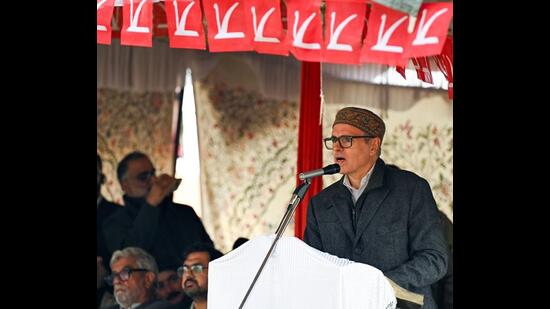
Introduction: As campaigning concluded for the Budgam and Nagrota bypolls, political tensions surged with Congress leader Omar Abdullah and the BJP trading sharp accusations. Both parties intensified outreach in Tier 1 and Tier 2 cities of Jammu and Kashmir, highlighting local issues, development concerns, and governance narratives. The final day underscored the high stakes for regional influence and voter sentiment ahead of the critical bypoll exercises.
Final Day Campaign Highlights
The last day of campaigning witnessed rallies, door-to-door outreach, and public meetings across Budgam and Nagrota. Omar Abdullah emphasised governance, restoration of normalcy, and addressing unemployment and development gaps, portraying Congress as the party for stability. The BJP countered with a focus on central government schemes, security initiatives, and infrastructural projects, arguing for continuity and strong administration.
Key Issues Driving Voter Sentiment
Voters in both constituencies face concerns around employment, public service delivery, and regional development. Budgam residents raised questions about basic amenities and local infrastructure, while Nagrota constituents emphasised law and order, road connectivity, and economic opportunities. Both parties tailored messaging to resonate with urban and semi-urban populations, acknowledging the influence of younger voters and middle-class families.
Political Rhetoric and Exchanges
The campaign’s final exchanges were marked by pointed rhetoric. Omar accused the BJP of political opportunism and neglecting grassroots issues, while the BJP highlighted Congress’s record in governance and questioned its credibility in addressing development challenges. This exchange reflects a broader trend in Indian politics, where national narratives intersect with regional concerns to shape voter choices.
Impact on Tier 1 and Tier 2 Urban Voters
Urban centres and small towns in Jammu and Kashmir are increasingly shaping electoral outcomes. Awareness of government schemes, access to social media, and engagement with local leaders play crucial roles in influencing voting behaviour. The bypoll campaigns aimed to mobilise these voters through rallies, online campaigns, and targeted messaging, ensuring that both parties remained visible in the public eye until the last hour.
Looking Ahead: Election Day Implications
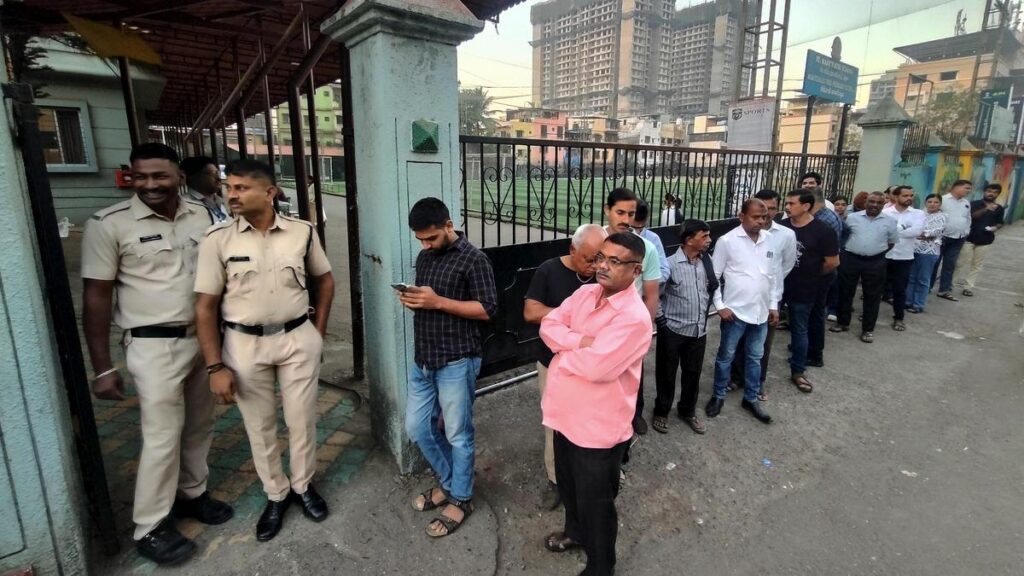
With campaigning concluded, attention now shifts to voter turnout and polling logistics. Analysts suggest that engagement in urban and semi-urban areas could be decisive. Both parties’ strategies reflect an understanding of localized concerns, but the real test will be translating campaign outreach into votes. Political observers are closely monitoring the impact of last-minute efforts and the resonance of final-day narratives with the electorate.
Conclusion: The Budgam and Nagrota bypolls highlight the competitive dynamics in Jammu and Kashmir, where regional and national politics intertwine. As Omar Abdullah and the BJP conclude campaigning, the focus is on voter mobilisation and turnout. For residents of Tier 1 and Tier 2 cities, the bypolls represent both a voice in regional governance and an indicator of broader political currents shaping the state’s future.