




Now Reading: Cold wave alert issued for Delhi, Telangana and UP as dense fog builds
-
01
Cold wave alert issued for Delhi, Telangana and UP as dense fog builds
Cold wave alert issued for Delhi, Telangana and UP as dense fog builds
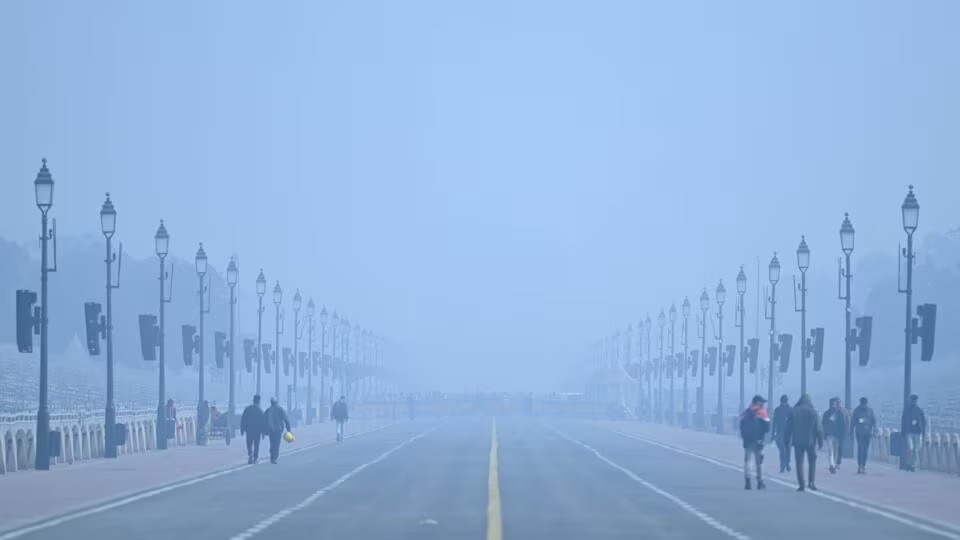
The India Meteorological Department has issued a cold wave alert for Delhi, Telangana and Uttar Pradesh as temperatures drop sharply across northern and central regions. The IMD warning highlights falling minimum temperatures, dense fog formation and disrupted visibility affecting transport and daily routines.
The cold wave alert comes at a time when northern states typically enter peak winter severity. This year, a stronger western disturbance and rapid night time cooling have intensified conditions earlier than expected. The IMD has also flagged dense fog risk in several districts, making early morning travel more challenging for commuters.
IMD cold wave alert and expected temperature trends
The IMD cold wave alert indicates that minimum temperatures in parts of Delhi, western Uttar Pradesh and pockets of Telangana may remain significantly below seasonal averages for the next few days. Delhi recorded a sharp dip in temperatures due to clear skies and increased radiative cooling at night. Cold winds sweeping in from the northwest continue to push temperatures down across the plains.
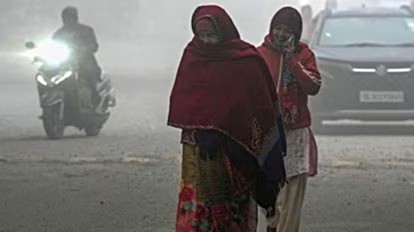
Several districts in western UP experienced drops of three to five degrees overnight. Telangana recorded colder than usual mornings in its northern and interior regions. The IMD has advised vulnerable groups, including the elderly and children, to avoid prolonged exposure to early morning chill. Health authorities typically see a rise in respiratory discomfort during strong cold spells.
Dense fog warning and secondary travel disruptions across states
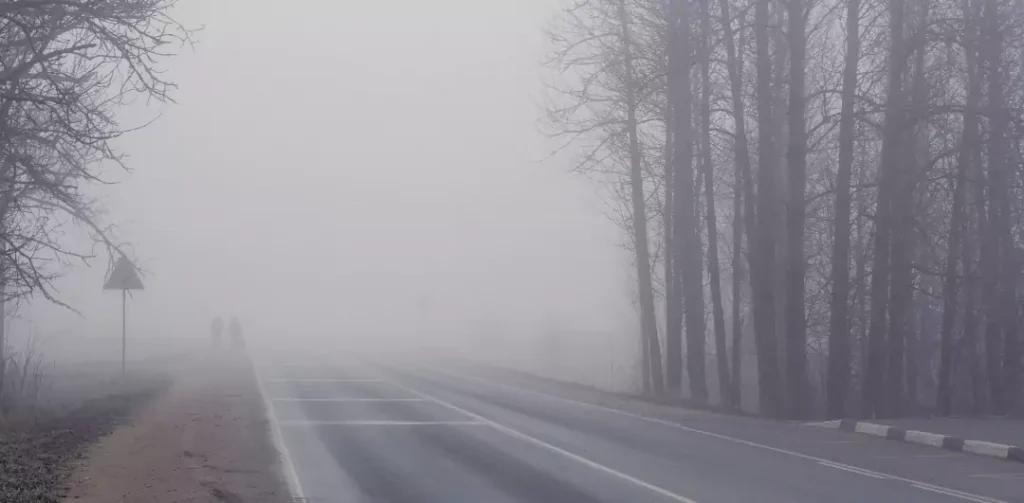
Dense fog warning information is a critical part of the IMD bulletin. Fog formation is expected in Delhi NCR, Uttar Pradesh, Punjab, Haryana and parts of Rajasthan. Fog reduces visibility sharply and disrupts both road and air transport. Early morning trains often run behind schedule during such conditions, and airports may experience temporary delays in landings and takeoffs.
In Delhi NCR, visibility during peak fog days can fall below 200 metres. Highway authorities have urged drivers to use fog lamps, reduce speed and maintain lane discipline. Bus operators are preparing for revised schedules to manage delays during the early hours. In Uttar Pradesh, fog conditions have historically led to multi vehicle pileups, prompting authorities to deploy additional highway patrol units.
Regional variations, local weather patterns and public impact
Weather patterns show strong regional variations during cold wave events. While the north and central regions experience severe cold, coastal states remain largely unaffected. In Telangana, cold wave conditions are more localised in northern districts where night time cooling is stronger. Hyderabad is expected to record lower temperatures but not severe cold wave levels.
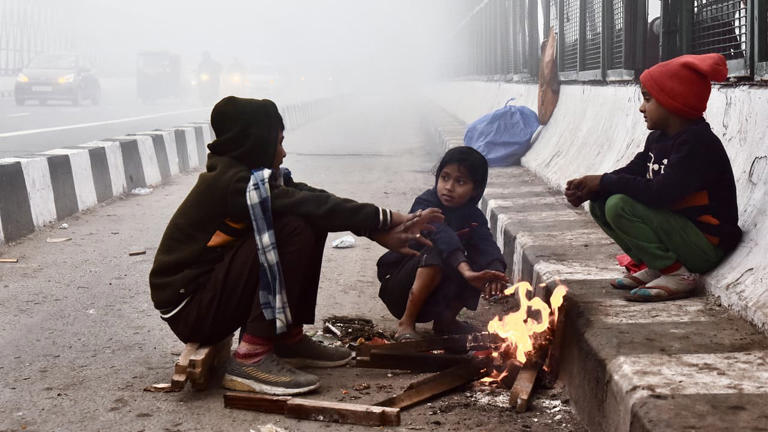
Daily routines across affected states are already adjusting to the colder mornings. Schools in parts of UP may modify timings if temperatures stay low over consecutive days. Outdoor workers, including construction labourers and agricultural workers, face higher discomfort during early hours. Public health departments typically increase advisories on staying warm, using protective clothing and avoiding sudden temperature exposure.
Forecast outlook and factors driving winter intensity this week
Forecast models indicate that the cold wave may persist for several days until a new western disturbance alters wind patterns. Secondary keywords like temperature anomaly and wind pattern influence the forecast trajectory. Clear skies during nights allow rapid heat loss, while dry northwesterly winds enhance the cooling effect. These combined factors create ideal conditions for strong cold wave episodes.
Fog intensity may peak during the next two to three mornings as moisture settles close to the surface. Once wind speeds increase slightly, visibility conditions may improve. The IMD will issue updated bulletins to reflect changes in temperature trends and fog formation. Residents in affected states are advised to monitor micro forecasts because localised fog varies sharply between districts.
Precautions and guidelines for residents during severe cold spells
Residents have been urged to adopt precautionary measures such as layering clothing, avoiding early morning outdoor activities and staying hydrated. Vehicles should be equipped with functional fog lamps and drivers must avoid speeding during low visibility. Schools, offices and local authorities are expected to issue advisories if conditions worsen.
Cold wave spells often increase electricity demand as households rely more on heaters. Power utilities in major cities have prepared for load variations during peak morning and evening hours. Urban shelters may see increased footfall from vulnerable populations seeking warmth. Health specialists caution that cold exposure can trigger respiratory issues, especially among those with pre existing conditions.
Takeaways
IMD has issued a cold wave alert for Delhi, Telangana and Uttar Pradesh
Dense fog warnings highlight significant risk for early morning travel
Temperature drops are driven by clear skies and northwesterly winds
Residents are advised to follow safety measures during severe cold spells
FAQs
Why has the IMD issued a cold wave alert
Temperatures have fallen significantly below normal due to clear skies, radiative cooling and cold winds from the northwest.
Which regions will see the most severe fog
Delhi NCR, western Uttar Pradesh, Punjab and Haryana are likely to see the densest fog and the lowest visibility.
How long will the cold wave last
It may continue for a few days until shifting wind patterns or a new western disturbance changes conditions.
What precautions should residents take
Layering clothing, avoiding early morning travel, using fog lamps and monitoring local weather updates are recommended.