





Now Reading: Cold Wave Grips North India, Schools Issue Advisory
-
01
Cold Wave Grips North India, Schools Issue Advisory
Cold Wave Grips North India, Schools Issue Advisory
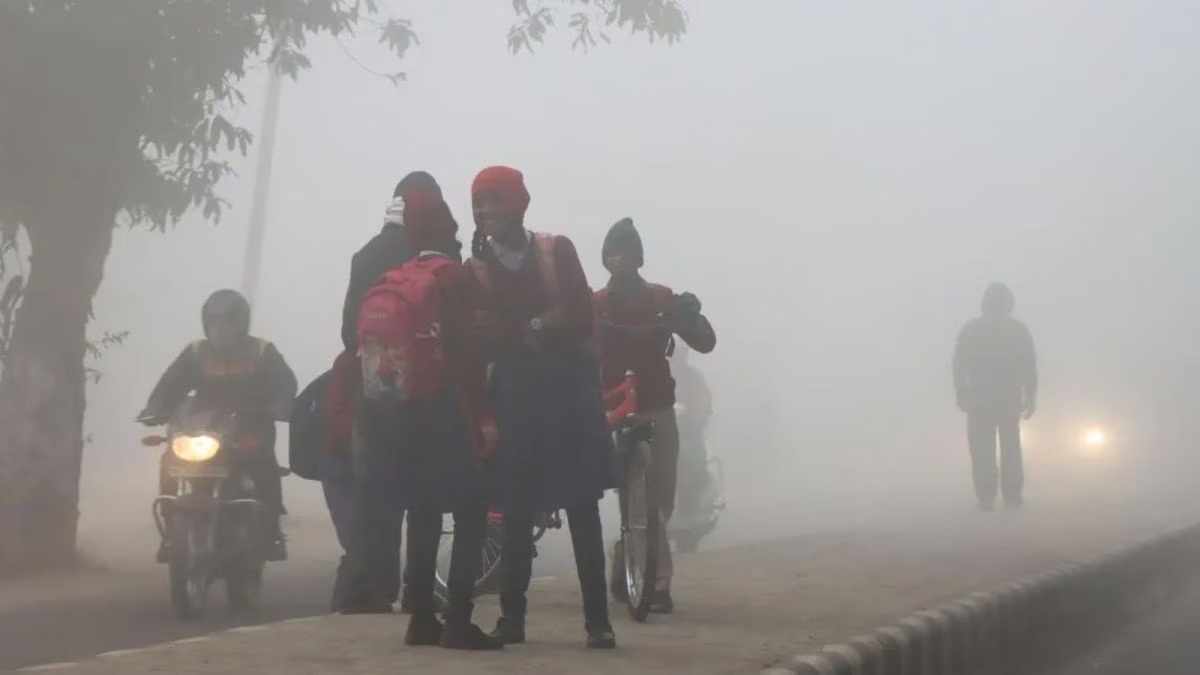
Cold wave conditions have gripped North India, prompting schools to issue advisories as temperatures fall sharply across several states. The sudden drop has raised concerns over student safety, health risks, and disruptions to daily routines in affected regions.
Cold wave grips North India as minimum temperatures in many areas dip below seasonal averages, affecting normal life and forcing authorities to take precautionary measures. Schools across multiple states have responded with advisories aimed at protecting students from exposure to extreme cold during early morning hours.
What Defines A Cold Wave In North India
A cold wave is declared when minimum temperatures fall significantly below normal or drop below specific thresholds depending on regional climatology. In North India, plains experience cold wave conditions when minimum temperatures fall to 4 degrees Celsius or lower, or when departures from normal exceed critical limits.
These conditions are often intensified by clear night skies, low wind speeds, and cold air advection from northern latitudes. The current spell reflects a combination of these factors, leading to prolonged cold nights and chilly mornings across the region.
Regions Most Affected By The Cold Spell
Northern states including Punjab, Haryana, Uttar Pradesh, Rajasthan, Delhi, and parts of Himachal Pradesh are among the most affected. Several cities have recorded temperatures well below average, with rural and open areas experiencing sharper drops due to lower heat retention.
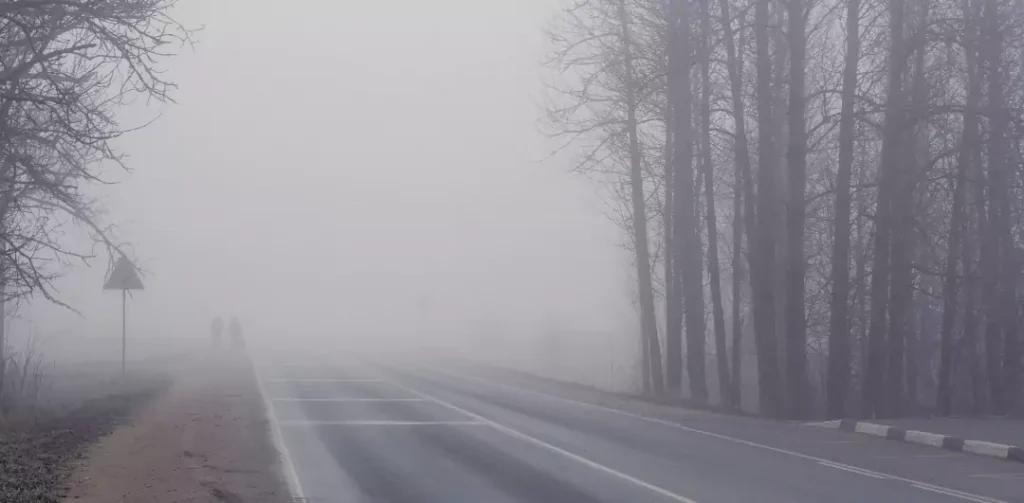
Fog and frost have also been reported in some pockets, further compounding cold stress. Visibility issues have affected transport, while agricultural activities have had to adjust to the prevailing weather conditions.
School Advisories And Precautionary Measures
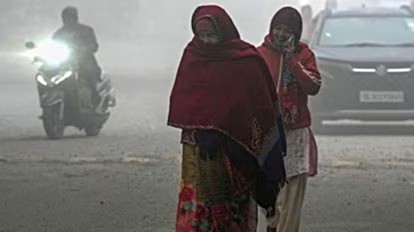
As cold wave conditions persist, schools have issued advisories focusing on student safety. These include instructions for wearing adequate warm clothing, flexibility in uniform norms, and caution during early morning commutes.
Some schools have adjusted assembly timings or shortened outdoor activities to reduce cold exposure. Authorities have advised parents to monitor children for symptoms of cold related illnesses and ensure proper nutrition and hydration during the winter spell.
Health Risks Associated With Prolonged Cold
Extended exposure to low temperatures can increase the risk of respiratory infections, hypothermia, and aggravated chronic conditions. Children and the elderly are particularly vulnerable due to weaker immune responses and difficulty regulating body temperature.
Health departments often coordinate with weather advisories to issue public guidance during cold waves. Simple measures such as layered clothing, avoiding prolonged outdoor exposure, and maintaining indoor warmth can significantly reduce health risks.
Impact On Daily Life And Transportation
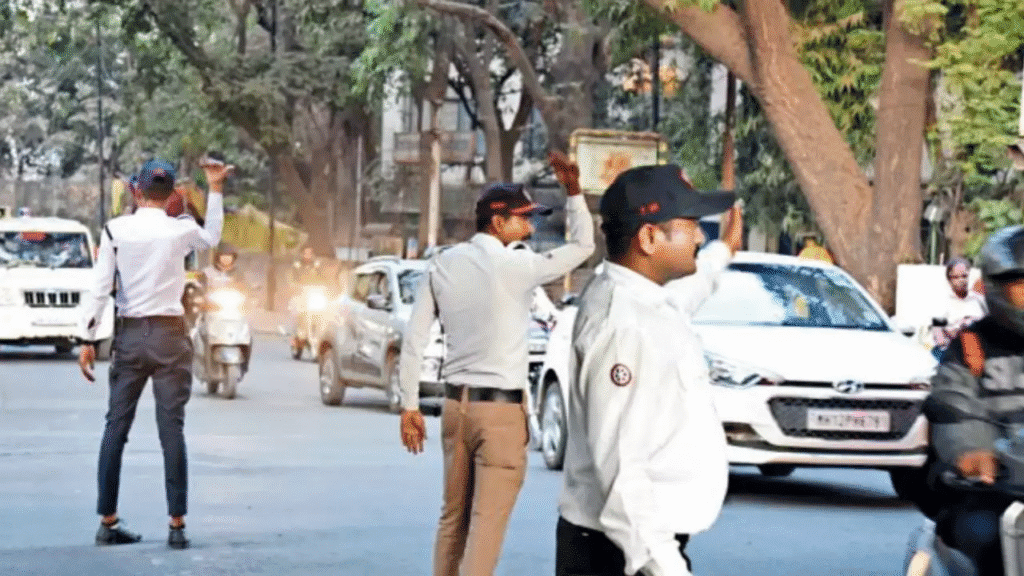
The cold wave has affected daily routines across North India. Early morning travel has become challenging, especially for students and workers. Foggy conditions in some areas have led to delays in road, rail, and air travel.
Agricultural operations, particularly in regions with standing rabi crops, are being closely monitored. Frost conditions can damage crops such as vegetables and pulses, prompting farmers to take protective measures.
Administrative Response And Preparedness
Local administrations have activated winter response protocols in vulnerable areas. Night shelters for homeless populations are being monitored, and additional bedding arrangements are being made in some cities.
Schools issuing advisories form part of a broader precautionary approach aimed at minimising cold related incidents. Authorities remain on alert as weather conditions are expected to fluctuate in the coming days.
Weather Outlook For The Coming Days
Meteorological assessments suggest that cold wave conditions may persist intermittently, with slight moderation possible during daytime hours. However, night temperatures are expected to remain low in many areas.
Fresh western disturbances or changes in wind patterns could bring temporary relief or renewed cold spells. Residents are advised to stay informed through local weather updates and follow safety advisories.
Importance Of Timely Communication
Clear communication from schools and authorities plays a crucial role in managing the impact of cold waves. Early advisories allow families to make informed decisions regarding travel, clothing, and health precautions.
As climate variability increases, such weather extremes are becoming more frequent, highlighting the need for responsive systems that prioritise public safety.
Takeaways
- Cold wave conditions have intensified across several North Indian states.
- Schools have issued advisories to protect students from extreme cold.
- Health risks increase during prolonged cold exposure, especially for children.
- Authorities are monitoring conditions and urging precautionary measures.
FAQs
What temperatures qualify as a cold wave in North India?
Cold wave conditions are declared when minimum temperatures fall to around 4 degrees Celsius or significantly below normal.
Why are schools issuing advisories during cold waves?
Advisories help reduce health risks by guiding students on clothing, travel, and outdoor activities.
How long will the cold wave last?
Cold wave conditions may persist intermittently, depending on weather systems and wind patterns.
What precautions should families take?
Wearing warm layers, limiting early morning exposure, and staying informed through local updates are recommended.