





Now Reading: Cold Wave Tightens Grip Across North and Central India
-
01
Cold Wave Tightens Grip Across North and Central India
Cold Wave Tightens Grip Across North and Central India

Cold wave tightens grip across North and Central India as temperatures dip sharply across several states, disrupting daily life, travel, and agriculture. Weather conditions at the end of December have intensified winter stress, prompting alerts and precautionary measures in multiple regions.
Large parts of North and Central India are experiencing a pronounced cold wave as December draws to a close. Minimum temperatures have fallen well below seasonal averages in several cities, with night-time chills intensifying across plains and interior regions. The sudden drop has affected urban routines, rural livelihoods, and transport operations, making cold weather preparedness a priority for local administrations.
Temperature drop impacts major northern states
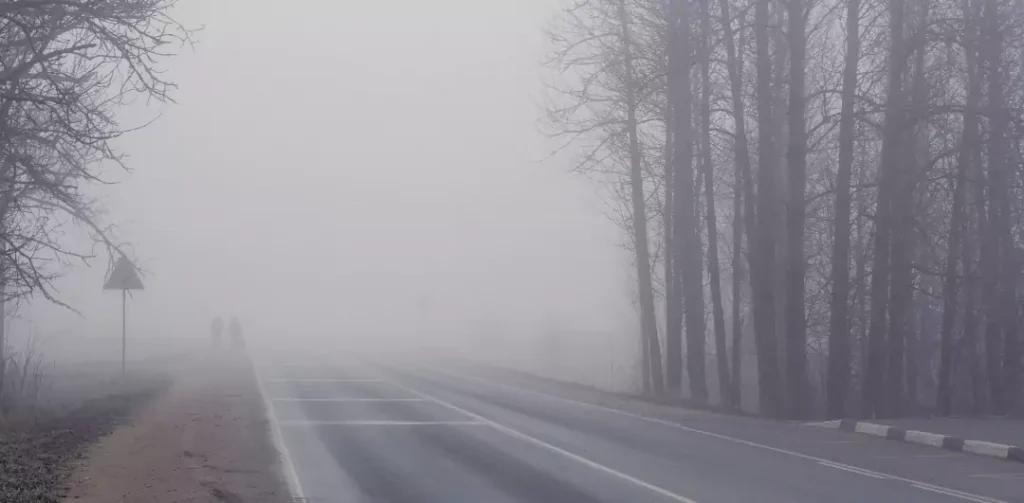
Northern states including Punjab, Haryana, Rajasthan, Uttar Pradesh, and parts of Delhi have recorded sharp declines in minimum temperatures over the past few days. In several districts, night temperatures have slipped close to freezing levels, especially in rural and low-lying areas. Dense fog during early morning hours has compounded the cold, reducing visibility on highways and delaying train services.
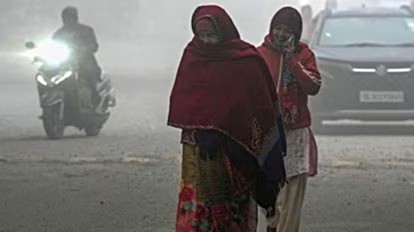
Urban centres are witnessing increased use of heating appliances and reduced outdoor activity during early mornings and late evenings. Homeless populations and daily wage workers are among the most affected, leading state authorities to activate night shelters and emergency support measures.
Central India also sees unusual winter intensity
Central India has not been spared from the cold wave. Madhya Pradesh, Chhattisgarh, and parts of Maharashtra’s interior regions have reported temperatures significantly lower than typical late December norms. Cities that usually experience mild winters are recording colder nights, surprising residents unaccustomed to prolonged chill.
Agricultural communities in these regions are closely monitoring crops sensitive to low temperatures. While winter chill can benefit certain rabi crops, sudden temperature drops increase the risk of frost damage, particularly for vegetables and horticulture produce.
Fog and cold disrupt transport and travel
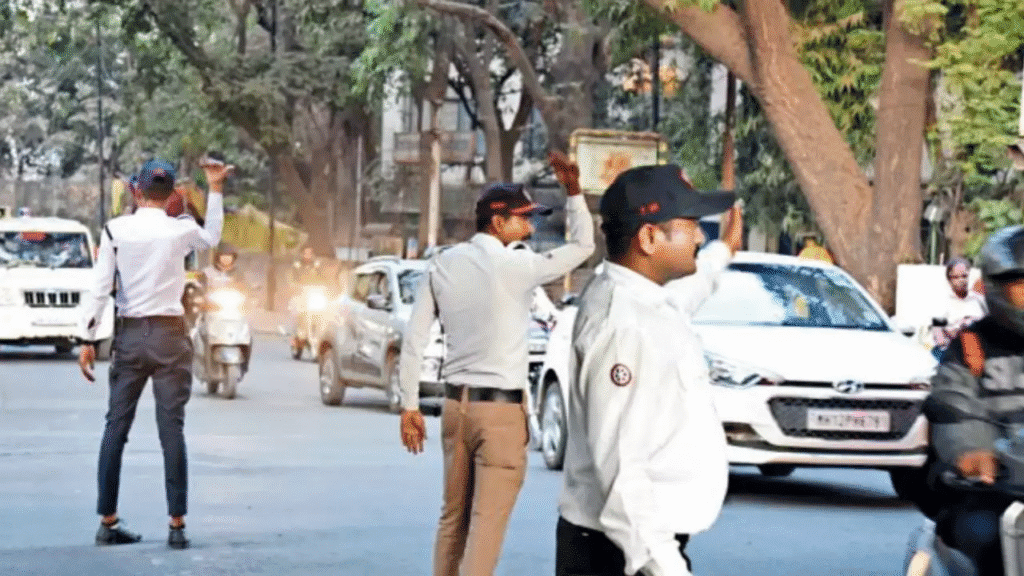
Dense fog accompanying the cold wave has caused widespread disruption in road, rail, and air travel across northern India. Reduced visibility during morning hours has led to slower traffic movement on national highways and increased accident risk. Several long-distance trains have reported delays, affecting passenger schedules during the holiday travel period.
Airports in fog-prone regions have implemented low-visibility procedures, resulting in flight delays and rescheduling. Transport authorities have urged travellers to check schedules in advance and avoid unnecessary early-morning journeys until visibility improves.
Health risks rise during prolonged cold spells
Health experts warn that extended cold wave conditions increase the risk of respiratory infections, hypothermia, and complications for elderly individuals and those with chronic illnesses. Cold air exposure, combined with poor indoor ventilation due to closed spaces, can aggravate respiratory conditions.
Hospitals in affected regions are reporting a seasonal rise in patients with cold-related ailments. Public health advisories emphasise layered clothing, adequate hydration, and limiting outdoor exposure during peak cold hours. Vaccination and timely medical consultation are also being encouraged to prevent complications.
Weather patterns behind the cold wave
Meteorological analysis indicates that the cold wave is driven by prevailing northwesterly winds and the absence of cloud cover, allowing night-time heat to escape rapidly. Snowfall in the western Himalayan region has further contributed to the flow of cold air into the plains.
Such weather patterns are not uncommon in late December, but the intensity and geographic spread of the current cold wave make it notable. Experts suggest that temperature fluctuations may continue in early January, depending on wind patterns and western disturbance activity.
Administrative response and precautionary measures
State governments and local bodies have stepped up responses to mitigate the impact of the cold wave. Temporary shelters, blanket distribution drives, and extended night shelter timings have been announced in several cities. Schools in some regions are reviewing winter schedules to protect young children from early-morning exposure.
Farm advisories have been issued to guide farmers on crop protection measures, including irrigation timing and frost prevention techniques. Authorities continue to monitor weather updates to adjust response measures as conditions evolve.
Takeaways
- Cold wave conditions have intensified across North and Central India
- Dense fog is disrupting travel and increasing safety risks
- Health concerns rise for vulnerable populations during prolonged cold
- State administrations have activated shelters and advisories
FAQs
What qualifies as a cold wave in India?
A cold wave is declared when minimum temperatures fall significantly below normal levels, depending on regional thresholds.
Which regions are most affected by the current cold wave?
Northern plains and central Indian states are experiencing the sharpest temperature drops.
How long is the cold wave expected to last?
Conditions may persist into early January, depending on wind patterns and weather systems.
What precautions should people take during a cold wave?
Wearing warm clothing, limiting outdoor exposure, and checking travel updates are recommended.