









Now Reading: Crypto-Exchange Hacks on the Rise: How Indian Investors Can Protect Their Assets
-
01
Crypto-Exchange Hacks on the Rise: How Indian Investors Can Protect Their Assets
Crypto-Exchange Hacks on the Rise: How Indian Investors Can Protect Their Assets
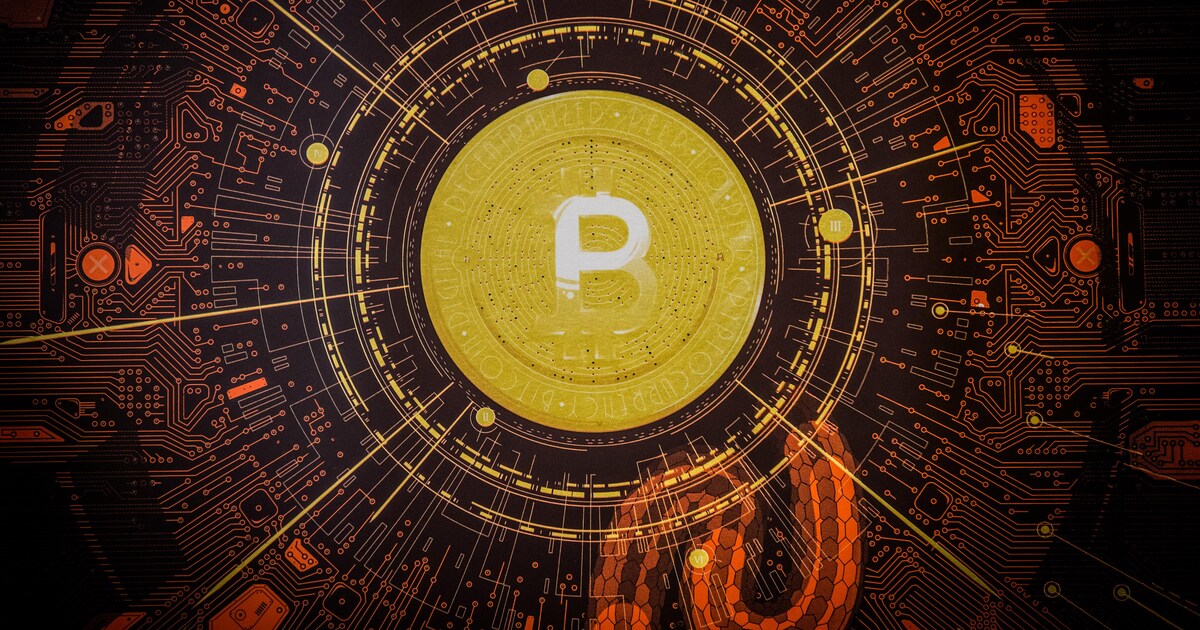
As global crypto-exchange hacks surge, Indian investors face growing concerns over the safety of their digital assets. While cryptocurrency continues to attract traders in tier‑1 and tier‑2 cities, the risk of cyberattacks underscores the need for robust security practices. Awareness, caution, and proactive measures are becoming essential for anyone investing in cryptocurrencies to safeguard funds and reduce vulnerability to digital threats.
The growing threat of hacks
Recent years have seen a sharp increase in cyberattacks targeting crypto exchanges worldwide. From phishing scams to sophisticated wallet breaches, hackers are exploiting vulnerabilities to steal digital assets. Indian investors, particularly those in major cities like Mumbai and Bengaluru as well as emerging hubs like Nagpur and Jaipur, must recognize that the decentralized nature of cryptocurrencies also means less recourse in the event of theft.
Why Indian investors are at risk
The popularity of crypto in India has surged, with more traders using mobile apps and online platforms for transactions. While this convenience encourages adoption, it also exposes users to potential attacks. Many exchanges operate in a regulatory gray zone, meaning investor protection measures may vary. Tier‑2 city investors, often newer to crypto, are particularly vulnerable if they rely on unverified platforms or lack awareness of security protocols.
Best practices for safeguarding assets
Investors can take several steps to reduce risks. Using exchanges with strong security certifications, enabling two-factor authentication, and keeping private keys offline are essential measures. Diversifying holdings across multiple platforms and using hardware wallets for significant investments adds an extra layer of protection. Staying alert to phishing attempts, suspicious links, and unsolicited messages is equally important to prevent unauthorized access.
Educating investors on security
Knowledge plays a crucial role in reducing vulnerability. Investors in tier‑1 cities often have access to online resources, webinars, and crypto communities for guidance. In tier‑2 cities, awareness campaigns and educational content from reputable exchanges help bridge the knowledge gap. Understanding the basics of wallet security, transaction verification, and the risks associated with hot wallets versus cold storage empowers users to make informed decisions.
Balancing convenience and safety
While easy-to-use platforms encourage trading and adoption, security should never be compromised for convenience. Investors must weigh the benefits of instant access against the potential risks. Responsible practices, regular account monitoring, and cautious engagement with new platforms ensure that digital assets remain secure even in a rapidly evolving market.
Conclusion:
The rise in global crypto-exchange hacks highlights the urgent need for Indian investors to prioritize security. In tier‑1 and tier‑2 cities alike, safeguarding digital assets requires vigilance, informed decision-making, and adherence to best practices. By combining awareness with practical measures, investors can enjoy the opportunities of cryptocurrency trading while minimizing exposure to cyber threats.