









Now Reading: Cyclone Ditwah brings fresh crop risks for farmers across south India
-
01
Cyclone Ditwah brings fresh crop risks for farmers across south India
Cyclone Ditwah brings fresh crop risks for farmers across south India
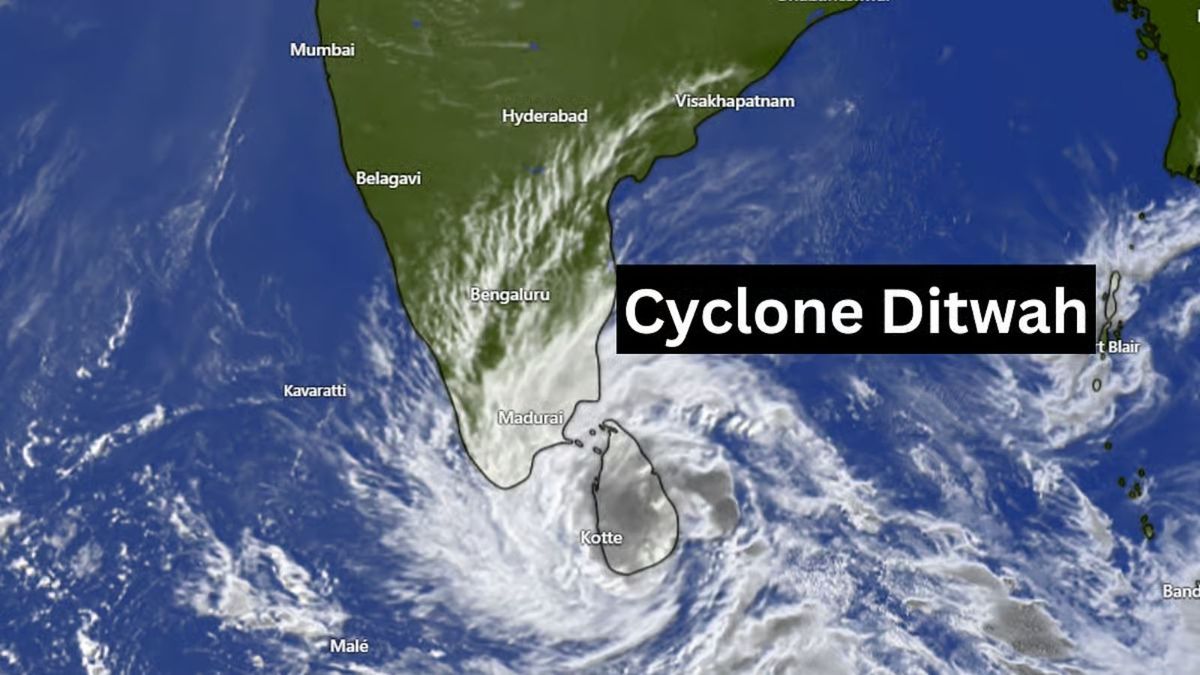
Cyclone Ditwah has intensified concerns for southern farmers as heavy rain, strong winds and flooding threaten standing crops across Tamil Nadu, Kerala and parts of Andhra Pradesh. The storm’s land interaction is creating multiple agricultural risks at a time when several key crops are either in harvest stage or nearing maturity.
Cyclone Ditwah’s impact on southern farmers is expected to be significant due to prolonged rainfall, waterlogging and potential wind damage to crops. Farmers across delta regions, coastal belts and midland agricultural zones are bracing for losses as the weather system strengthens. Early government advisories point to disruptions in harvesting schedules, post harvest handling and market supply chains.
Standing crops face immediate weather related damage
The first concern for farming communities is the vulnerability of standing crops to secondary keyword extreme rainfall. Paddy fields in Tamil Nadu’s Cauvery delta are at high risk as the crop is in active maturity stages. Even short duration waterlogging can cause lodging, where stems collapse under moisture load. Lodging significantly reduces grain quality and makes harvesting more labour intensive.
Coconut plantations along the Tamil Nadu and Kerala coasts face a different type of threat. High wind speeds shake palms vigorously, causing premature nut fall and long term yield reduction. Banana plantations in southern districts such as Tirunelveli, Thoothukudi and Kanyakumari are also highly susceptible, as even moderate winds can topple entire bunch laden plants. Farmers often try to support banana stems with bamboo props, but sustained winds from a cyclone reduce the effectiveness of such measures.
In Andhra Pradesh’s coastal belt, chilli and groundnut farmers face the risk of leaf shredding, root exposure and fruit drop. These crops are sensitive to prolonged moisture and may face fungal complications after the storm passes.
Flooding and drainage challenges in low lying agricultural regions
Continuous rain bands associated with Ditwah are creating secondary keyword flood risk conditions in multiple districts. Delta farmlands, particularly in Nagapattinam, Mayiladuthurai and Thanjavur, rely on balanced canal flow systems. When rainfall exceeds capacity, canals overflow and fields remain submerged for hours or days.
Flooding causes two immediate problems. First, crop rot sets in quickly if waterlogging persists. Second, soil structure deteriorates, delaying the next sowing cycle. For farmers preparing for rabi crops, prolonged flooding can push sowing windows beyond optimal levels, impacting season long productivity.
In Kerala, midland regions with sloping terrain experience topsoil erosion during heavy rains. The runoff carries away nutrients, leaving fields less fertile for subsequent planting. Rubber plantations in Idukki and Kottayam face latex yield loss when heavy rain disrupts tapping schedules and weakens tree bark.
Harvesting delays and post harvest complications
Cyclone Ditwah has already forced farmers to shift harvesting schedules. This secondary keyword harvest disruption affects paddy, sugarcane, banana, cotton and various horticultural crops. Delays expose crops to additional moisture, which harms both yield and market value.
For paddy, grains may not dry uniformly, increasing breakage during milling. Farmers often rely on open ground drying after harvest, but wet conditions make this impossible. Mechanical drying is an alternative but limited in rural pockets.
Perishable crops such as vegetables and flowers face steep quality decline if not harvested on time. Tamil Nadu’s flower farmers, particularly in Dindigul, Theni and Madurai, risk losing festive season revenue if blooms are damaged or transport routes become inaccessible.
Once harvested, transport challenges add further pressure. Waterlogged roads break supply chains, preventing produce from reaching mandis. This increases wastage and reduces income at a time when input costs remain elevated.
Livestock, fisheries and farm infrastructure at risk
Cyclone related rainfall and flooding also impact livestock sheds. Many rural structures lack elevation and proper roofing, exposing cattle and goats to damp conditions that can trigger disease. Farmers may have to relocate animals temporarily, adding logistical strain.
In the coastal fisheries sector, the secondary keyword marine impact of the cyclone has halted all fishing activity for days. Fisherfolk cannot venture into rough seas, affecting income flow for households dependent on daily marine catch. Fish farms and hatcheries near estuaries face the risk of salinity changes and overflow, which can kill fingerlings.
Farm infrastructure suffers too. Pump sets, electric motors, tools and stored fertilizers may get damaged if sheds flood. Boundary walls and irrigation channels weaken when soil absorbs excess water. Many farmers will need to invest in repairs once conditions stabilise, increasing post cyclone financial burden.
Government measures and possible relief pathways
State governments have begun deploying agriculture extension teams to assess field level damage. They are expected to initiate secondary keyword relief planning that includes compensation guidelines, seed support programs and interest waivers for affected farmers. Insurance companies will also begin loss verification under schemes such as PMFBY, although claim processing times vary by district.
Authorities are advising farmers to drain water from fields where possible, avoid harvesting during peak rainfall, secure livestock and store seeds in waterproof containers. Fisheries departments are coordinating safety protocols for coastal communities until the cyclone weakens.
Experts emphasise that long term resilience will require improved drainage systems, cyclone resistant crop planning, diversified income options and stronger rural infrastructure to withstand repeated extreme weather events.
Takeaways
Cyclone Ditwah poses high crop damage risks across Tamil Nadu, Kerala and Andhra Pradesh.
Paddy, banana, coconut, chilli and groundnut crops are among the most vulnerable.
Harvest delays, waterlogging and broken supply chains will affect farmer income.
Government teams are assessing damage and preparing relief and compensation measures.
FAQ
Which crops are most at risk during Cyclone Ditwah?
Paddy, banana, coconut, chilli, groundnut and several vegetables face the highest risk due to heavy rain, wind and flooding.
How does flooding affect agricultural land?
Waterlogging leads to crop rot, soil degradation and delays in the next sowing cycle, lowering productivity in subsequent seasons.
What should farmers do to reduce losses?
Drain fields quickly, protect livestock, postpone harvesting during heavy rain and store inputs securely while following official advisories.
Will farmers receive compensation?
State governments are conducting assessments and will announce compensation, insurance procedures and relief support based on verified damage.