





Now Reading: Delhi air quality plunges to hazardous levels ahead of winter
-
01
Delhi air quality plunges to hazardous levels ahead of winter
Delhi air quality plunges to hazardous levels ahead of winter
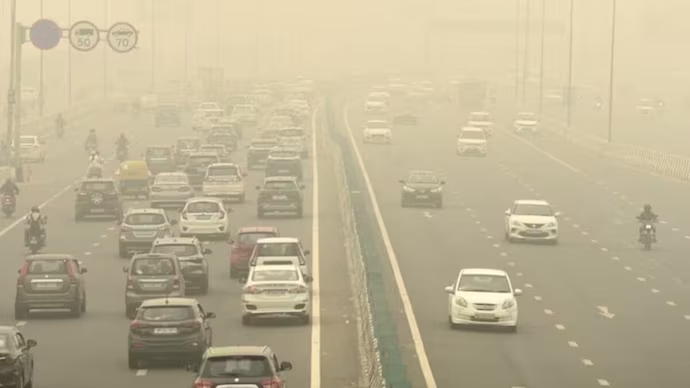
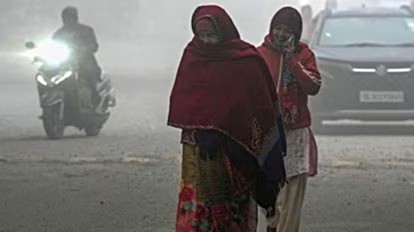
Air quality in Delhi has sharply deteriorated with the city registering an AQI in the severe/hazardous band, raising immediate health risks for residents as winter conditions set in.
What’s happening now in Delhi
The key keyword here is “Delhi air quality” – the latest data shows the city’s air has crossed into the severe zone, with AQI values above 400 and PM2.5 concentrations far exceeding safe limits. The situation is definitely news-reporting in tone, not evergreen: urgent and developing.
Weather and pollution factors combine
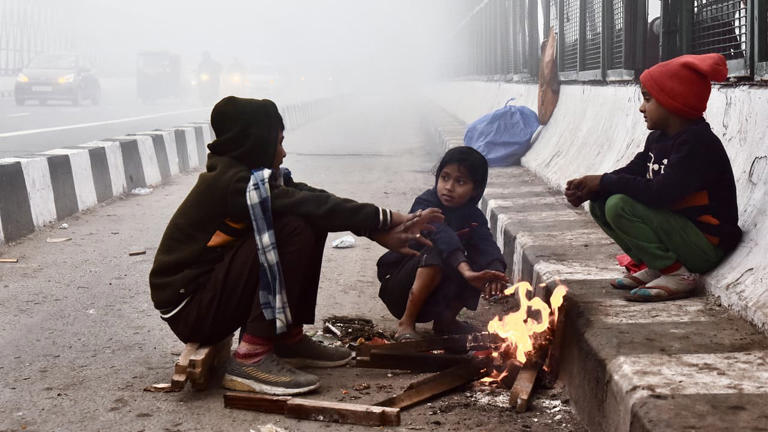
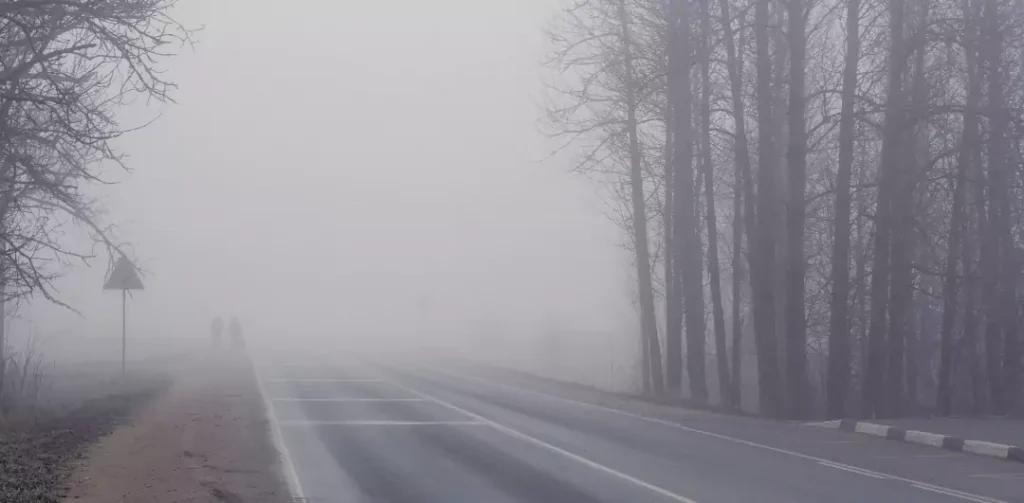
As winter approaches, cold air, low wind speeds and a shallow atmospheric layer are trapping pollutants close to the ground. On November 11, data showed an AQI of 428 in Delhi, marking the first severe day of the season.
Multiple sources of pollution
Several pollutants are contributing:
- Stubble or crop residue burning in neighbouring states (Punjab, Haryana) is sending smoke into Delhi. On Nov 12 the share was estimated around 22 % of PM2.5.
- Local vehicle emissions, construction dust, biomass burning for heating.
- Festival pollutants (firecrackers during Diwali) and landfill/waste-site dust boosting particulate matter.
Health and governance ramifications
At AQI levels above 400 (severe category), even healthy individuals face potential health effects; vulnerable people (children, elderly, those with respiratory or cardiac conditions) are at high risk. Protests have erupted at major locations (e.g., India Gate) with citizens demanding stronger government action.
What authorities are doing
The central regulator’s early‐warning system is coming under scrutiny for underestimating pollution levels. Locally in Delhi, the administration has directed installation of smog guns and water sprinklers at major landfill sites (such as at Bhalswa landfill) to control dust and waste smoke. Under the GRAP (Graded Response Action Plan) framework, measures such as restrictions on construction may be triggered when AQI crosses specified thresholds.
What this means for citizens
- Short-term: Residents should reduce outdoor activity, especially morning/evening hours; wear high-quality masks (KN95/FFP2); use air purifiers and keep indoor air filtered and doors/windows closed when possible.
- Medium‐term: Schools and parents face decisions: in neighbouring cities (e.g., Noida, Ghaziabad) hybrid learning has been adopted for younger students.
- Policy/bigger picture: Without systemic changes (crop-residue burning controls, vehicle emission enforcement, industrial/urban dust regulation), winter pollution may become worse each year.
Takeaways
- Air quality in Delhi has entered the ‘severe/hazardous’ category, with AQI readings above 400 and PM2.5 far above safe limits.
- Winter meteorology (cold air, stagnant winds) is amplifying pollution build-up, making conditions worse than in other seasons.
- Multiple pollution sources are active: crop residue burning, traffic and construction, festival firecrackers, waste-site emissions.
- Immediate health risks are strong and authorities are under pressure to trigger emergency measures and improve forecasting accuracy.
FAQ
Q1: What does an AQI of 400 + mean for health?
An AQI above 400 is classified as ‘severe’ which means even healthy individuals may experience health effects; vulnerable people are at significant risk of respiratory and cardiovascular issues.
Q2: Why does air quality worsen in Delhi during winter specifically?
Because cold air and calm winds trap pollutants near the ground (temperature inversion), and additional pollution sources (crop burning, biomass use for heating) kick in during this season.
Q3: What are the major pollution sources right now?
Major sources include crop residue burning from neighbouring states, vehicle and construction emissions within Delhi, firecracker emissions, and waste-site/landfill dust and smoke.
Q4: What can individuals do to protect themselves?
Limit outdoor exposure during high-AQI hours, use high-quality masks, keep indoor air clean, use purifiers if possible, and stay updated with air quality alerts and forecasts.