



Now Reading: Delhi Chokes Under Toxic Smog as AQI Crosses 700: What’s Behind the Capital’s Worst Air Crisis This Season
-
01
Delhi Chokes Under Toxic Smog as AQI Crosses 700: What’s Behind the Capital’s Worst Air Crisis This Season
Delhi Chokes Under Toxic Smog as AQI Crosses 700: What’s Behind the Capital’s Worst Air Crisis This Season

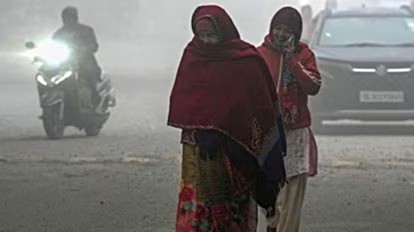
Delhi woke up to a thick blanket of smog this week as the city’s air quality index (AQI) plummeted to “severe plus” levels, crossing 700 in several parts of the capital. The toxic air has not only obscured visibility but also raised alarms among health experts and environmental authorities, marking one of the worst pollution spikes seen in recent years.
The sharp decline in air quality follows a familiar yet deeply concerning pattern for Delhi and its neighbouring regions every winter. As temperatures drop, wind speeds slow down, and pollutants get trapped closer to the surface, the city turns into a gas chamber. This year, the situation appears even more alarming, with dust, vehicular emissions, and stubble burning together creating a hazardous mix.
According to environmental experts, the major contributors to the current crisis include crop residue burning in Punjab and Haryana, which typically peaks in early November. The smoke from these fires drifts toward Delhi due to wind patterns, adding to the city’s already high pollution levels. Alongside, vehicular pollution, construction dust, and industrial emissions have compounded the problem, leaving Delhi’s air thick with toxic particles.
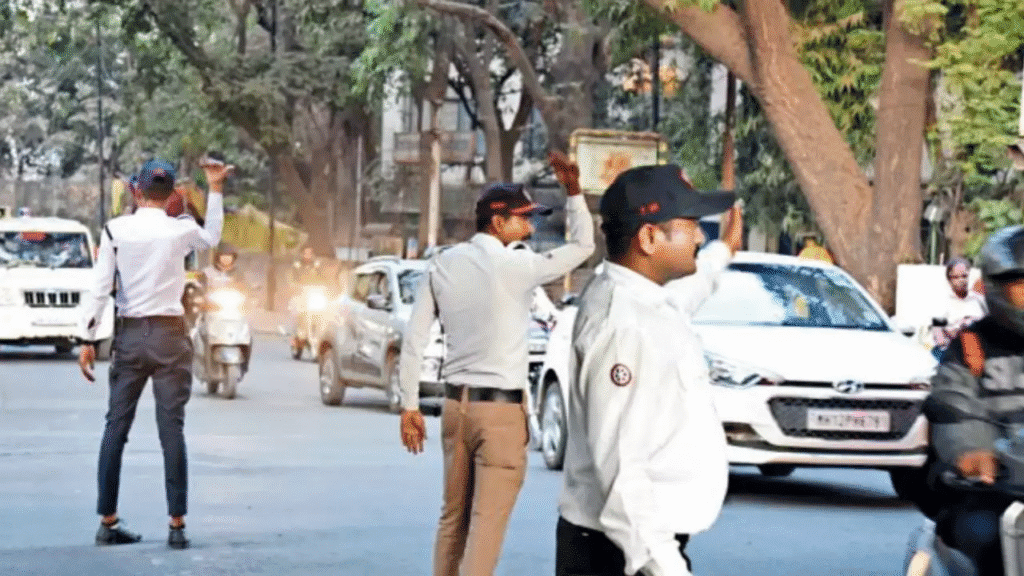
Health professionals are warning residents to take immediate precautions. Prolonged exposure to the current air quality can lead to respiratory distress, asthma attacks, and cardiovascular issues, even among healthy individuals. Schools in the capital have been directed to suspend outdoor activities, and several offices have reintroduced work-from-home arrangements to minimize exposure. Hospitals across the city have reported a noticeable rise in cases of breathing difficulty and eye irritation.
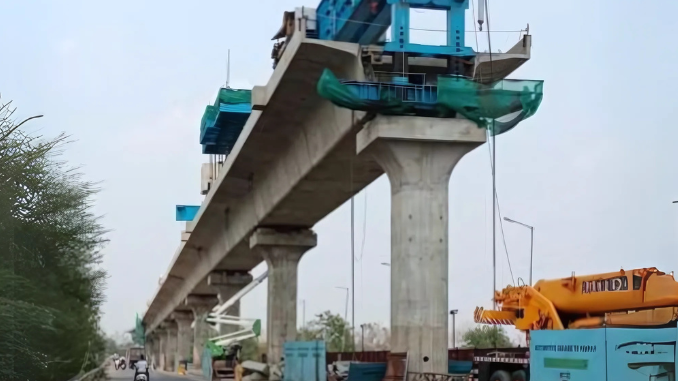
The Delhi government has reactivated emergency measures under the Graded Response Action Plan (GRAP), which includes halting construction work, restricting entry of heavy vehicles, and urging citizens to use public transport. However, despite these interventions, pollution levels continue to hover at dangerous highs, raising questions about the effectiveness of seasonal policies that fail to offer long-term relief.
Environmental activists have long argued that Delhi’s pollution problem cannot be solved through short-term bans or temporary restrictions. What’s needed is a coordinated, multi-state strategy that addresses the root causes—especially agricultural residue burning, unregulated industrial emissions, and urban congestion. Urban planners also emphasize the need for cleaner energy adoption and stricter enforcement of emission norms for vehicles and industries.
For the people of Delhi, however, the crisis is not just a seasonal inconvenience but a recurring public health emergency. Air purifiers, masks, and sealed windows have become part of daily life, yet the problem persists year after year. The city’s residents are increasingly expressing frustration, demanding that authorities move beyond reactive measures and focus on sustainable solutions that prioritize clean air as a basic right.
As the smog thickens and visibility continues to drop, Delhi’s struggle with air pollution stands as a stark reminder of the country’s broader environmental challenge. Until decisive and long-term action is taken across sectors and state borders, India’s capital will remain trapped in a vicious cycle—choking each winter under its own toxic skies.