








Now Reading: Delhi Government Changes Office Timings as Pollution Levels Rise: Here’s What Employees Need to Know
-
01
Delhi Government Changes Office Timings as Pollution Levels Rise: Here’s What Employees Need to Know
Delhi Government Changes Office Timings as Pollution Levels Rise: Here’s What Employees Need to Know
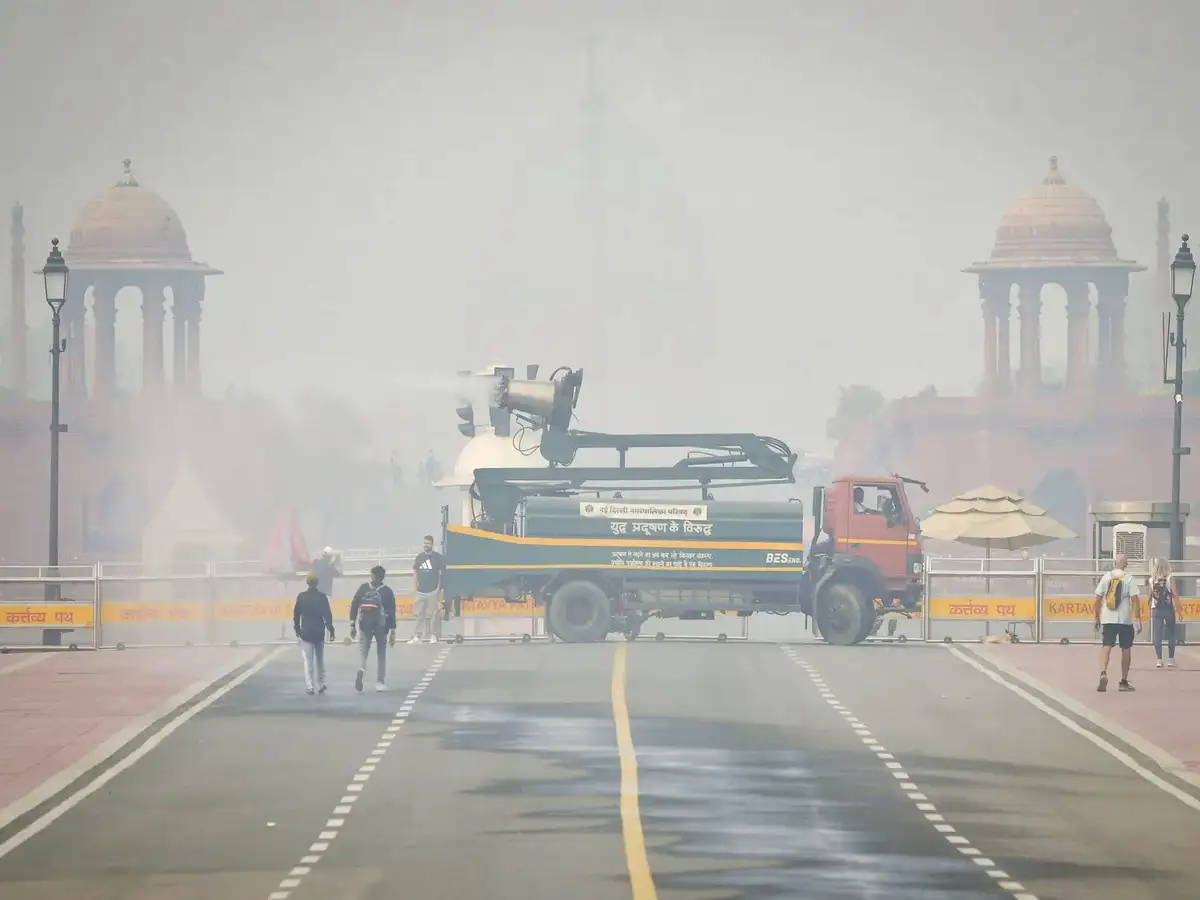
As Delhi continues to battle severe air pollution, the government has announced a temporary change in office timings for its departments and municipal bodies. The decision comes amid persistently high Air Quality Index (AQI) levels that have turned the city’s air hazardous for residents. The move aims to ease commuting pressure during peak hours and reduce the number of vehicles on the roads simultaneously.
The revised timings, applicable to Delhi government offices, the Municipal Corporation of Delhi (MCD), and other public departments, are expected to remain in place until the air quality improves. Officials say this adjustment is part of a broader response to mitigate the effects of toxic smog that has gripped the national capital and surrounding regions.
Revised Office Timings and Implementation
Under the new schedule, government offices and MCD departments will now operate from 9:30 am to 6:00 pm instead of the earlier 9:00 am to 5:30 pm routine. The shift is designed to stagger traffic movement, particularly during the morning rush when pollution levels tend to spike due to vehicular emissions and weather conditions.
A senior Delhi government official mentioned that flexible timing may also be introduced for specific departments depending on their operational needs. Essential services like healthcare, sanitation, and emergency response will continue to function normally without any changes to their schedules.
Rising Pollution and Health Concerns
Delhi’s AQI has remained in the “severe” category for several days, with particulate matter (PM2.5 and PM10) concentrations far above safe limits. This has prompted authorities to activate Stage IV of the Graded Response Action Plan (GRAP), which includes restrictions on construction activities, entry of trucks, and closure of schools.
Doctors have warned of a sharp increase in respiratory issues, eye irritation, and fatigue among office-goers. Many private companies have already shifted to hybrid work models, allowing employees to work from home on alternate days to reduce exposure.
Government Measures to Control Air Pollution
Apart from revising office hours, the Delhi government has implemented several emergency measures. The use of BS-III petrol and BS-IV diesel vehicles has been temporarily banned in the city. Construction and demolition activities, except for essential projects, remain suspended. Water sprinkling, smog guns, and anti-smog towers are being deployed in critical areas to control dust levels.
Authorities are also coordinating with neighboring states to manage stubble burning, one of the major seasonal contributors to Delhi’s worsening air quality. Meanwhile, traffic police have been instructed to ensure smooth flow of vehicles to minimize idling emissions.
Public Response and Commuter Challenges
While many residents have welcomed the government’s decision to change office hours, others feel it may have limited impact if similar measures are not adopted by private firms. Office workers from Tier 2 areas like Gurugram, Noida, and Ghaziabad, who commute daily to Delhi, continue to face long hours of exposure in traffic.
Some employees have requested extended work-from-home options until the air quality improves. Environmental experts also argue that short-term measures, though necessary, cannot replace long-term solutions like clean energy adoption, sustainable public transport, and stricter industrial controls.
Looking Ahead
Delhi’s recurring air pollution crisis has once again highlighted the urgent need for a permanent and coordinated strategy involving all stakeholders. Changing office hours may offer temporary relief, but experts say systemic changes in urban planning and emission control are essential to ensure cleaner air in the long run.