




Now Reading: Delhi NCR air quality drops to very poor levels as winter sets in
-
01
Delhi NCR air quality drops to very poor levels as winter sets in
Delhi NCR air quality drops to very poor levels as winter sets in

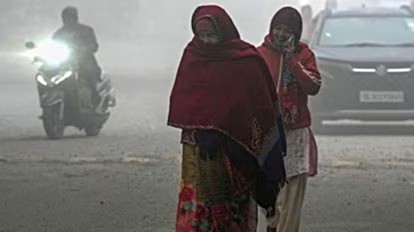
India’s air quality has entered the ‘very poor’ category in several parts of Delhi NCR, marking the seasonal rise in pollution levels that typically follow the onset of winter. The dense particulate concentration is attributed to stagnant wind flow, increased local emissions, and regional biomass burning activity. Authorities have issued health advisories, particularly for children, elderly individuals and those with respiratory conditions.
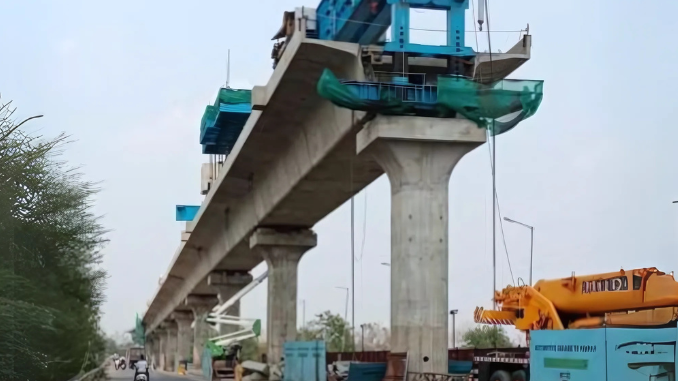
The air quality index (AQI) readings across multiple monitoring stations crossed the threshold into the 300+ range, prompting discussions over emergency response measures including restrictions on construction activity and vehicular limitations under graded response protocols.
Seasonal conditions and emission sources behind the pollution spike
Every year, Delhi NCR experiences a sharp deterioration in air quality between late October and January. Lower temperature layers trap pollutants closer to the ground, reducing dispersal. Wind speeds drop during nights and early mornings, preventing airborne particles from moving away from urban centers. This natural inversion effect becomes more pronounced as winter progresses.
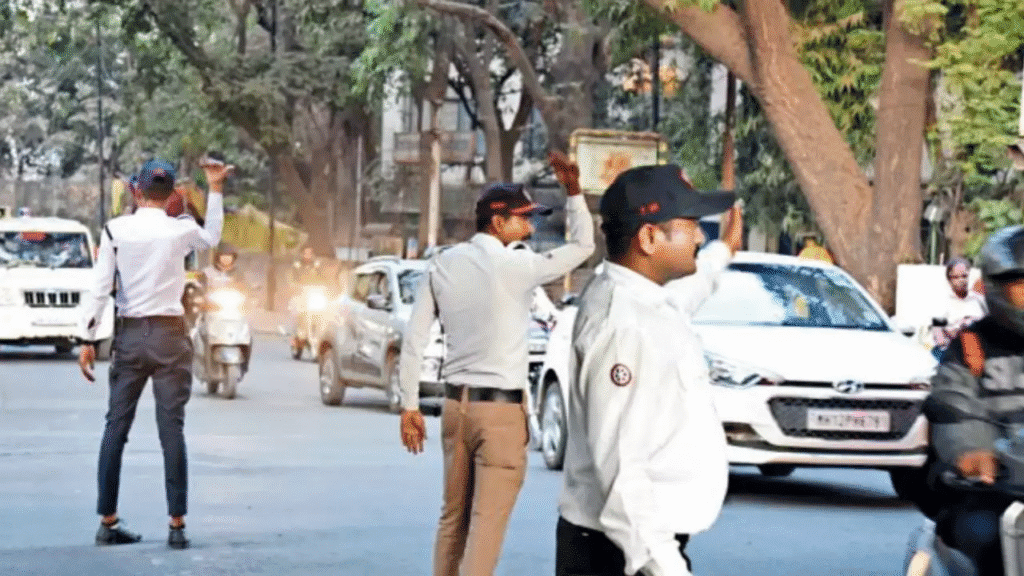
Local emissions from vehicular traffic, household heating through biomass or coal in informal settlements, and industrial output contribute consistently to particulate buildup. Evening traffic peaks during the festive travel period further increase exhaust emissions, especially on arterial roads in Delhi, Noida, Gurugram and Ghaziabad.
In surrounding regions, crop residue burning remains a contributing factor during specific weeks, though variations occur depending on rainfall and harvesting cycles. Satellite monitoring shows scattered biomass burning activity increasing during this season, adding to regional haze accumulation.
Health implications and public advisory guidelines
Medical practitioners have reported rising cases of cough, throat irritation, breathlessness and sinus congestion. For individuals with asthma, COPD or cardiac conditions, exposure to very poor AQI levels can trigger symptom flare-ups. Pediatricians caution that children are more vulnerable because their lungs are still developing and they inhale more air relative to body weight.
The health advisory encourages reducing outdoor exercise during morning and evening hours when particulate concentrations peak. N95 masks or equivalent filtration masks offer better protection compared to cloth or surgical masks. Schools may modify outdoor activity schedules, especially during days when AQI approaches or exceeds severe levels.
Indoor air quality also matters, and ventilation decisions must balance between airflow and preventing outside pollution entry. Using indoor air purifiers, sealing window gaps and placing indoor plants with high oxygen release potential may assist, although purification impact varies based on room size and filter quality.
Government response and regulatory measures
The Commission for Air Quality Management (CAQM) continues to monitor AQI progression and may escalate actions under the Graded Response Action Plan (GRAP) depending on readings. Measures under GRAP can include construction activity restrictions, regulation of diesel generator usage, increased mechanized road cleaning, and advisories for work-from-home arrangements in severe conditions.
Delhi government agencies have deployed anti-dust vehicles for road spraying and vacuum cleaning along high traffic corridors. Gurugram and Noida administrations have intensified pollution board inspections at construction sites and industrial clusters to ensure dust control compliance.
Public transport reinforcement, including more DTC and cluster bus services, is being considered to reduce private vehicle usage. However, travel behavior change is gradual and often influenced by last-mile connectivity availability.
Technology and long-term structural interventions
While seasonal emergency measures reduce immediate peaks, long-term solutions are linked to broader energy transition and urban planning. Shifting to electric public transport fleets, expanding metro connectivity, and incentivizing clean industrial fuels remain priority commitments.
Satellite-based stubble burning alerts are being integrated with enforcement systems, though sustainable solutions require multiple cropping models and financial incentives for farmers to adopt residue management technologies. Air pollution forecasting tools have improved in accuracy, allowing proactive mitigation planning.
Urban green cover and city-level heat management strategies are being incorporated into urban renewal plans. Tree cover helps particulate deposition but only when integrated with surface-level air circulation designs, which vary across neighborhoods.
Takeaways
• Delhi NCR air quality has reached very poor levels due to seasonal inversion and emission accumulation
• Vulnerable groups including children, elderly and respiratory patients are advised to limit outdoor exposure
• Authorities may escalate pollution control measures under the Graded Response Action Plan
• Long-term improvement requires coordinated structural measures beyond seasonal emergency responses
FAQ
What AQI range is considered very poor?
An AQI value between 301 and 400 is classified as very poor, indicating that prolonged exposure can cause respiratory discomfort and health impact.
Are masks effective during high pollution days?
N95 or equivalent filtration masks significantly reduce inhalation of fine particulate matter. Cloth and surgical masks do not provide adequate filtration.
Will schools remain open during very poor AQI conditions?
Schools usually remain open, but may suspend outdoor sports or morning assemblies. Closures occur only when AQI reaches severe levels for sustained periods.
What can individuals do to reduce personal exposure?
Limit outdoor activities during peak pollution hours, use air purifiers where possible, stay hydrated, and consult a doctor if persistent coughing or breathlessness develops.