




Now Reading: Delhi-NCR Air Quality Reaches ‘Severe’ as GRAP-3 Curbs Activated
-
01
Delhi-NCR Air Quality Reaches ‘Severe’ as GRAP-3 Curbs Activated
Delhi-NCR Air Quality Reaches ‘Severe’ as GRAP-3 Curbs Activated

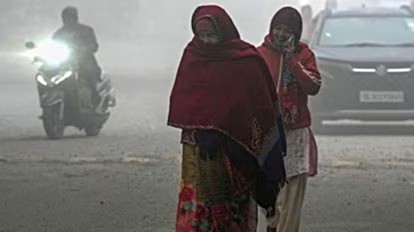
The air quality in the Delhi-NCR region has entered the “severe” category, triggering the implementation of Stage III of the Graded Response Action Plan (GRAP). The average Air Quality Index (AQI) rose above 400, prompting immediate curbs on construction, certain vehicles and schools.
Why the spike in pollution now
Within just a day, the AQI climbed from around 362 on Monday to 425 on Tuesday morning. The rapid rise is attributed to calm winds, stable atmospheric conditions trapping pollutants near the ground, and typical winter-season factors such as stubble burning and vehicle emissions.
What does GRAP-3 mean for Delhi and NCR?
Under Stage III (AQI 401-450) of GRAP:
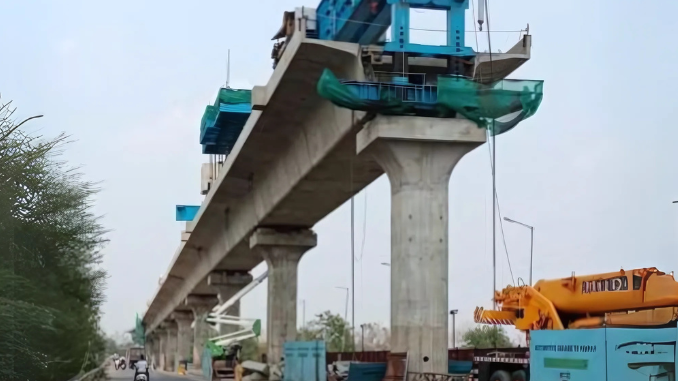
- All non-essential construction and demolition across Delhi and neighbouring districts is banned.
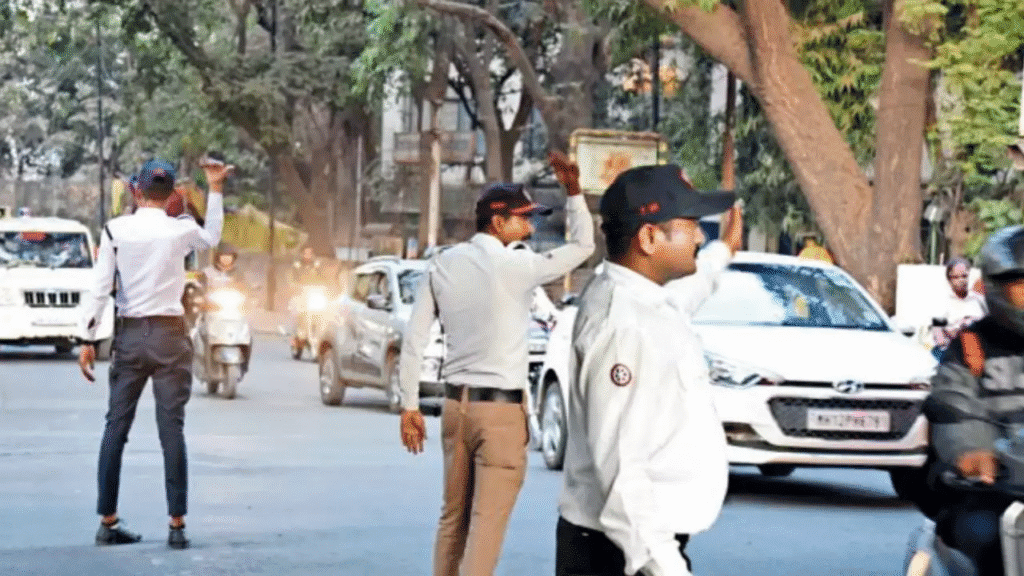
- BS-III petrol and BS-IV diesel four-wheelers are restricted in Delhi, Gurugram, Faridabad, Ghaziabad and Gautam Buddha Nagar.
- Schools up to Class 5 shift to hybrid mode (offline + online) to reduce children’s exposure.
- Increased mechanised road sweeping, restrictions on stone-crushers and mining, and advisories for work-from-home where possible.
Impact on residents and businesses
Residents are advised to limit outdoor activity, especially children, the elderly and those with respiratory issues. The sudden curbs mean construction companies will halt projects temporarily, vehicle-owner mobility will face disruptions and schools must adapt quickly. Large Indian corporations like Nestlé India are already enabling work-from-home options.
Longer-term drivers and context
Delhi’s annual pollution cycle worsens in winter months when cooler temperatures and stagnant winds prevent dispersion. Key contributors: vehicle emissions, construction dust, industrial activity and seasonal crop-residue burning in neighbouring states. The CAQM archive confirms regular invocation of GRAP stages at specific AQI thresholds.
What to watch next
- Whether the air quality continues to deteriorate into Stage IV (AQI 450+)
- Compliance by construction and vehicle sectors
- Improvement in visibility, PM2.5/PM10 levels and hospital admissions for respiratory complaints
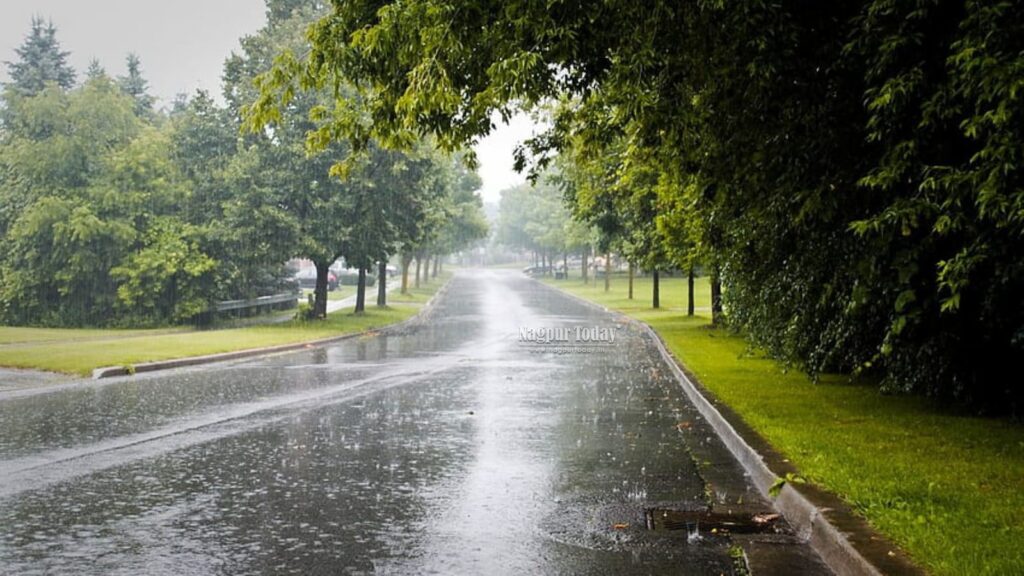
- Weather shifts (wind speed, rain) that may help clear pollutants
Takeaways
- Delhi-NCR’s AQI entered the “severe” range (above 400) for the first time this season, prompting Stage III GRAP curbs.
- Key restrictions: ban on non-essential construction, older petrol/diesel vehicles, and hybrid schooling for young children.
- Meteorological conditions plus vehicle & construction pollution triggered the spike in just 24 hours.
- The curbs will remain until sustained improvement is recorded — citizen behaviour and compliance will be critical.
FAQs
Q: What does “severe” AQI mean?
A: For Delhi-NCR under GRAP, “severe” corresponds to an AQI of 401-450, where the air quality poses health risks to the general population.
Q: When is GRAP Stage III triggered?
A: When data shows AQI consistently in the 401-450 range across monitoring stations and meteorological forecasts suggest continued stagnation of pollutants.
Q: Which vehicles are restricted under Stage III?
A: BS-III petrol and BS-IV diesel four-wheelers are banned in Delhi and neighbouring NCR districts. Also affected are older diesel goods vehicles and light-commercial vehicles not meeting BS-VI norms.
Q: How long will these curbs last?
A: Until air-quality improves and stays clear of the severe range. The authorities will review data daily and decide when GRAP Stage II or Stage I can resume.